
Whiplash treatment options after a crash depend on the type of injury, your symptoms, and the findings of an appropriate healthcare evaluation. If you are experiencing neck stiffness, headaches, shoulder discomfort, or difficulty turning your head after a car accident, understanding your options can help you decide what to do next.
For many people with uncomplicated whiplash, care may involve activity guidance, gentle exercises, and appropriate pain management. Selected patients may also be considered for supportive manual therapies. However, not every neck injury is suitable for chiropractic treatment, and some symptoms require urgent medical assessment.
At Northwest – Hinojosa Chiropractic, our East Portland clinic evaluates selected accident-related musculoskeletal concerns. We welcome patients from Portland, Gresham, and nearby communities who want to discuss their symptoms and learn about appropriate care options.
Neck Pain After a Car Accident? Call 503-512-7076 to Ask About an Evaluation.
Explore Our Whiplash Care Services
Whiplash Treatment Options After a Crash: The Quick Answer
Whiplash treatment generally focuses on evaluating the injury, managing symptoms, maintaining appropriate activity, and helping patients return to normal movement and daily activities.
Depending on the individual situation, treatment options may include:
- Medical evaluation to identify significant injuries.
- Advice about staying active and modifying daily activities.
- Gentle neck exercises and progressive rehabilitation.
- Appropriate pain-relief strategies.
- Selected manual therapy when clinically suitable.
- Supportive soft-tissue care in appropriate cases.
- Follow-up evaluation or specialist referral when needed.
The right approach depends on your clinical findings. A treatment plan should never be chosen solely because you were involved in a car accident.
Why a Proper Evaluation Matters Before Whiplash Treatment
Whiplash is associated with rapid movement of the head and neck, often during a rear-end or other vehicle collision.
Although neck pain and stiffness are common, similar symptoms can occur with other injuries. Some conditions require diagnostic testing, emergency treatment, or specialist assessment.
A healthcare professional may ask about:
- How and when the collision occurred.
- Whether you hit your head or lost consciousness.
- When your neck symptoms began.
- Headaches, dizziness, or visual changes.
- Numbness, weakness, or tingling.
- Previous injuries and relevant medical conditions.
- Any emergency or medical care already received.
The evaluation may include movement assessment and appropriate neurological or musculoskeletal screening.
Do All Whiplash Patients Need X-Rays or an MRI?
No. Imaging is not required for every patient with neck pain after a collision.
A healthcare professional should determine whether X-rays, CT imaging, MRI, or another evaluation is appropriate based on the injury history, symptoms, examination findings, and applicable clinical criteria.
Imaging should not be recommended automatically.
Can Whiplash Symptoms Appear Later?
Yes. Neck stiffness, pain, and headaches may develop hours after a collision.
The NHS guide to whiplash explains that symptoms may not begin immediately.
Delayed symptoms should be assessed in context. Seek appropriate medical advice if discomfort persists, worsens, or causes concern.
Comparing Whiplash Treatment Approaches After an Accident
Different treatments serve different purposes. Some are commonly recommended for uncomplicated whiplash, while others may be considered only for selected patients.
1. Staying Active and Adjusting Daily Activities
For many uncomplicated whiplash injuries, clinical guidance encourages patients to remain appropriately active.
This does not mean ignoring severe pain or forcing movements that feel unsafe. It means avoiding unnecessary prolonged inactivity when a clinician has determined that movement is appropriate.
Patients may receive advice about modifying activities such as:
- Working at a computer.
- Driving and checking blind spots.
- Sleeping and positioning the neck.
- Performing household tasks.
- Returning gradually to usual activities.
The NHS and SIRA whiplash guidelines support appropriate activity rather than prolonged neck immobilization for many uncomplicated cases.
2. Therapeutic Exercise and Gentle Neck Movement
Therapeutic exercise is an important option for selected patients recovering from whiplash-related movement limitations.
Depending on the evaluation, exercises may address:
- Gentle neck range of motion.
- Muscle control.
- Postural endurance.
- Gradual strengthening.
- Functional movement.
The exercises should be tailored to the patient and progressed appropriately.
The SIRA neck exercise resource explains that neck exercises should be performed with control rather than sudden or forceful movements.
At Northwest – Hinojosa Chiropractic, patients can learn more about our therapeutic exercise services.
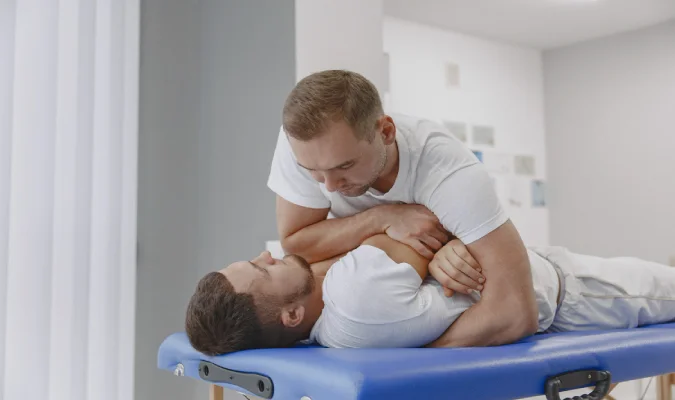
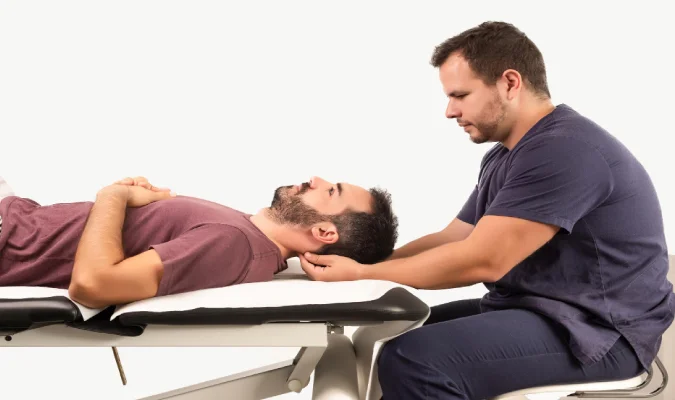
3. Chiropractic Care and Selected Manual Therapy
Patients sometimes ask whether chiropractic adjustments or other manual treatments are suitable after a whiplash injury.
The answer depends on the diagnosis, examination findings, and potential risks.
Some manual approaches may be considered as part of a broader care plan, but they should not replace appropriate evaluation, activity guidance, or exercises.
Importantly, high-velocity cervical manipulation is not a routine first-line treatment for acute whiplash. It requires careful assessment of trauma-related risks and contraindications. Clinical guidelines do not establish its effectiveness for acute whiplash.
A provider should explain the proposed technique, alternatives, potential benefits, and risks before treatment.
Learn about our chiropractic adjustment services.
4. Massage Therapy and Soft-Tissue Care
Some patients experience muscle tenderness or tension along with neck stiffness.
Massage therapy or selected soft-tissue techniques may be considered as supportive care when clinically appropriate.
However, evidence for massage as a primary treatment for acute whiplash is limited. It should not replace appropriate medical assessment or recommended active care.
Explore our massage therapy services for more information.
5. Medication and Medical Pain Management
Pain-relief medications may be considered by an appropriate medical professional, depending on symptoms and medical history.
Some people may be advised about over-the-counter medication, while others may require additional medical assessment.
Medication choices should account for allergies, other medications, underlying conditions, and potential side effects.
Ask your healthcare professional or pharmacist what is appropriate for your circumstances.
6. Specialist Referral When Necessary
Some patients need evaluation or treatment beyond routine conservative care.
Referral may be appropriate when symptoms suggest nerve involvement, significant trauma, an uncertain diagnosis, or a lack of expected improvement.
A responsible healthcare provider should explain when another professional is better suited to your needs.
Which Whiplash Care Option Is Best for Your Symptoms?
There is no universal treatment plan for every whiplash injury.
The most appropriate approach depends on several factors:
- The circumstances and severity of the collision.
- The type and intensity of symptoms.
- Examination and neurological findings.
- Relevant medical history.
- Functional limitations.
- Patient preferences.
- Response to previous treatment.
- The need for further testing or referral.
For example, one patient with uncomplicated stiffness may receive advice about activity and appropriate exercises. Another patient with weakness or neurological symptoms may need urgent medical assessment.
An individualized evaluation helps distinguish these situations.
Want to Discuss Your Neck Symptoms? Call 503-512-7076 to Ask About Appointment Availability.
How Long Does Recovery From Whiplash Take?
Recovery varies from person to person.
According to the NHS, whiplash often improves within two to three months, although some people experience symptoms for longer.
The time needed to return to usual activities can depend on the injury, initial symptoms, general health, and other individual factors.
No clinic can guarantee that a particular treatment or number of appointments will produce recovery by a specific date.
What If Your Neck Pain Is Not Improving?
Persistent or worsening symptoms deserve reassessment.
A healthcare professional may need to review the diagnosis, evaluate changes in function, reconsider the treatment plan, or recommend additional medical care.
The goal should be meaningful improvement in comfort and everyday function, rather than completing a predetermined number of visits.
When Should You Seek Emergency Care for Neck Symptoms?
Some symptoms after a motor vehicle collision require urgent medical attention rather than a routine chiropractic appointment.
Seek emergency care for serious warning signs such as:
- Loss of consciousness or significant confusion.
- Severe or worsening headache.
- New weakness or loss of sensation.
- Difficulty walking or maintaining balance.
- Severe neck pain following significant trauma.
- New loss of bladder or bowel control.
- Other symptoms suggesting a serious spinal or neurological injury.
If you develop concerning neurological changes, do not wait for a routine appointment.
Chiropractic treatment should never delay necessary emergency care.
Questions to Ask Before Starting Whiplash Treatment
When comparing whiplash treatment options after a crash, asking the right questions can help you make informed decisions.
Consider asking:
- What does my evaluation suggest about my injury?
- Are there signs that require imaging or medical referral?
- Which treatment options are appropriate for my symptoms?
- Would activity guidance or therapeutic exercise be beneficial?
- Are manual therapies suitable, and what risks should I understand?
- How will we evaluate my progress?
- What symptoms should prompt me to seek additional care?
- What happens if my symptoms do not improve?
A healthcare provider should explain recommendations clearly and allow you to ask questions before agreeing to treatment.
Considering Chiropractic Care for Whiplash in Portland?
If you are experiencing neck discomfort after a collision, you may want to speak with a nearby chiropractic team about whether an evaluation is appropriate.
Northwest – Hinojosa Chiropractic welcomes patients with selected accident-related musculoskeletal concerns at our East Portland clinic.
Individualized Evaluation
Our team discusses relevant symptoms, medical history, and examination findings before considering whether chiropractic care or additional medical assessment may be appropriate.
Available Conservative Care Services
Depending on the clinical findings, patients may learn about chiropractic services, therapeutic exercise, and other supportive options.
Not every patient will need the same care.
Convenient Access From East Portland and Gresham
Our clinic is located at 205 NE 181st Ave, Portland, OR 97230.
We welcome patients from Gresham and surrounding communities at this Portland location.
Weekday Office Hours and Phone Support
Our physical office is open Monday through Friday, 10:00 AM–7:00 PM, and closed on weekends.
Phone support is available 24 hours a day, seven days a week.
Call 503-512-7076 to Ask About a Whiplash Evaluation.
Explore Our Portland Whiplash Care Services
Frequently Asked Questions About Whiplash Treatment Options
What Are the Main Whiplash Treatment Options After a Crash?
Depending on the injury, care may include medical evaluation, appropriate activity guidance, therapeutic exercise, pain management, selected manual treatments, and referral when needed. Recommendations should reflect individual clinical findings.
Is Chiropractic Treatment Suitable for Every Whiplash Injury?
No. Chiropractic treatment is not suitable for every neck injury. A provider should assess the patient, consider contraindications, explain risks and alternatives, and recommend medical referral when appropriate.
Should I Rest My Neck Completely After a Car Accident?
For many uncomplicated whiplash injuries, clinical guidance favors appropriate movement and a gradual return to normal activities rather than prolonged immobilization. Follow individualized medical advice if a serious injury is suspected.
Can Therapeutic Exercise Help With Whiplash?
Appropriate neck exercises may support movement and function for selected patients. Exercises should be individualized according to symptoms, examination findings, and recovery progress.
Does Every Whiplash Patient Need an X-Ray?
No. Imaging decisions depend on the circumstances of the injury, clinical findings, and relevant medical criteria. Not every patient requires X-rays or other scans.
How Long Can Whiplash Symptoms Last?
Many people improve within two to three months, but recovery varies and some symptoms last longer. Persistent or worsening symptoms should be reassessed by a healthcare professional.
Can I Request a Whiplash Evaluation in Portland?
Yes. Northwest – Hinojosa Chiropractic evaluates selected accident-related musculoskeletal concerns at its East Portland clinic. Contact the team to ask about appointment availability.
Does Northwest – Hinojosa Chiropractic Serve Gresham?
Yes. The clinic welcomes patients from Gresham and nearby communities at its Portland location.
Ready to Explore Your Whiplash Care Options?
Understanding whiplash treatment options after a crash can help you ask informed questions and choose appropriate next steps.
If you are experiencing neck stiffness, discomfort, or movement limitations after a collision, Northwest – Hinojosa Chiropractic welcomes your questions about evaluations and available services.
Our team can explain the appointment process and help you request an evaluation when appropriate.
Northwest – Hinojosa Chiropractic
205 NE 181st Ave, Portland, OR 97230
Phone: 503-512-7076
Office hours: Monday–Friday, 10:00 AM–7:00 PM
Phone support: Available 24/7
Learn More About Our Whiplash Care Services
Appointment availability varies. This article provides general educational information and does not replace individualized medical advice or emergency evaluation.