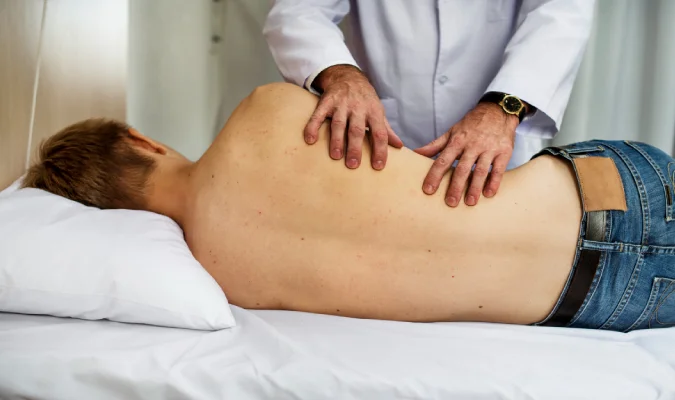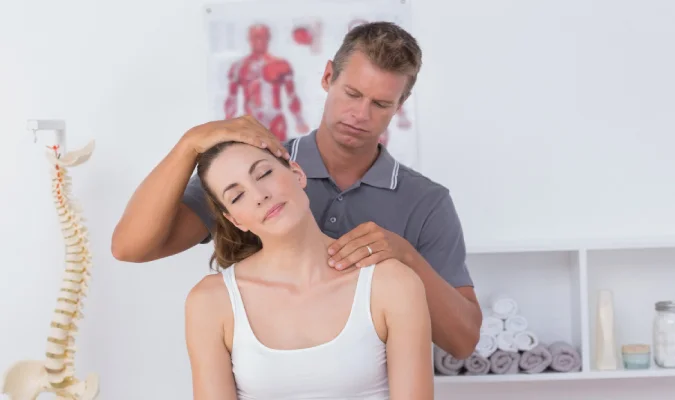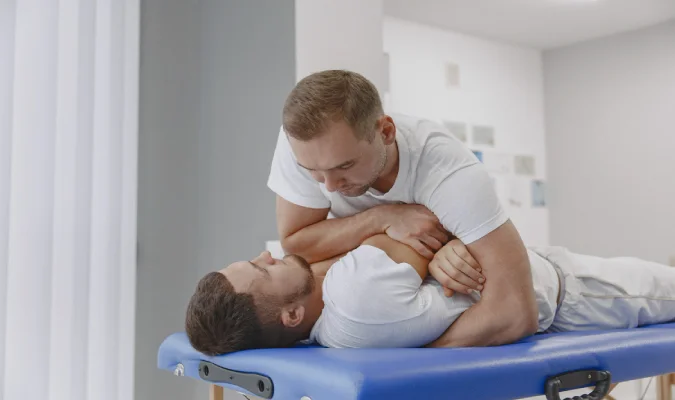

Preparing for a chiropractic evaluation after car accident symptoms can feel overwhelming when you are also managing vehicle repairs, insurance calls, and changes to your daily routine.
You might have emergency room paperwork, a claim number, photographs of the collision, or just a few notes on your phone. Knowing which documents matter can make the appointment easier and help you explain your concerns accurately.
A chiropractic evaluation after a car accident should focus on your health history, current symptoms, and whether chiropractic care is appropriate. Insurance and collision documents may be useful, but they do not replace a clinical examination.
This Oregon-focused guide will help you organize the information you already have, identify what may be missing, and prepare questions before your visit.
Chiropractic Evaluation After Car Accident: Your Essential Checklist
You do not need to arrive with a perfect collection of records. Start with the information most relevant to your health and the accident.
Personal and Medical Information
- Photo identification, if requested.
- Current medications and supplements.
- Relevant medical conditions or previous injuries.
- Description of your current symptoms.
- Approximate date and time each symptom began.
- Details of any emergency or urgent care visits.
- Questions you want to ask the clinician.
Accident and Insurance Information
- Date and approximate time of the collision.
- Brief description of what happened.
- Insurance company and policy information, if applicable.
- Claim number, if one has been assigned.
- Claims representative contact information, if available.
- Relevant collision report or reference number, if available.
Additional Records That May Be Helpful
- Emergency department discharge instructions.
- Previous medical evaluation summaries.
- X-ray, CT, or MRI reports.
- Prior treatment recommendations.
- Notes about activities affected by your symptoms.
Not every item is required for every appointment. Contact the clinic to confirm its registration and documentation requirements.
What Documents Matter Most After a Car Accident?
It helps to divide your paperwork into three categories: medical records, accident details, and insurance information.
| Document | Why It May Be Useful | Priority |
|---|---|---|
| Symptom timeline | Explains how your condition has changed | High |
| Medication list | Supports clinical decision-making | High |
| Medical discharge instructions | Shows previous recommendations | High, if applicable |
| Imaging reports | Provides relevant findings | If available |
| Accident date and description | Establishes the collision timeline | High |
| Insurance information | Helps with administrative questions | When applicable |
| Claim number | May assist with billing communication | If available |
| Police or DMV report | Documents aspects of the collision | If requested |
| Vehicle photographs | May provide background information | Usually optional |
Vehicle photographs and accident reports cannot establish the severity of an injury. Clinical decisions should be based on an appropriate evaluation.
Step 1: Prepare a Clear Description of the Accident
Before your appointment, write down what you remember about the collision.
You do not need to estimate vehicle speeds or determine how much force affected your body.
Details Worth Recording
Include:
- Whether you were the driver or a passenger.
- Whether your vehicle was struck from behind, from the side, or from another direction.
- Whether you were wearing a seat belt.
- Whether your head or body struck anything.
- Whether emergency services attended.
- Whether you received medical attention afterward.
Example of a Useful Accident Description
“I was driving and stopped at an intersection when another vehicle struck mine from behind. I was wearing my seat belt. I noticed stiffness later that evening and lower back discomfort the next morning.”
This gives the clinician a factual starting point without attempting to diagnose an injury.
Step 2: Create a Symptom Timeline for Your Chiropractic Evaluation After a Car Accident
One of the most valuable things you can bring is a short explanation of how your symptoms developed.
Pain or stiffness may begin immediately after a collision or become noticeable later. The timing is useful information, but it does not establish the cause or severity of an injury.
What Should Your Symptom Notes Include?
For each symptom, record:
- Where you feel it.
- When it first appeared.
- Whether it is constant or intermittent.
- Whether it is improving or worsening.
- Which activities affect it.
- Whether you have associated symptoms such as numbness, weakness, headaches, or dizziness.
Example Symptom Timeline
| When | What You Noticed | Effect on Activities |
|---|---|---|
| Accident day | No obvious back pain at the scene | Continued usual activities |
| Following morning | Lower back stiffness | Bending felt uncomfortable |
| Two days later | Discomfort while sitting | Needed more frequent breaks |
| Before evaluation | Symptoms continued | Wanted a clinical assessment |
This is an example of documentation, not a typical recovery pattern.
If your back discomfort appeared later, read our guide to delayed symptoms following a vehicle collision.
Step 3: Gather Medical Records From Previous Evaluations
If you visited an emergency department, urgent care clinic, or another healthcare professional, bring the records you received.
You do not need to interpret the medical terminology yourself.
Emergency Department Records
Helpful documents may include:
- Discharge summaries.
- Follow-up instructions.
- Medication recommendations.
- Activity restrictions.
- Referrals to other healthcare professionals.
If you cannot locate these documents, tell the chiropractor where and when you received care.
Imaging Reports
If you already had an X-ray, CT scan, or MRI, ask whether the clinic would like the written report, the images, or both.
Not every patient needs new imaging. Additional testing should be determined by clinical findings and medical necessity.
Previous Conditions and Injuries
Be prepared to discuss relevant medical history, including earlier back or neck problems, surgeries, neurological conditions, and current medications.
This information may affect whether certain examination procedures or treatments are appropriate.
Step 4: Organize Insurance Information Before Your Chiropractic Evaluation After a Car Accident
Insurance questions are common after a collision in Oregon.
Personal Injury Protection, often called PIP, is a component of standard Oregon automobile insurance policies. However, eligibility and payment depend on the applicable coverage and requirements.
What Insurance Details Should You Bring?
If available, prepare:
- Auto insurance company name.
- Policy number.
- Accident claim number.
- Adjuster or claims representative contact information.
- Relevant billing instructions.
- Information about other applicable coverage.
What if You Have Not Received a Claim Number?
You can still contact the clinic and explain your situation.
Ask whether a claim number is necessary before registration or billing arrangements can be discussed.
Does Oregon PIP Automatically Cover Chiropractic Treatment?
No.
PIP may cover eligible, reasonable, and necessary accident-related medical services, but payment for a particular appointment or treatment is not guaranteed.
Oregon’s standard minimum PIP medical benefit is generally $15,000 for covered expenses incurred within two years, subject to applicable terms and requirements.
Confirm benefits with your insurer and ask the clinic about its billing procedures.
Step 5: Understand Oregon DMV Accident Reporting Requirements
Your medical records and your Oregon DMV collision report serve different purposes.
A medical evaluation concerns your health. A DMV report documents a reportable traffic collision.
When Must an Accident Be Reported in Oregon?
Oregon requires drivers to report collisions involving injury or death, as well as certain accidents that meet vehicle damage, property damage, or towing criteria.
When reporting is required, the general deadline is 72 hours after the collision. If you cannot report within that period, Oregon DMV instructs drivers to file as soon as possible.
A police report does not necessarily replace the driver’s responsibility to submit a DMV report.
Review the official Oregon DMV collision reporting requirements for current criteria and filing instructions.
Should You Bring the DMV Report to Your Appointment?
Ask the clinic.
A report number or copy may be useful for administrative purposes, but it does not replace a medical history or examination.
What if You Were a Passenger in the Collision?
Passengers may need an accident-related medical evaluation even though they were not driving.
Your symptoms, medical history, and any previous treatment remain the most important clinical information.
Passenger Checklist
Record:
- The collision date.
- Which vehicle you occupied.
- Where you were seated.
- Whether you wore a seat belt.
- When symptoms began.
- Whether you received emergency or other medical care.
- Any available insurance or claim information.
Insurance and reporting responsibilities can differ between drivers and passengers. Ask the relevant insurer or qualified professional about your specific circumstances.
What if You Are Missing Documents Before Your Chiropractic Evaluation After a Car Accident?
Do not assume that missing paperwork means you cannot contact a clinic.
Some records may be obtained later, while others may not be necessary for your appointment.
If You Do Not Have Medical Records
Tell the clinic whether another healthcare professional has already evaluated you.
If you have not received medical care following a significant collision, describe your symptoms so the appropriate level of assessment can be considered.
If You Do Not Know Your Insurance Information
Contact your insurer for clarification and ask the clinic what is needed for registration or billing.
Do not assume that coverage has been approved.
If You Cannot Remember Every Accident Detail
Provide the information you know.
It is better to acknowledge uncertainty than to guess about details that may be inaccurate.
What Happens During a Post-Accident Chiropractic Evaluation?
The purpose of the appointment is to assess your concerns and determine appropriate next steps.
Completing the paperwork does not mean that a spinal adjustment will necessarily be recommended.
Reviewing Your History
The clinician may ask about the collision, your symptoms, previous injuries, medications, and earlier medical evaluations.
Performing an Examination
Depending on your condition, the evaluation may include movement assessments and relevant musculoskeletal or neurological testing.
Discussing Recommendations
Possible next steps may include selected conservative care, therapeutic exercise, further medical assessment, imaging when indicated, or referral.
An individualized assessment should come before decisions about manual treatment.
For more information, read our guide to deciding when an accident-related assessment is appropriate.
When Should Medical Care Come Before a Chiropractic Appointment?
Preparing documents should never delay necessary emergency medical attention.
After a collision, seek emergency care for serious symptoms such as:
- Suspected spinal injury.
- Loss of consciousness or significant confusion.
- Severe headache after head trauma.
- New or progressive weakness.
- Significant neurological changes.
- New loss of bladder or bowel control.
- Severe chest pain or breathing difficulty.
If symptoms worsen after a previous medical evaluation, seek appropriate reassessment.
Questions to Ask Before Your Chiropractic Evaluation After a Car Accident
A short conversation with the clinic can help you avoid bringing unnecessary documents.
Consider asking:
- Which medical records should I bring?
- Do you need my insurance claim number before the appointment?
- Can I complete registration forms in advance?
- What does the initial evaluation include?
- Should I obtain another medical assessment first?
- How are findings and treatment options explained?
- What should I know about insurance verification and payment?
If this will be your first chiropractic visit, our new-patient preparation guide explains additional details about clothing, check-in, and the examination process.
Preparing for Your Visit From Gresham to East Portland
If you live in Gresham, you may be considering a chiropractic clinic in nearby East Portland.
Northwest – Hinojosa Chiropractic welcomes inquiries about accident-related chiropractic evaluations at its Portland location.
Northwest – Hinojosa Chiropractic
205 NE 181st Ave
Portland, OR 97230
A Simple Way to Organize Your Documents
Keep your information in four sections:
Medical: Medication list, relevant conditions, discharge instructions, and imaging reports.
Symptoms: Your timeline and questions.
Accident: Date, factual description, and available report information.
Insurance: Policy details, claim number, and relevant communications.
You can use a physical folder or a secure digital folder.
Before Traveling to the Clinic
Confirm your appointment details, the address, and whether early arrival is necessary.
For location information, see our guide for patients visiting from Gresham.
Frequently Asked Questions About Chiropractic Evaluations After Car Accidents
What should I bring to a chiropractic evaluation after a car accident?
Bring your symptom timeline, medication list, collision details, relevant medical records, and insurance information when applicable. Confirm the clinic’s specific requirements.
Do I need a police report for my chiropractic appointment?
Not always. The clinic may ask for accident details or a report number, but police documentation does not replace a clinical evaluation.
Can I schedule a chiropractic evaluation without an insurance claim number?
You can contact the clinic to ask about scheduling. Whether a claim number is needed for registration or billing depends on its procedures and your circumstances.
Should I bring X-ray or MRI reports?
If relevant imaging has already been performed, ask whether the clinic wants the written report, the images, or both. Additional imaging is not automatically necessary.
What if my symptoms started several days after the accident?
Record when symptoms began and how they have changed. New, persistent, or worsening symptoms should be evaluated by an appropriate healthcare professional.
Does Oregon PIP cover chiropractic evaluations after car accidents?
PIP may cover eligible accident-related chiropractic services, but coverage and payment are not guaranteed. Verify applicable benefits and requirements.
Does every Oregon car accident require a DMV report?
No. Oregon reporting requirements depend on injury, death, damage, and towing criteria. Reportable collisions generally must be reported within 72 hours.
What if I was a passenger rather than the driver?
Bring your symptom history, medical records, and any available insurance information. Reporting and insurance questions may differ from those of the driver.
Will I receive an adjustment during my first evaluation?
Not necessarily. The clinician should determine whether chiropractic treatment is appropriate before recommending a specific procedure.
Where can Gresham-area patients ask about an accident-related chiropractic evaluation?
Northwest – Hinojosa Chiropractic is located at 205 NE 181st Ave, Portland, OR 97230. Call (503) 512-7076 to ask about services, appointment availability, and what documents to prepare.
Bring the Information That Matters Most
Your chiropractic evaluation after a car accident should be focused on understanding your health concerns, not whether you have collected every possible document.
Start with your symptom history, gather available medical records, and organize insurance details when applicable. The clinic can clarify what additional information may be useful.
If you are preparing for an accident-related evaluation near Gresham, contact Northwest – Hinojosa Chiropractic at its East Portland office.
Call (503) 512-7076 to ask what to bring and which appointment times are available.
Learn about accident-related chiropractic services at Northwest – Hinojosa Chiropractic.
This article is for general educational purposes and does not replace individualized medical, legal, or insurance advice. Emergency symptoms require appropriate medical attention. Insurance coverage, appointment availability, and treatment outcomes are not guaranteed.