

Neck Pain, Delayed Symptoms, and When to Seek an Evaluation in Portland, Oregon
Whiplash symptoms after a car accident can appear immediately or develop over the following hours or days. Neck pain, stiffness, headaches, and shoulder discomfort are common concerns after a collision. However, these symptoms can also occur with other injuries, so an appropriate medical evaluation is important before assuming the cause is whiplash.
For drivers and passengers in Portland, Gresham, and nearby communities, knowing what to watch for can help you make informed decisions about your health.
At Northwest – Hinojosa Chiropractic, our East Portland clinic provides individualized evaluations and chiropractic care for selected accident-related musculoskeletal concerns when appropriate.
Experiencing neck discomfort after a collision? Call (503) 512-7076 to ask about an appointment. Same-day appointments may be available.
What Is Whiplash After a Car Accident?
Whiplash describes a neck injury associated with sudden, forceful movement of the head and neck. It is commonly associated with rear-end collisions, although other types of accidents can produce similar forces.
The rapid movement may affect muscles, ligaments, and other structures in the neck. As a result, some people develop pain, stiffness, headaches, or difficulty moving their head comfortably.
However, not every neck injury after a collision is whiplash. A healthcare professional may need to rule out fractures, neurological injuries, concussion, or other conditions before recommending treatment.
For information about care options, visit our whiplash treatment in Portland page.
8 Whiplash Symptoms After a Car Accident to Recognize
The symptoms associated with whiplash can vary considerably. Some people experience mainly neck discomfort, while others notice headaches, shoulder pain, or additional concerns.
Here are eight symptoms that may occur after a collision.
1. Neck Pain or Tenderness
Neck pain is one of the most frequently reported symptoms. You may notice discomfort when turning your head, looking over your shoulder, or holding your neck in one position for an extended period.
For example, driving, working at a computer, or sleeping may feel less comfortable than usual.
Because neck pain after trauma can have different causes, an evaluation is important.
2. Neck Stiffness and Reduced Range of Motion
Some people notice that their neck feels tight or difficult to move.
You might have trouble checking a blind spot while driving or turning your head during everyday activities.
However, stiffness alone cannot establish a whiplash diagnosis. The cause and severity of restricted movement need to be considered.
3. Headaches, Especially Near the Base of the Skull
Headaches associated with whiplash may begin near the back of the head or upper neck.
They can appear alongside muscle tenderness or neck discomfort.
Importantly, a new or severe headache after a collision may indicate a more serious problem. Sudden, unusually intense, or worsening headaches require urgent medical assessment, especially when accompanied by confusion, weakness, vision changes, or other neurological symptoms.
4. Shoulder and Upper Back Discomfort
Whiplash-related symptoms may extend beyond the neck.
Some people experience tenderness around the shoulders, upper back, or shoulder blades. Additionally, certain movements may increase discomfort.
Because these areas can also be affected by other collision-related injuries, symptoms should be evaluated in context.
5. Muscle Tightness or Spasms
Muscles around the neck and shoulders may feel unusually tight or tender after an accident.
For some patients, this discomfort affects daily movement or makes it difficult to find a comfortable sleeping position.
Nevertheless, muscle tightness does not confirm that a spinal adjustment is necessary.
6. Dizziness or Feeling Unsteady
Dizziness can occur after whiplash, but it may also be associated with concussion, vestibular problems, vascular injury, or other conditions.
New dizziness after a collision should not be dismissed as ordinary muscle soreness. Seek prompt medical assessment, particularly if dizziness is accompanied by headache, visual changes, weakness, difficulty walking, or confusion.
7. Tingling, Numbness, or Pain Traveling Into an Arm
Some people report unusual sensations extending into the shoulders, arms, or hands.
These symptoms may indicate nerve involvement or another injury that requires assessment.
New numbness, weakness, or worsening neurological symptoms after trauma warrant urgent medical evaluation rather than routine chiropractic manipulation.
8. Fatigue, Sleep Problems, or Difficulty Concentrating
Whiplash can be associated with tiredness and sleep disturbances.
However, difficulty concentrating, memory changes, and other cognitive symptoms after a collision may also indicate a concussion or another condition.
Therefore, these symptoms deserve medical attention rather than being attributed automatically to whiplash.
Can Whiplash Symptoms Appear Days After a Car Accident?
Yes. Whiplash symptoms after a car accident may be delayed for several hours or even days. A person may initially notice little discomfort and later develop neck stiffness, headaches, or pain with movement.
This does not mean that every delayed symptom is harmless or caused by whiplash.
For example, new pain after a collision may involve the neck, back, muscles, joints, or other structures. The timing alone cannot determine the diagnosis.
If symptoms develop after you leave the accident scene, arrange an appropriate medical evaluation.
Why You Should Not Ignore Delayed Neck Pain
Delayed discomfort may affect sleep, driving, work, and normal activities. Moreover, a healthcare professional may need to identify injuries that require a different type of treatment.
Even when symptoms appear manageable, it is better to obtain an appropriate assessment than to assume the problem will resolve without further consideration.
For related information, explore our car accident chiropractic care in Portland page.
When Are Symptoms After a Car Accident an Emergency?
Most people with uncomplicated whiplash improve over time. However, some post-accident symptoms can indicate injuries that require urgent or emergency medical attention.
Call 911 or seek emergency care for serious symptoms, including:
- New or worsening weakness in an arm or leg.
- Difficulty walking, loss of coordination, or major balance problems.
- Loss of bladder or bowel control.
- Severe or rapidly worsening headache.
- Confusion, loss of consciousness, or other concerning changes in awareness.
- Sudden vision changes, speech difficulty, facial drooping, or other possible stroke symptoms.
- Severe neck pain after significant trauma.
- Other serious symptoms following a high-impact collision.
New numbness, tingling, dizziness, or persistent neurological symptoms also warrant prompt medical evaluation.
Do not delay emergency care to schedule a chiropractic appointment. Chiropractic manipulation should not be performed before potentially serious injuries have been appropriately assessed.
What Should You Do If You Notice Whiplash Symptoms?
If you develop neck pain or other symptoms after a collision, your next steps should reflect the severity of the situation.
Get an Appropriate Medical Evaluation
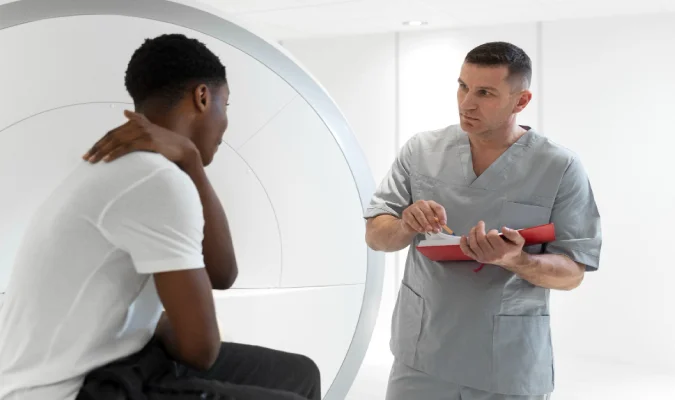
A healthcare professional can review how the accident occurred, assess your symptoms, and determine whether further examination or testing is necessary.
This is especially important after a significant collision or when symptoms involve the head, neck, or nervous system.
Keep Track of Your Symptoms
It may be useful to note when symptoms began, whether they are changing, and which activities affect them.
For example, you can record whether neck pain becomes more noticeable while driving, working, sleeping, or turning your head.
These details may help your healthcare professional understand your concerns.
Follow Individualized Medical Advice
Depending on the evaluation, recommendations may include appropriate activity, exercises, symptom management, follow-up, or referral.
Avoid forcing painful neck movements or attempting to manipulate your own neck after an injury.
Ask About Chiropractic Care When Appropriate
After serious injuries have been considered and chiropractic care is deemed suitable, a chiropractor may discuss conservative options for selected musculoskeletal complaints.
These options are individualized. Not everyone with neck pain after a collision needs a chiropractic adjustment.
How Can a Chiropractor Evaluate Neck Pain After a Car Accident?
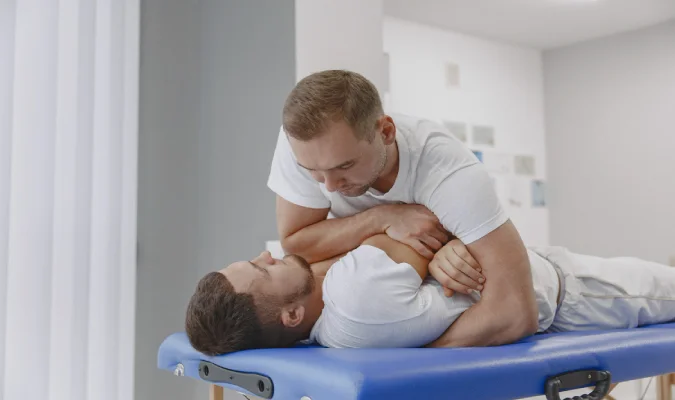
A chiropractic evaluation may be one part of the care process for selected patients after an accident, provided urgent or serious injuries have been appropriately addressed.
At Northwest – Hinojosa Chiropractic, our approach focuses on understanding the patient’s concerns and determining what type of care may be appropriate.
Review the Accident and Your Symptoms
The evaluation may include questions about the collision, the onset of symptoms, previous injuries, and relevant medical history.
Additionally, the chiropractor may ask about symptoms affecting work, sleep, driving, and daily movement.
Assess Movement and Musculoskeletal Concerns
When clinically appropriate, an examination may include assessment of movement, muscle tenderness, and other relevant findings.
If symptoms suggest a condition outside the scope of routine chiropractic care, referral or further medical assessment may be necessary.
Discuss Appropriate Care Options
Depending on the findings, conservative care may include education, therapeutic exercise, selected manual techniques, or other approaches.
For patients with recent neck trauma, cervical manipulation is not automatically appropriate. Risks, alternatives, and contraindications must be considered.
You can learn more about our therapeutic exercise services and chiropractic adjustment services in Portland.
Whiplash Symptoms and Other Injuries After a Collision
A car accident can involve more than one type of injury. For example, a patient may report neck stiffness together with lower back discomfort, shoulder pain, or headaches.
Consequently, it is important to evaluate the full symptom picture rather than focus on one diagnosis.
Neck Pain After a Rear-End Collision
Rear-end collisions are commonly associated with whiplash-type neck injuries.
However, the severity of an injury cannot be determined solely from the type of collision or the appearance of vehicle damage.
Back Pain After a Car Accident
Some people also develop back discomfort after a collision, either immediately or later.
Our back pain care page explains the clinic’s approach to evaluating selected back-related concerns.
Headaches and Possible Concussion Symptoms
Headaches, dizziness, confusion, and concentration problems may overlap with symptoms of concussion or other injuries.
Because these concerns require appropriate medical assessment, they should not be attributed automatically to neck muscle strain.
Why Portland and Gresham Patients Contact Northwest – Hinojosa Chiropractic
If you have already received appropriate medical assessment after a collision and are considering conservative care for ongoing musculoskeletal concerns, our team can help you understand the chiropractic evaluation process.
Northwest – Hinojosa Chiropractic is located in East Portland, near Gresham, at:
205 NE 181st Ave, Portland, OR 97230
Individualized Accident-Related Evaluations
We discuss symptoms, relevant health history, and care options according to the patient’s needs and clinical findings.
Clear Communication and Clinical Documentation
Clinical findings and care recommendations are documented as appropriate. When records are requested, our office follows applicable privacy requirements and authorization procedures.
Assistance in Four Languages
Our team assists patients in English, Spanish, Russian, and Ukrainian.
Convenient Appointment Options
Same-day appointments may be available, subject to scheduling.
Our in-person clinic hours are Monday through Friday, 10 AM to 7 PM. We are closed on weekends, while phone support is available 24/7.
Call (503) 512-7076 to ask about an accident-related chiropractic evaluation.
You can also explore our chiropractor near Gresham page for additional local information.
Frequently Asked Questions About Whiplash Symptoms After a Car Accident
What are the first signs of whiplash after a car accident?
Common early symptoms include neck pain, stiffness, headaches, and discomfort around the shoulders or upper back. However, symptoms vary, and a healthcare professional should evaluate new neck symptoms after a collision.
Can whiplash symptoms start 24 or 48 hours after an accident?
Yes. Symptoms can begin hours or days after a collision. Delayed pain does not confirm whiplash or rule out another injury, so an appropriate evaluation is important.
Can you have whiplash without immediate neck pain?
Yes. Some people do not notice neck discomfort right away. Nevertheless, the absence of immediate pain does not establish that no injury occurred.
Is a headache after a car accident a sign of whiplash?
Headaches may occur with whiplash, but they can also be associated with concussion or other conditions. A severe, unusual, or worsening headache after trauma requires urgent medical assessment.
Can whiplash cause shoulder pain or arm tingling?
Whiplash-related symptoms may include shoulder discomfort. Tingling, numbness, or weakness may indicate nerve involvement or another injury and should receive prompt medical evaluation.
How long do whiplash symptoms last?
Many people improve within weeks to a few months, although some experience symptoms for longer. Recovery varies depending on the injury and individual circumstances.
Should I see a doctor for neck pain after a car accident?
Yes. A medical evaluation is recommended for new neck pain or suspected whiplash after a collision, especially to identify or rule out more serious injuries.
Can a chiropractor help with whiplash symptoms?
Chiropractic care may be considered for selected musculoskeletal symptoms after appropriate medical assessment. The suitability of manual treatment depends on the patient’s condition, examination findings, risks, and preferences.
Do you offer same-day appointments after a car accident?
Same-day chiropractic appointments may be available, depending on scheduling. Call (503) 512-7076 to check current availability. Emergency symptoms require emergency medical care instead.
Is Northwest – Hinojosa Chiropractic in Portland or Gresham?
Our clinic is in East Portland at 205 NE 181st Ave, Portland, OR 97230, near Gresham. We welcome patients from both communities.
Concerned About Neck Pain After a Car Accident in Portland?
Whiplash symptoms after a car accident should not be ignored or automatically self-diagnosed. If you have new neck pain, headaches, stiffness, or other symptoms after a collision, seek an appropriate medical evaluation.
Once serious injuries have been addressed, Northwest – Hinojosa Chiropractic can discuss whether an individualized chiropractic evaluation may be suitable for your musculoskeletal concerns.
Northwest – Hinojosa Chiropractic
205 NE 181st Ave, Portland, OR 97230
Call: (503) 512-7076
In-person appointments: Monday–Friday, 10 AM–7 PM
Phone support: 24/7
Same-day appointments: May be available
Call to Request an Accident-Related Chiropractic Evaluation
This article is for educational purposes and does not replace medical diagnosis, emergency care, or individualized treatment recommendations.
Medical reference: Whiplash: Symptoms and Causes