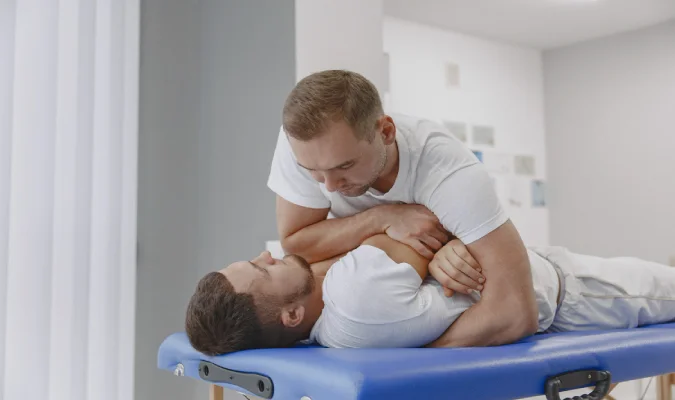


How to prepare for a chiropractic appointment starts with a few practical steps: understanding your symptoms, organizing relevant health information, choosing comfortable clothing, and writing down questions you want to ask. Whether you are visiting a chiropractor for the first time or returning after a long break, being prepared can help you communicate clearly and make informed decisions about your care.
You do not need to know the cause of your discomfort before requesting an evaluation. A qualified healthcare provider should review your concerns, assess relevant findings, and explain whether chiropractic care or another type of medical assessment may be appropriate.
At Northwest – Hinojosa Chiropractic, our East Portland clinic welcomes patients from Portland, Gresham, and surrounding communities. This guide will help you get organized before your appointment, without assuming that every patient needs an adjustment or a particular treatment.
Have Questions Before Your Appointment? Call 503-512-7076.
How to Prepare for a Chiropractic Appointment: The Essential Checklist
If you are wondering what to do before seeing a chiropractor, begin with this checklist.
- Write down your symptoms and when they started.
- Gather relevant medical records and previous imaging reports, if available.
- Prepare a list of medications, supplements, and health conditions.
- Choose comfortable clothing that allows you to move easily.
- Bring identification, insurance information, and intake forms when applicable.
- Write down questions about the evaluation, treatment options, risks, and costs.
- Confirm the clinic address, appointment time, and any arrival instructions.
- Recognize symptoms that require urgent medical care instead of a routine appointment.
You do not have to complete every item perfectly. The purpose is to make your visit easier and help your healthcare provider understand your concerns.
1. Write Down Your Symptoms Before Seeing a Chiropractor
One of the most useful things you can do before a chiropractic appointment is prepare a short description of what you have been experiencing.
Symptoms can be difficult to remember when you are answering questions during a consultation. A few notes can help you explain the situation accurately.
What Details Should You Record?
Consider writing down:
- Where you feel pain, stiffness, or discomfort.
- When the symptoms began.
- Whether the symptoms are constant or intermittent.
- Activities that make the discomfort better or worse.
- Whether symptoms affect your sleep, work, exercise, or daily activities.
- Any headaches, dizziness, numbness, tingling, or weakness.
- Treatments, medications, or self-care measures you have already tried.
You do not need to use medical terminology. Simple descriptions are often more useful than guessing at a diagnosis.
For example, you might say:
- “My neck feels stiff when I turn to check my blind spot.”
- “My lower back becomes uncomfortable after sitting at my desk.”
- “I notice pain when lifting certain objects.”
- “My symptoms began after a fall, but I have not had an evaluation yet.”
Explain How Your Symptoms Affect Everyday Activities
Healthcare providers often need to understand not only where discomfort occurs but also how it affects your daily life.
If you have difficulty sleeping, driving, walking, bending, or performing normal activities, include those details in your notes.
If your symptoms followed a motor vehicle collision, sports injury, or another event, explain what happened as accurately as possible.
Do not assume that every symptom is caused by a spinal problem. Different medical conditions can produce similar complaints, and some require evaluation outside chiropractic practice.
2. Organize Relevant Medical Records Before Your Visit
Understanding how to prepare for a chiropractic appointment also means identifying which medical records may be useful for your current concerns.
You do not need to bring every document from your medical history. Focus on information that could help the healthcare provider understand the symptoms you want evaluated.
Which Records Might Be Helpful?
Depending on your situation, consider bringing:
- Previous X-ray, MRI, or CT reports.
- Records of treatment for the same area of the body.
- Information about previous surgeries.
- Relevant physical therapy or rehabilitation summaries.
- Recommendations from another healthcare professional.
- Documentation related to a recent injury.
- Information about significant medical conditions.
If you have records available through an online patient portal, ask the clinic whether a digital copy is acceptable.
If you do not have access to a particular document, contact the office to ask whether it is needed before the appointment.
Do You Need New X-Rays Before a Chiropractic Appointment?
Not necessarily.
Imaging should be considered when clinically indicated, not ordered automatically for every patient.
A healthcare professional should decide whether X-rays or other imaging are appropriate based on the history, symptoms, examination findings, and relevant clinical criteria.
You should not feel obligated to arrange new imaging simply because you are planning a chiropractic visit.
Why Organizing Your Records Matters
When learning how to prepare for a chiropractic appointment, organizing your existing medical information can help avoid confusion about previous injuries, diagnoses, or treatment recommendations.
For example, if another clinician has advised you to avoid certain movements or procedures, that information should be shared before treatment is considered.
3. Prepare Your Medication List and Medical History
Your chiropractor should know about relevant health conditions and medications before recommending treatment.
This information may influence which examination procedures or treatment options are suitable.
What Should Be on Your Medication List?
Include:
- Prescription medications.
- Over-the-counter pain relievers.
- Vitamins and supplements.
- Known medication allergies.
- Relevant medical diagnoses.
- Previous surgeries or significant injuries.
Include medication names and dosages when you know them.
Some conditions and medications require additional precautions. For example, significant osteoporosis, certain neurological conditions, recent surgery, and medications that affect bleeding risk may influence treatment decisions.
Should You Stop Taking Medication Before Your Visit?
No. Do not stop or change prescribed medication unless the clinician who prescribed it advises you to do so.
Bring an accurate list and discuss relevant information with your healthcare provider.
If you are pregnant, think you may be pregnant, or have a medical condition that could affect treatment, mention it before any procedure is considered.
4. What to Wear to a Chiropractor Appointment
Choosing the right clothing is a simple but useful part of preparing for a visit.
Comfortable clothes can make it easier to move during an examination and discuss the areas where you experience discomfort.
Comfortable Clothing Options
Depending on the reason for your appointment, practical choices may include:
- A comfortable T-shirt.
- Flexible pants or leggings.
- Clothing that does not restrict bending or turning.
- Comfortable shoes that are easy to remove if requested.
Avoid outfits that make ordinary movement difficult.
Do You Need Special Clothing?
Usually, no special outfit is required for a routine chiropractic appointment.
However, individual clinics may provide specific instructions depending on the examination or service.
When considering how to prepare for a chiropractic appointment, choose clothing that allows comfortable movement and ask the clinic ahead of time if you are unsure what to wear.
What About Jewelry and Accessories?
Large accessories may interfere with certain movements or examinations.
Consider wearing minimal accessories or being prepared to remove them if clinically necessary.
Your comfort and privacy should be respected throughout the visit.
5. What to Bring to a Chiropractic Appointment
A short packing checklist can help you avoid forgetting practical items.
You may want to organize your documents the evening before the appointment.
Your Appointment Packing Checklist
Depending on the clinic’s requirements, bring:
- A photo ID.
- Insurance information, if applicable.
- Completed intake forms, if provided in advance.
- Your medication and supplement list.
- Relevant medical records or imaging reports.
- A short written summary of your symptoms.
- Questions you want to ask.
- Any referral or documentation specifically requested by the clinic.
Not every patient needs every item. Contact the office if you are unsure about its requirements.
Should You Check Insurance Coverage Before Arriving?
Yes. It is reasonable to ask about billing and insurance before scheduling or attending a visit.
Questions may include:
- Does the clinic accept my insurance plan?
- Is a referral required?
- Will I have a copay or deductible?
- Are there limits on chiropractic visits?
- Are all proposed services covered?
The clinic can explain its billing process, while your insurer can confirm your specific policy benefits.
Do not assume that every evaluation or treatment is automatically covered.
What If Your Appointment Is Related to a Car Accident?
If you are seeking an evaluation after a motor vehicle collision, the clinic may request information about the accident, previous medical care, or an insurance claim.
Bring what you have available and ask which documents are actually needed.
For information specifically related to post-collision care, visit our auto injury chiropractic services.
This preparation guide is intended for chiropractic appointments in general. Accident-related medical and insurance questions may require additional documentation.
6. Prepare Questions Before Agreeing to Chiropractic Treatment
A key part of how to prepare for a chiropractic appointment is deciding what you want to understand before making decisions about care.
You do not need to choose a specific treatment before your examination.
Instead, prepare questions that help you understand the evaluation and any recommendations.
Ten Questions Worth Bringing
- What are the possible explanations for my symptoms?
- What will the evaluation involve?
- Are there signs that require imaging or referral?
- What treatment options might be appropriate?
- What benefits and risks should I understand?
- Are there alternatives to a chiropractic adjustment?
- Would therapeutic exercise or activity changes be useful?
- How will progress be evaluated?
- What costs or insurance questions should I clarify?
- What should I do if my symptoms worsen?
Ask About Informed Consent
Before any treatment, the healthcare provider should explain what is proposed and why.
You should have an opportunity to discuss potential benefits, relevant risks, and reasonable alternatives.
Spinal manipulation is not appropriate for every patient or condition. Procedures involving the neck require particular attention to risks and contraindications.
The National Center for Complementary and Integrative Health provides information about spinal manipulation, its potential benefits, limitations, and risks.
It Is Appropriate to Ask for Clarification
If you do not understand a recommendation, ask the provider to explain it.
You can also ask why a treatment is being suggested, whether another approach is available, or whether additional medical evaluation would be appropriate.
Informed participation matters more than agreeing to a procedure without understanding it.
7. Confirm Your Appointment Details Before Leaving Home
Practical planning is another part of how to prepare for a chiropractic appointment that can make the day easier.
Before leaving, confirm:
- The appointment date and time.
- The correct clinic address.
- Whether you should arrive early for paperwork.
- Whether any documents are required.
- Parking or transportation arrangements.
- Whether you need accessibility or language assistance.
- How to contact the clinic if you are running late.
If you need to reschedule, contact the office according to its appointment policies.
Visiting Northwest – Hinojosa Chiropractic
Our clinic is located at:
205 NE 181st Ave, Portland, OR 97230
We welcome patients from East Portland, Gresham, and surrounding communities at this Portland location.
Physical office hours:
Monday–Friday: 10:00 AM–7:00 PM
Saturday and Sunday: Closed
Phone assistance is available 24/7. This does not mean the physical office is open around the clock.
Call 503-512-7076 to Ask About Appointment Availability and Preparation Instructions.
8. Know When to Seek Urgent Medical Attention Instead
An important part of preparing for any healthcare appointment is knowing when a routine visit should not be your first step.
Some symptoms may indicate a serious condition requiring emergency medical assessment.
Seek emergency care for warning signs such as:
- Sudden or significant weakness.
- New loss of bladder or bowel control.
- Severe pain after significant trauma.
- Loss of consciousness or confusion.
- Severe or worsening headache following a head injury.
- New difficulty walking or maintaining balance.
- Sudden facial drooping, speech difficulty, or one-sided weakness.
- Other severe or rapidly worsening symptoms.
If you have experienced a major accident or suspect a serious injury, seek appropriate medical attention rather than waiting for a routine chiropractic appointment.
Understanding how to prepare for a chiropractic appointment includes recognizing when urgent medical care is the safer next step.
What Happens After You Have Prepared?
Once you have organized your symptom notes, health information, and questions, you are ready to contact the clinic and confirm the appointment process.
You do not need to diagnose yourself or decide in advance whether an adjustment is necessary.
A qualified provider should evaluate your concerns and explain whether chiropractic care, additional medical assessment, or referral may be appropriate.
For a separate explanation of the consultation itself, read our existing article, What to Expect During Your First Chiropractic Appointment in Portland.
That article focuses on what happens during the visit. This checklist focuses on the steps you can take before arriving.
Why Preparation Helps First-Time Chiropractic Patients
Preparing ahead of time may help you communicate your concerns more clearly and participate more actively in healthcare decisions.
A practical checklist can help you:
- Remember important symptom details.
- Share relevant medical information.
- Understand possible recommendations.
- Ask about treatment risks and alternatives.
- Clarify insurance and payment questions.
- Set realistic expectations for your appointment.
Preparation does not guarantee a particular diagnosis or treatment result.
Its purpose is to support clear communication and informed decision-making.
Frequently Asked Questions About Chiropractic Appointment Preparation
What Should I Do Before My First Chiropractic Appointment?
Write down your symptoms, prepare a medication list, gather relevant medical records, choose comfortable clothing, and confirm any instructions from the clinic. Bring questions about the evaluation, treatment options, risks, and costs.
What Should I Bring to a Chiropractor Appointment?
Depending on the clinic’s requirements, bring identification, insurance information if applicable, relevant medical records, a medication list, completed forms, and a summary of your symptoms.
What Should I Wear to a Chiropractic Appointment?
Comfortable, flexible clothing is usually a practical choice. A T-shirt and comfortable pants or leggings can make movement easier during an examination. Ask the clinic if it has specific clothing instructions.
Should I Eat Before a Chiropractic Appointment?
There is generally no universal requirement to fast before a routine chiropractic visit. Follow any specific instructions provided by the clinic, and ask ahead if you have questions about eating or drinking.
Do I Need X-Rays Before Seeing a Chiropractor?
Not necessarily. Imaging should be recommended only when clinically indicated based on your symptoms, injury history, examination findings, and applicable criteria.
Should I Stop Taking Medication Before My Appointment?
No. Do not stop or change prescribed medication without guidance from the clinician who prescribed it. Bring an accurate medication list and discuss relevant health information with your chiropractor.
Will I Receive a Chiropractic Adjustment During My First Visit?
Not necessarily. An evaluation does not automatically mean an adjustment will be performed. Treatment decisions should depend on clinical findings, suitability, informed consent, and the need for any additional assessment.
Can I Ask About Insurance Before Scheduling?
Yes. Contact the clinic to ask about billing and accepted insurance plans, and confirm your specific benefits with your insurer. Coverage depends on your policy and the services involved.
Can Patients From Gresham Visit Northwest – Hinojosa Chiropractic?
Yes. Our clinic welcomes patients from Gresham and surrounding communities at our East Portland location.
Ready to Prepare for Your Chiropractic Appointment?
Now that you understand how to prepare for a chiropractic appointment, you can take the next step with your symptom notes, relevant documents, and questions ready.
If you are considering chiropractic care in East Portland, Northwest – Hinojosa Chiropractic welcomes your questions about appointment availability, the evaluation process, and available services.
Northwest – Hinojosa Chiropractic
205 NE 181st Ave, Portland, OR 97230
Phone: 503-512-7076
Office hours: Monday–Friday, 10:00 AM–7:00 PM
Weekends: Closed
Phone assistance: Available 24/7
Learn About Our Chiropractic Adjustment Services
This article provides general educational information and does not replace individualized medical advice, diagnosis, or emergency care. Appointment availability varies.