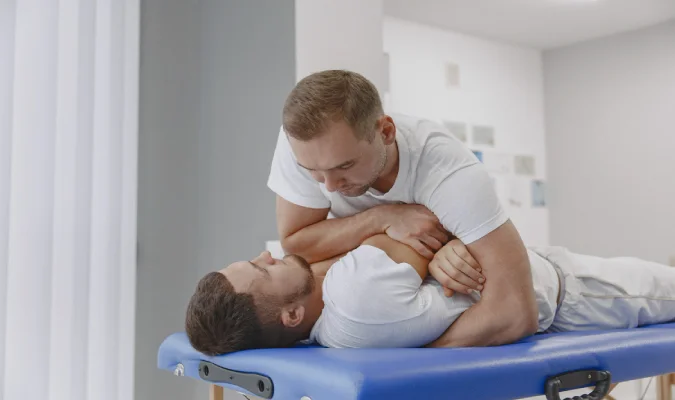


Finding experienced Chiropractors in Portland can be an important step when neck pain, lower back discomfort, or movement limitations begin affecting your daily routine. Whether your symptoms developed gradually or started after a car accident, understanding your treatment options can help you make informed decisions about your health.
Pain does not affect everyone in the same way. For one person, it may mean difficulty sitting through a workday. For another, it may involve interrupted sleep, limited neck movement, or discomfort while walking. The goal of appropriate care is not to promise a permanently pain-free life, but to identify suitable ways to manage symptoms and improve meaningful daily activities.
Chiropractic care is one possible approach for selected musculoskeletal conditions. It may include assessment, exercise recommendations, patient education, and appropriate manual treatment. Not every patient needs an adjustment, and some symptoms require medical attention rather than chiropractic treatment.
At Northwest – Hinojosa Chiropractic, patients in Portland can ask about evaluations for neck and back complaints, including symptoms following automobile accidents.
Call 503-512-7076 to ask about an appointment and the information needed for your first visit.
Why Do People Visit Chiropractors in Portland?
People seek chiropractic care for a variety of reasons. Some are dealing with a recent episode of lower back pain, while others have recurring neck stiffness or discomfort that makes everyday tasks difficult.
Many want to understand whether conservative treatment could help before considering other interventions.
A patient may be concerned about returning to exercise, managing long periods at a desk, or feeling comfortable while driving. Someone injured in a collision may also need an evaluation of new musculoskeletal symptoms and guidance about appropriate next steps.
The specific reason for visiting matters because it influences the examination and treatment recommendations.
A responsible chiropractor should not assume that every complaint comes from a spinal misalignment or that every problem can be corrected through manipulation.
Common reasons for scheduling an evaluation
| Concern | Possible daily impact | What an evaluation may explore |
|---|---|---|
| Lower back pain | Difficulty sitting or bending | Symptoms, movement and neurological findings |
| Neck stiffness | Trouble turning the head | Cervical movement and relevant history |
| Upper back discomfort | Pain during desk work | Posture, activity and musculoskeletal findings |
| Recurrent pain | Interrupted work or exercise | Previous episodes and contributing factors |
| Accident-related symptoms | Difficulty returning to routines | Trauma history and medical warning signs |
| Reduced mobility | Limitations in ordinary tasks | Functional goals and treatment options |
The objective is to understand the individual rather than apply a standard procedure to everyone.
Can Chiropractic Care Help With Lower Back Pain?
Lower back pain is one of the most common reasons people seek conservative musculoskeletal care.
Some episodes develop after physical activity. Others begin without a clearly identifiable event. Many improve over time, although symptoms may persist or recur.
Depending on the assessment, conservative care may involve education, movement advice, exercise, and selected manual techniques.
Spinal manipulation can be considered for certain patients, but it is not necessarily superior to every other option and should not be presented as a guaranteed solution.
What does the research say?
The World Health Organization recommends a person-centered approach to chronic primary lower back pain.
Its guidance includes structured education, exercise programs, and selected physical treatments.
Spinal manipulative therapy receives a conditional recommendation supported by very low-certainty evidence. This means it may be considered within a broader treatment plan for appropriate patients, not as a universal treatment.
The recommendations concern chronic primary lower back pain and should not automatically be applied to every spinal condition or traumatic injury.
You can read the WHO guidance on chronic lower back pain.
For more information about common symptoms and conservative options, explore our back pain guide.
What About Neck Pain and Stiffness?
Neck discomfort may interfere with driving, working, sleeping, and exercising.
Some people develop symptoms after spending extended periods in one position. Others experience neck pain following a sudden movement or an automobile collision.
The cause cannot be established simply by identifying where the pain is located.
An evaluation may include questions about when symptoms started, how they have changed, and whether they travel into the arms.
The clinician may also assess neck movement and relevant neurological findings.
For selected uncomplicated musculoskeletal complaints, conservative care may involve gentle exercises, activity guidance, or appropriate manual techniques.
However, cervical manipulation is not required for every patient. It carries potential risks, including rare serious complications, and must be considered carefully.
Patients should understand the proposed procedure, its alternatives, and any reasons it may not be suitable.
How Chiropractors in Portland Can Help Patients Set Functional Goals
One of the most useful ways to evaluate care is to ask what you want to do more comfortably.
Pain scores can provide information, but they do not tell the entire story.
Someone with neck stiffness may want to check traffic safely while driving. A patient with back discomfort may want to sit through a meeting, walk farther, or resume household activities.
A practical treatment plan should connect clinical recommendations to these goals.
Examples of meaningful improvement
| Daily activity | Initial difficulty | Functional goal |
|---|---|---|
| Driving | Limited neck rotation | Turn the head more comfortably |
| Desk work | Frequent back discomfort | Improve sitting tolerance |
| Walking | Symptoms after short distances | Gradually increase activity |
| Sleeping | Pain-related interruptions | Improve comfort and rest |
| Lifting | Avoiding ordinary objects | Restore suitable movement |
| Exercise | Reduced participation | Return progressively |
Improvement may occur gradually rather than in a straight line.
If symptoms are not improving, the plan should be reviewed rather than continued indefinitely without a clear purpose.
What Happens During Your First Chiropractic Appointment?
Your first visit should begin with an evaluation, not an automatic adjustment.
The chiropractor may ask about your symptoms, previous injuries, medical history, medications, and activities that are currently difficult.
If the problem followed a car accident, details about the collision and any previous medical assessment may be relevant.
The physical examination can include movement assessment, orthopedic findings, and neurological screening when appropriate.
Imaging is not automatically necessary for every patient. The decision depends on the history, examination, and applicable clinical guidelines.
Questions worth asking during your visit
- What might be contributing to my symptoms?
- Are there findings that require medical evaluation?
- Which treatment options are appropriate?
- Do I need an adjustment?
- What are the risks and alternatives?
- Can exercise be part of my plan?
- How will progress be measured?
- When should the treatment plan be reconsidered?
Clear answers help you participate in decisions about your care.
You can learn more about the process in our guide to chiropractic appointments in Portland.
Do All Chiropractors Use the Same Treatment Methods?
No. Chiropractic practices can differ in their approach, services, and treatment philosophy.
Some emphasize spinal manipulation. Others incorporate exercise, education, mobilization, and additional conservative techniques.
The right approach depends on your clinical findings and preferences.
An adjustment is not necessarily required at the first visit or at every subsequent appointment.
Understanding common treatment options
| Treatment option | Potential role | Important limitation |
|---|---|---|
| Patient education | Explain symptoms and recovery | Must reflect the patient’s condition |
| Therapeutic exercise | Support mobility and physical capacity | Requires appropriate progression |
| Activity guidance | Encourage safe daily movement | Restrictions depend on the injury |
| Joint mobilization | Address selected movement limitations | Requires clinical screening |
| Spinal manipulation | Consider for certain musculoskeletal complaints | Not appropriate for everyone |
| Soft-tissue techniques | Complement selected treatment plans | Benefits may vary |
| Medical referral | Evaluate concerning findings | Essential when indicated |
A good clinician should explain why each recommended intervention fits your situation.
Why Exercise and Movement Matter
For many uncomplicated musculoskeletal conditions, an active approach can be an important part of recovery.
When pain develops, people sometimes avoid movement because they are afraid of making the problem worse.
Certain injuries require restrictions, especially after significant trauma. But unnecessary inactivity may create additional difficulties for other patients.
Appropriate exercises may help build movement tolerance, improve physical capacity, and support a return to normal routines.
The type and intensity of exercise should be individualized.
Someone with persistent lower back pain may need a different program from a person recovering from neck stiffness.
Exercise should not be used to ignore serious symptoms or force painful movements.
For additional information, explore therapeutic exercise.
Can Chiropractic Care Be Part of a Long-Term Wellness Plan?
Some people search for Chiropractors in Portland because they want to remain active and reduce the impact of recurring discomfort.
A wellness-oriented conversation may include physical activity, ergonomic habits, movement confidence, and strategies for managing symptoms.
However, routine chiropractic adjustments should not be described as proven to prevent every future episode of pain or to improve unrelated medical conditions.
Long-term care should have a clear purpose and be based on individual needs.
For many patients, learning appropriate self-management strategies can be more valuable than depending indefinitely on passive treatment.
The goal should be greater independence and better function.
What If Your Pain Started After a Car Accident?
Automobile accidents deserve special consideration because the forces involved may cause injuries that require medical assessment.
Neck stiffness, headaches, shoulder discomfort, and back pain can develop after a collision.
Some symptoms are noticeable immediately. Others may emerge hours or days later.
The timing of symptoms alone cannot determine the type or severity of an injury.
A chiropractor evaluating accident-related complaints should review the crash history, any emergency department findings, and possible warning signs.
Manual treatment should not begin before important contraindications have been considered.
For selected uncomplicated musculoskeletal complaints, conservative care may include exercises, activity advice, and appropriate manual techniques.
For serious trauma or neurological symptoms, medical evaluation takes priority.
Read our guide on what to do after a car accident.
When Should You Seek Medical Attention Instead?
Not every neck or back complaint is appropriate for routine chiropractic care.
Seek emergency medical help after serious trauma or if you develop new loss of bladder or bowel control, numbness around the groin, progressive weakness, or significant neurological symptoms.
Sudden severe headache with vision, speech, or balance problems also requires emergency evaluation.
Pain accompanied by concerning systemic symptoms may need medical investigation.
After a major collision, do not assume that symptoms are caused only by muscle tension.
The NHS back pain guidance explains common warning signs and when to seek urgent medical attention.
Recognizing the limits of chiropractic care is part of responsible clinical practice.
How Do You Choose Among Chiropractors in Portland?
Choosing a chiropractor involves more than reading reviews or selecting the nearest office.
Location matters, but so do communication, evaluation methods, treatment options, and safety.
Look for a provider who listens to your concerns and explains recommendations in language you understand.
Ask whether the clinic offers alternatives to spinal manipulation and how it determines when medical referral is necessary.
A practical clinic comparison checklist
| What to evaluate | What to look for |
|---|---|
| Clinical assessment | Individualized history and examination |
| Communication | Clear explanations and answers |
| Treatment options | More than one possible approach |
| Safety | Screening and appropriate referrals |
| Consent | Discussion of risks and alternatives |
| Progress tracking | Measurable functional goals |
| Insurance | Clear information about billing |
| Convenience | Accessible location and suitable appointment times |
Be cautious of promises that a fixed number of adjustments will permanently eliminate pain.
A responsible provider should explain uncertainty and adapt recommendations as your condition changes.
Why East Portland Location Can Be Convenient
Portland is a large city, and travel time can influence how easily someone attends appointments.
For patients living or working in East Portland, the 97230 area may be more practical than traveling across the city.
Nearby communities and neighborhoods can also make an East Portland office convenient, depending on the patient’s route.
However, convenience should not replace careful consideration of the clinician’s approach.
If pain or limited neck movement makes driving unsafe, arrange appropriate transportation rather than driving yourself.
When comparing Chiropractors in Portland, consider location together with clinical suitability and clear communication.
What Should You Know About Oregon PIP Insurance?
If your symptoms began after a motor vehicle collision, Oregon Personal Injury Protection insurance, commonly called PIP, may be relevant.
For qualifying claims, PIP can help pay for reasonable and necessary medical expenses related to an accident.
Oregon generally requires a minimum of $15,000 in PIP medical expense coverage per person, subject to applicable rules and policy provisions.
Eligible expenses generally must be incurred within two years of the injury.
Chiropractic care may be covered when the services qualify under the applicable claim, but payment is not automatic.
Ask your insurer about eligibility, available benefits, claim documentation, and any billing requirements.
You can also ask the clinic what insurance information it needs before an accident-related appointment.
For a more detailed explanation, see our PIP insurance guide.
How Can You Prepare for a Chiropractic Evaluation?
A little preparation can make the first consultation more useful.
Write down your symptoms, when they started, and what activities they affect.
Bring information about previous injuries, current medications, and any relevant medical diagnoses.
If you have already received treatment, previous reports may help the clinician understand your history.
For accident-related symptoms, bring available information about the collision and your insurance claim.
You can also prepare questions about costs, treatment alternatives, and expected follow-up.
Before your appointment
- Identify your main concerns.
- Record when symptoms began.
- Note which activities are difficult.
- Gather relevant medical records.
- Bring medication and insurance information.
- Prepare questions about the examination.
- Ask how progress will be evaluated.
You do not need to arrive with a specific diagnosis or a request for a particular adjustment.
How Long Does Chiropractic Treatment Usually Take?
There is no universal number of visits for neck or back pain.
Some patients may need an evaluation and self-care guidance. Others may benefit from a short course of conservative treatment and reassessment.
The appropriate duration depends on the condition, symptoms, goals, and response to care.
A treatment plan should explain why follow-up visits are recommended.
It should also identify what changes would indicate that the plan is working.
If meaningful improvement does not occur, the clinician should consider modifying the approach or recommending another evaluation.
Continuing treatment without clear goals is not the same as providing effective care.
What Makes a Patient-Centered Chiropractic Experience?
Patient-centered care involves listening to what matters to the individual.
For some people, the priority is returning to work. Others want to sleep more comfortably, exercise again, or understand symptoms following a collision.
The clinician should consider these priorities alongside the examination findings.
Patients should receive information about expected benefits, possible risks, alternatives, and costs.
They should also have the opportunity to decline a procedure.
The most valuable outcome is not necessarily a completely pain-free day. It may be improved mobility, greater confidence in movement, or better management of recurring symptoms.
Chiropractic Care in Portland for Neck, Back and Accident-Related Complaints
If you are exploring local care, Northwest – Hinojosa Chiropractic is located at 205 NE 181st Ave, Portland, OR 97230.
The clinic’s published team information includes Dr. Hinojosa, whose professional background includes accident-related chiropractic care.
You can contact the office to ask about an evaluation, current clinician availability, and the information needed for an appointment.
A recommendation should follow an appropriate assessment rather than a promise that every condition can be treated with an adjustment.
Call 503-512-7076 to discuss appointment options.
Frequently Asked Questions About Chiropractors in Portland
How Do I Choose Chiropractors in Portland?
Compare the evaluation process, treatment options, safety procedures, communication, location, and insurance information. Choose care that fits your symptoms and goals.
Can Chiropractic Care Help With Lower Back Pain?
Some patients with musculoskeletal lower back pain may benefit from conservative care, including exercise, education, and selected manual techniques. Results vary.
Can Chiropractors Help With Neck Pain?
Chiropractors may evaluate selected neck complaints and recommend appropriate conservative options. Serious or neurological symptoms require medical attention.
Do I Need an Adjustment at Every Appointment?
No. Depending on your condition, treatment may involve exercise, education, mobilization, or other recommendations instead of spinal manipulation.
Is Chiropractic Care a Guaranteed Way to Become Pain-Free?
No. Treatment results vary, and no responsible provider can guarantee permanent pain relief or a particular outcome.
Should I Visit a Chiropractor After a Car Accident?
A chiropractor may evaluate selected musculoskeletal symptoms after a collision. Significant trauma or warning signs require appropriate medical assessment first.
How Many Chiropractic Visits Will I Need?
There is no fixed number. Recommendations depend on your symptoms, examination, functional goals, and response to care.
Does Oregon PIP Insurance Cover Chiropractic Treatment?
PIP may cover eligible, reasonable, and necessary accident-related chiropractic services under the applicable policy. Coverage is not guaranteed.
What Should I Bring to My First Chiropractic Appointment?
Bring information about your symptoms, medications, relevant medical history, previous records, and insurance details if applicable.
Where Can I Request a Chiropractic Evaluation in East Portland?
Contact Northwest – Hinojosa Chiropractic at 503-512-7076 to ask about an evaluation at 205 NE 181st Ave, Portland, OR 97230.
Take the Next Step Toward More Comfortable Movement
When you are comparing Chiropractors in Portland, focus on finding care that matches your condition, preferences, and goals.
Appropriate chiropractic treatment may be one part of managing selected neck and back complaints, but it works best when recommendations are individualized and progress is reassessed.
Whether your symptoms developed gradually or followed an automobile accident, understanding the available options is a useful starting point.
Northwest – Hinojosa Chiropractic
205 NE 181st Ave, Portland, OR 97230
Phone: 503-512-7076
This article is for general educational purposes and does not replace individualized medical advice. Seek emergency care for serious injuries or warning signs. Treatment outcomes, insurance coverage, and appointment availability are not guaranteed.