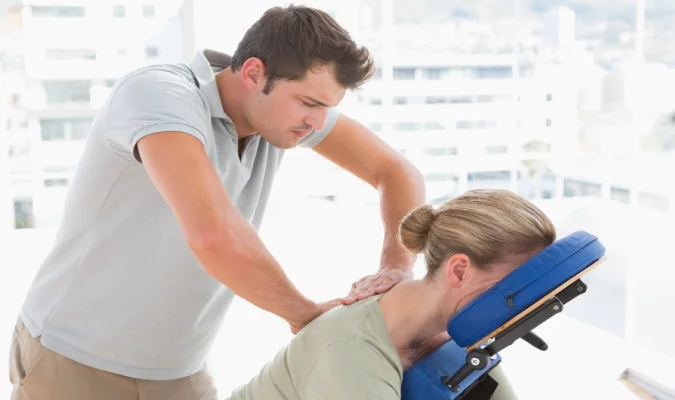


After a Car Accident, your first concern is usually safety. But once the immediate situation is under control, new questions often arise. Why does your neck feel stiff? Is the back pain related to the collision? Should you wait for the discomfort to disappear, or schedule an evaluation?
Even a seemingly straightforward crash can disrupt your routine. You might struggle to turn your head while driving, sit through a workday, sleep comfortably, or lift everyday objects. Some symptoms begin immediately, while others develop hours or days later.
The most important step is to understand your symptoms before choosing treatment. Chiropractic care may help selected musculoskeletal complaints, but it is not a substitute for emergency medicine or an appropriate medical examination following significant trauma.
If you are experiencing neck or back discomfort following a collision in Portland, Northwest – Hinojosa Chiropractic can provide information about accident-related chiropractic evaluations.
Call 503-512-7076 to ask about appointment availability and what to bring to your first visit.
What Should You Do Immediately After a Car Accident?
The first few minutes after a collision can be stressful. Focus on immediate safety rather than trying to determine whether you have a chiropractic injury.
If someone may be seriously injured, call 911. Follow emergency responders’ instructions and avoid unnecessary movement when a significant neck or spinal injury is suspected.
If the situation is safe and you are able to do so, exchange the necessary driver and insurance information. Document the scene and notify the appropriate authorities when required.
Once immediate safety concerns have been addressed, consider how you feel physically.
A person may be shaken, distracted, or initially unaware of discomfort. That does not mean an injury is present, but it also does not rule one out.
Your priorities following a collision
| Priority | Recommended action | Why it matters |
|---|---|---|
| Immediate safety | Call emergency services when needed | Serious injuries take priority |
| Accident information | Record relevant details when safe | Supports accurate reporting |
| Physical symptoms | Note pain, dizziness, or other changes | Helps with clinical evaluation |
| Medical assessment | Seek appropriate care for injuries | Identifies conditions needing treatment |
| Insurance | Contact the applicable insurer | Clarifies claim procedures |
| Follow-up | Monitor symptoms and function | Helps determine next steps |
You do not need to decide on a particular treatment while still at the accident scene.
Why Can Pain Appear Hours or Days After a Car Accident?
Not everyone experiences pain at the moment of impact.
A collision may be followed by neck stiffness, shoulder discomfort, headaches, or back pain that becomes noticeable later. Symptoms of whiplash, for example, can take several hours to develop.
Delayed symptoms do not automatically indicate a serious injury. However, they deserve attention when they persist, worsen, or interfere with daily activities.
It is useful to record the timeline accurately.
Perhaps your neck felt normal immediately after the crash but became stiff the following morning. Or you noticed lower back discomfort after returning to work.
Describe these changes honestly during your evaluation.
The timing, location, severity, and progression of symptoms can help a healthcare professional determine whether additional assessment is needed.
Common Symptoms to Watch for After a Car Accident
Different types of injuries can cause similar complaints. For that reason, symptoms should not be assigned a diagnosis without an examination.
Neck pain and stiffness
A sudden movement of the head may be associated with whiplash-related symptoms. These can include stiffness, reduced movement, headaches, and discomfort around the shoulders.
Lower back pain
Back discomfort may become noticeable when sitting, walking, bending, or changing positions. A clinician should consider whether the symptoms appear musculoskeletal or require further investigation.
Upper back and shoulder discomfort
Pain around the shoulder blades or upper back may affect reaching, lifting, and desk work. The source may involve several structures.
Headaches
Headaches can occur with neck complaints, but headaches after a collision also raise questions about possible head injury. Severe, worsening, or unusual symptoms need medical assessment.
Tingling, numbness, or weakness
These symptoms may indicate neurological involvement and should not be dismissed as routine muscle tension.
Difficulty sleeping or concentrating
Pain and stress following a crash may interfere with rest and concentration. Persistent or concerning cognitive changes should be discussed with a medical professional.
After a Car Accident, the combination of symptoms often matters more than any single complaint.
When Should You Seek Emergency Medical Care?
Some symptoms should never wait for a routine chiropractic appointment.
Seek emergency medical attention after serious trauma or if you develop concerning symptoms such as loss of consciousness, confusion, worsening severe headache, new weakness, difficulty speaking, or significant problems with balance.
New loss of bladder or bowel control, loss of sensation around the groin, or rapidly progressing neurological symptoms can also indicate an emergency.
Chest pain, trouble breathing, and severe abdominal pain following trauma require urgent assessment.
If you suspect a serious neck or spinal injury, avoid forceful movement and follow emergency medical instructions.
The NHS guidance on whiplash explains common symptoms and identifies circumstances requiring urgent medical advice.
How Can Chiropractic Care Support Recovery After a Car Accident?
For selected patients with musculoskeletal complaints, chiropractic care may form part of a conservative recovery plan.
The process should begin with evaluation rather than an automatic spinal adjustment.
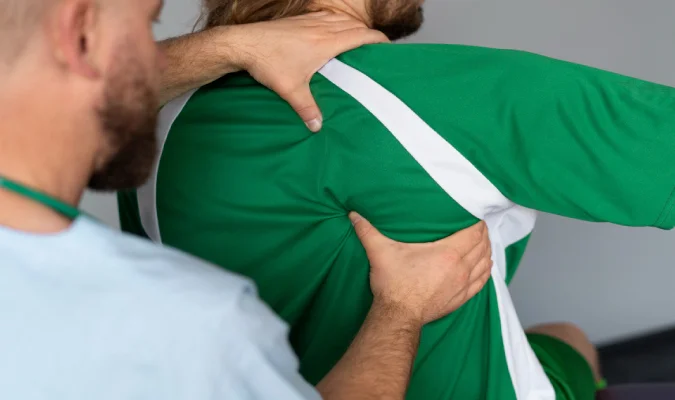
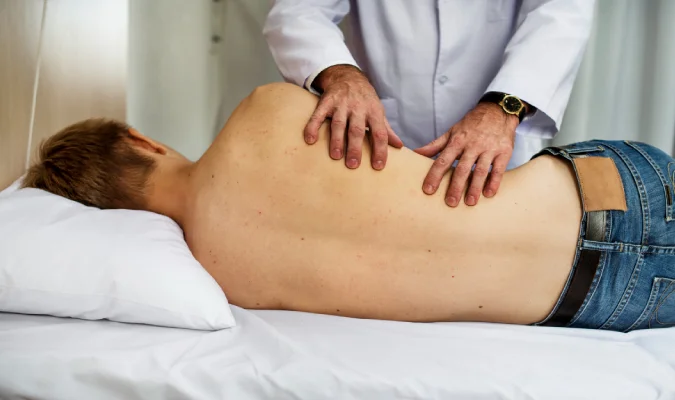
A chiropractor may assess movement, review symptom history, identify functional limitations, and discuss suitable treatment options.
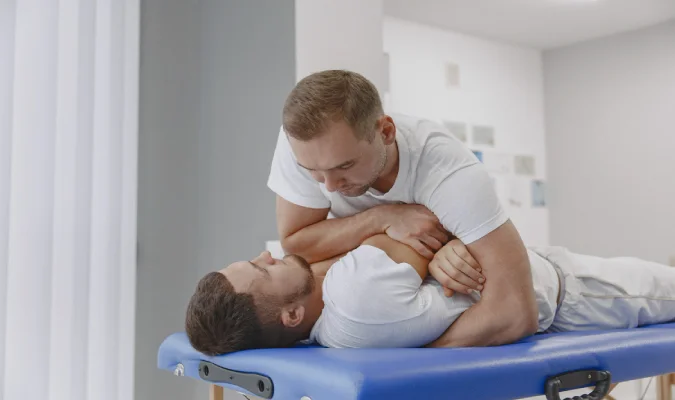
Depending on the findings, care may include therapeutic exercises, activity recommendations, selected manual techniques, and monitoring of progress.
The objective is not simply to reduce discomfort during a visit. It is to help you return to meaningful activities when appropriate.
Examples include turning your head comfortably, walking without unnecessary restriction, sitting through work tasks, or sleeping with fewer interruptions.
An important limitation is that not every accident-related injury can or should be treated through chiropractic care. Medical referral may be necessary.
For a more detailed discussion of treatment approaches, see how chiropractic care helps after a car accident.
What Happens at Your First Chiropractic Appointment?
Your first appointment should focus on understanding your situation.
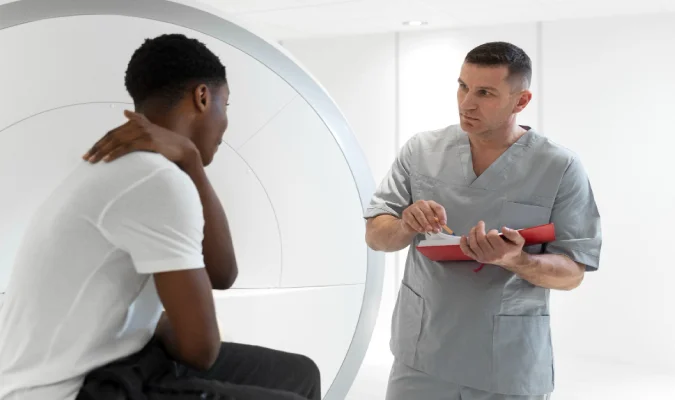
The chiropractor may ask when the accident happened, how the impact occurred, what symptoms developed, and whether you have already received medical attention.
You may also be asked about previous injuries, medications, and activities that are currently difficult.
A physical examination may include assessment of movement and relevant neurological findings.
What to bring
| Item | Purpose |
|---|---|
| Accident date and details | Establishes the event timeline |
| Symptom notes | Explains how complaints developed |
| Medical records | Provides previous findings |
| Imaging reports, if available | Helps review existing investigations |
| Medication information | Supports treatment planning |
| Insurance information | Helps clarify administrative questions |
| PIP claim number, if assigned | May assist with billing inquiries |
| Personal questions | Supports informed decisions |
Not every patient needs imaging, and not every initial visit should include spinal manipulation.
If examination findings raise concerns about a serious condition, another medical evaluation may be the appropriate next step.
You can also read about chiropractic appointments in Portland.
Can Chiropractic Care Help With Whiplash?
Whiplash is associated with rapid movement of the head and neck, often during a collision.
For uncomplicated cases, conservative management frequently emphasizes appropriate movement, gradual return to activity, education, and exercises.
Some patients may also be offered selected manual therapy. However, cervical manipulation is not required for whiplash recovery, and it carries risks that must be considered.
Following trauma, screening for significant injury is especially important.
Do not attempt to forcefully manipulate your own neck.
If you have ongoing stiffness, headaches, arm symptoms, or difficulty moving, describe them during your clinical evaluation.
For additional information, explore whiplash treatment after an auto accident.
What About Back Pain Following a Collision?
Lower and upper back discomfort can interfere with walking, work, and household tasks.
When an appropriate assessment identifies a musculoskeletal problem, conservative care may involve exercise, movement guidance, and selected manual treatment.
An adjustment is only one possible technique.
For some patients, exercise and education may be more appropriate than manipulation. Others may need medical imaging or specialist assessment based on their symptoms.
The goal is to improve function while avoiding unnecessary procedures.
A good treatment plan should explain what is being addressed and how progress will be measured.
Read more about back pain and chiropractic care.
What Can You Do at Home During Recovery?
Recovery is not limited to appointments.
When a healthcare professional has ruled out serious injuries and has not advised specific restrictions, gradual movement may be helpful for many uncomplicated musculoskeletal complaints.
You might begin by changing positions regularly, walking within your tolerance, and avoiding prolonged inactivity.
For neck complaints, gentle movements may be appropriate, but do not force a painful range or attempt aggressive self-adjustments.
Daily activities and practical considerations
| Activity | Recovery consideration |
|---|---|
| Driving | Resume only when you can control the vehicle safely |
| Desk work | Change positions and take movement breaks |
| Walking | Increase activity gradually as appropriate |
| Exercise | Return according to symptoms and clinical advice |
| Sleeping | Seek a comfortable, supported position |
| Household tasks | Modify demanding activities temporarily |
The aim is to rebuild confidence and normal function without ignoring worsening symptoms.
If you cannot safely turn your head to check traffic, avoid driving until your movement and comfort allow it.
You can learn more about therapeutic exercise.
How Long Does Recovery Take After a Car Accident?
There is no single timeline that applies to everyone.
Some people recover from uncomplicated neck and back complaints within weeks. Others experience symptoms for months, especially when injuries or other health factors are more complex.
The amount of visible vehicle damage cannot reliably predict an individual’s recovery.
It is more useful to monitor changes in symptoms and daily function.
For example, you may notice that you can sit longer, sleep more comfortably, or turn your head with less restriction.
Recovery can include temporary setbacks. However, a pattern of worsening symptoms or no meaningful improvement should prompt reassessment.
After a Car Accident, a treatment plan should evolve according to your condition rather than follow an inflexible number of visits.
Why Is Documenting Symptoms Important?
An accurate record can help both your healthcare team and your insurer understand what happened.
You do not need to create a complicated medical diary. A simple record of when symptoms started, how they changed, and what activities became difficult may be useful.
Keep copies of relevant medical records, appointment summaries, and insurance correspondence.
Describe symptoms truthfully, without exaggerating or minimizing them.
Clinical documentation may include examination findings, treatment recommendations, functional goals, and progress over time.
Records do not guarantee insurance payment or prove that every symptom was caused by the crash. They do help create a clearer account of the care provided.
Does Oregon PIP Insurance Help Pay for Chiropractic Treatment?
Oregon requires Personal Injury Protection insurance, commonly known as PIP, as part of standard automobile insurance coverage.
The state minimum is generally $15,000 per person in PIP coverage. Eligible reasonable and necessary medical expenses are generally subject to a two-year period, with payment limited by the applicable policy.
PIP is generally available without requiring a determination that the injured person caused the collision, although eligibility and policy requirements still apply.
Chiropractic services may qualify when they are related to the accident, medically necessary, and otherwise covered.
However, no insurer automatically approves every appointment or treatment technique.
Before scheduling, ask about the applicable claim, available benefits, billing procedures, and documentation requirements.
The Oregon Division of Financial Regulation provides official information about automobile insurance and PIP.
For a patient-friendly explanation, visit our PIP insurance guide.
What If You Were a Passenger Rather Than the Driver?
Passengers may also have questions about medical care and insurance after a collision.
PIP eligibility can depend on the circumstances, the vehicles involved, applicable policies, and other coverage provisions.
Do not assume that you have no benefits because you were not driving.
Likewise, do not assume that the driver’s policy will necessarily pay every medical bill.
Contact the relevant insurer to clarify coverage and claim procedures.
Your immediate medical needs should take priority over determining which company may ultimately be responsible for payment.
What If You Did Not Seek Treatment Right Away?
Some people initially believe they are uninjured and only notice discomfort later.
If that happens, record when symptoms appeared and seek an appropriate evaluation.
A delay does not automatically establish or disprove that symptoms are related to the collision.
The clinician should consider the timeline, examination findings, and other possible explanations.
Avoid assuming that an adjustment is necessary simply because several days have passed.
If symptoms are severe, worsening, or accompanied by neurological changes, seek medical attention promptly.
How Do You Know Whether Your Recovery Plan Is Working?
The number of appointments is not the best measure of success.
A useful recovery plan should identify what you want to improve and evaluate whether those changes are occurring.
Examples of meaningful progress
- You can turn your head more comfortably.
- You can walk or sit for longer periods.
- Sleep is interrupted less frequently.
- You can return to appropriate work duties.
- You feel more confident with normal movement.
- Your symptoms are becoming more manageable.
If you are not improving, the clinician should reconsider the treatment approach.
Continued care should have a clear purpose, and patients should understand their options.
Choosing Chiropractic Care in Portland After a Collision
When looking for care After a Car Accident, choose a clinic that explains its evaluation process and does not promise a guaranteed outcome.
Ask whether the provider has experience evaluating accident-related musculoskeletal complaints, how referrals are handled, and what conservative options may be available.
It is also reasonable to ask about PIP documentation, expected appointment procedures, and whether you can review treatment recommendations before agreeing.
The best approach is one that considers your symptoms, safety, preferences, and practical recovery goals.
At Northwest – Hinojosa Chiropractic, patients can inquire about accident-related chiropractic evaluations in Portland.
Frequently Asked Questions About Care After a Car Accident
What Should I Do First After a Car Accident?
Prioritize safety, call emergency services when needed, exchange relevant information when safe, and seek appropriate medical evaluation for injuries or concerning symptoms.
Can Neck Pain Start the Day After a Car Accident?
Yes. Neck pain and stiffness associated with whiplash can develop several hours or days after a collision. Persistent or concerning symptoms should be evaluated.
Should I See a Chiropractor After a Car Accident?
A chiropractor may evaluate selected musculoskeletal complaints. Serious injuries or warning signs require appropriate medical attention first.
Can Chiropractic Care Help With Whiplash Recovery?
Selected patients may benefit from conservative care that includes education, movement, exercise, and appropriate manual techniques. Treatment depends on the evaluation.
Do I Need a Chiropractic Adjustment After Every Accident?
No. An adjustment is not necessary for every patient. Exercises, activity guidance, other conservative approaches, or medical referral may be more appropriate.
How Long Does Back Pain Last After a Car Accident?
Recovery varies according to the cause, severity, and individual circumstances. Some complaints improve within weeks, while others require longer follow-up.
What Should I Bring to an Accident-Related Appointment?
Bring available medical records, the accident date, symptom notes, medication information, insurance details, and a PIP claim number if one has been assigned.
Does Oregon PIP Cover Chiropractic Care After a Car Accident?
PIP may cover eligible, reasonable, and necessary accident-related chiropractic services, subject to policy terms and applicable limits. Coverage is not guaranteed.
Can I Receive Care If I Was a Passenger?
Passengers may have access to applicable insurance benefits depending on the circumstances and policies involved. Confirm eligibility with the relevant insurer.
Where Can I Request a Chiropractic Evaluation in Portland?
Contact Northwest – Hinojosa Chiropractic at 503-512-7076 to ask about an appointment. The clinic is located at 205 NE 181st Ave, Portland, OR 97230.
Request an Evaluation After a Car Accident in Portland
After a Car Accident, you deserve clear information about your symptoms, treatment options, and next steps.
Whether you are dealing with neck stiffness, back discomfort, or difficulty returning to everyday activities, an appropriate evaluation can help determine what care may be suitable.
To ask about appointments or accident-related documentation, contact:
Northwest – Hinojosa Chiropractic
205 NE 181st Ave
Portland, OR 97230
Phone: 503-512-7076
This article is for general educational purposes and does not replace individualized medical advice. Seek emergency care for serious injuries or warning signs. Treatment outcomes, insurance coverage, and appointment availability are not guaranteed.