

Understanding how Chiropractic Care Helps after a car accident starts with one important point: not every injury is the same, and not every patient needs the same treatment. A collision can leave you dealing with neck stiffness, back discomfort, headaches, or difficulty completing ordinary activities. The right next step depends on your symptoms, the circumstances of the crash, and whether a medical evaluation is needed.
For many people, the challenge is not just pain. It is struggling to look over a shoulder while driving, sit comfortably at work, sleep through the night, or return to exercise. A careful assessment can help identify which problems may respond to conservative care and which require another healthcare professional.
At Northwest – Hinojosa Chiropractic in Portland, patients can ask about evaluations for selected musculoskeletal complaints following automobile accidents.
Experiencing neck or back discomfort after a crash? Call 503-512-7076 to ask about an appointment and what information to bring.
Why Symptoms Can Appear After a Car Accident
During a collision, the body may experience rapid changes in speed and direction. The forces involved can affect muscles, joints, ligaments, and other structures.
Some people notice discomfort immediately. Others develop stiffness or pain later that day or over the following days. The timing alone cannot establish a diagnosis.
A rear-end collision may be associated with whiplash-related symptoms, but neck pain after a crash is not always whiplash. Likewise, lower back pain may have several possible causes.
The severity of vehicle damage does not reliably determine whether a person has a significant injury. Clinical findings and symptoms are more useful than assumptions based on photographs of the vehicles.
Common Complaints After a Collision
| Complaint | How It May Affect Daily Life | What Needs Attention |
|---|---|---|
| Neck stiffness | Difficulty turning the head | Cervical injury assessment |
| Lower back pain | Discomfort sitting or walking | Lumbar examination |
| Upper back soreness | Pain during lifting or reaching | Movement and symptom evaluation |
| Headaches | Difficulty concentrating | Assessment for head or neck injury |
| Shoulder discomfort | Trouble dressing or working | Shoulder and cervical assessment |
| Tingling or numbness | Altered sensation in a limb | Neurological evaluation |
| Reduced movement | Difficulty returning to routines | Functional assessment |
Not every symptom should be managed through chiropractic treatment. Serious or unexplained symptoms require appropriate medical care.
How Chiropractic Care Helps Identify Your Next Steps
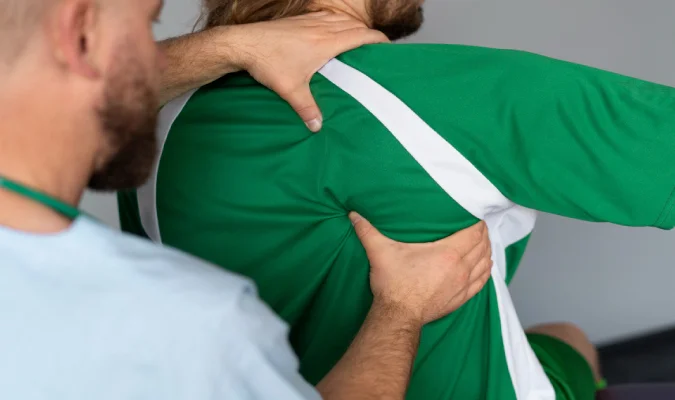
One way Chiropractic Care Helps after an accident is through an organized musculoskeletal evaluation.
The purpose is not to assume that the spine needs adjustment. It is to understand your symptoms, examine relevant findings, recognize possible warning signs, and discuss suitable options.
A clinician may review how the collision happened, where you feel discomfort, what activities have become difficult, and whether you have received emergency or other medical care.
What an Initial Evaluation May Include
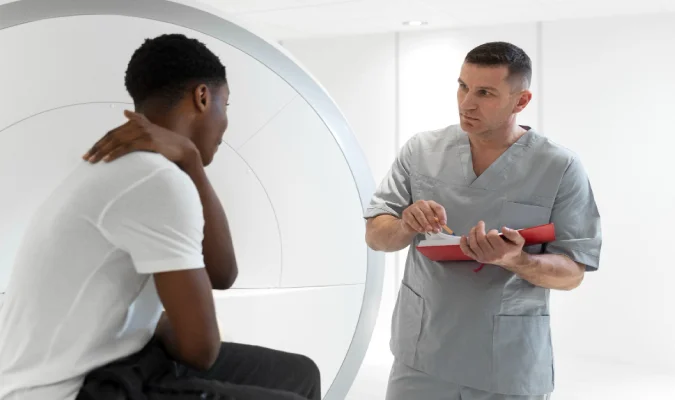
The appointment may involve a review of your health history, symptom timeline, current medications, and previous injuries. The chiropractor may assess comfortable movement and examine relevant muscles, joints, and neurological findings.
If you have emergency department records or imaging reports, those documents can provide useful context. Imaging is not automatically necessary for every patient; decisions should depend on clinical findings and applicable medical guidelines.
The examination should also consider whether a referral is appropriate.
For example, a patient with uncomplicated muscular discomfort may be offered conservative treatment, while someone with progressive weakness or concerning symptoms needs medical evaluation.
A useful first appointment ends with a clear explanation of what was found, what remains uncertain, and what happens next.
How Chiropractic Care Helps With Neck Stiffness and Whiplash-Related Complaints
Neck discomfort is a common reason people seek an evaluation after a collision.
Whiplash describes an injury associated with rapid movement of the head and neck. Symptoms may include pain, stiffness, reduced mobility, and headaches.
However, the word whiplash should not be used as a substitute for a proper assessment. Some symptoms can reflect injuries that need medical attention before manual treatment.
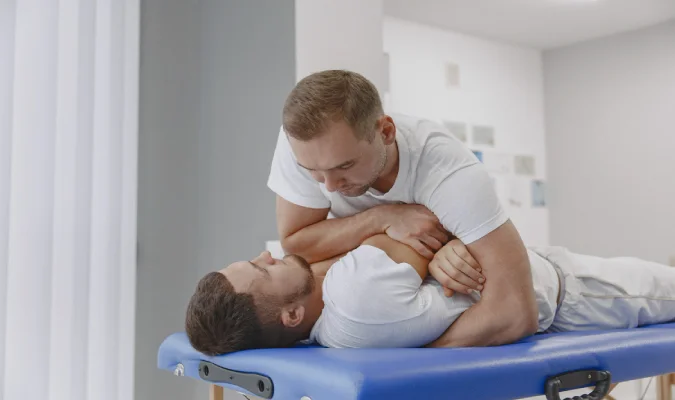
For selected patients, conservative care may include movement education, therapeutic exercises, activity guidance, and appropriate manual techniques.
Current recommendations for uncomplicated whiplash emphasize remaining appropriately active and gradually restoring normal movement. Prolonged immobilization is generally discouraged unless a clinician identifies a specific reason for it.
Cervical manipulation is not required for every patient with neck pain. Following trauma, the potential risks and contraindications must be considered carefully.
Read more about whiplash treatment in Portland.
How Chiropractic Care Helps Address Certain Back Pain Complaints
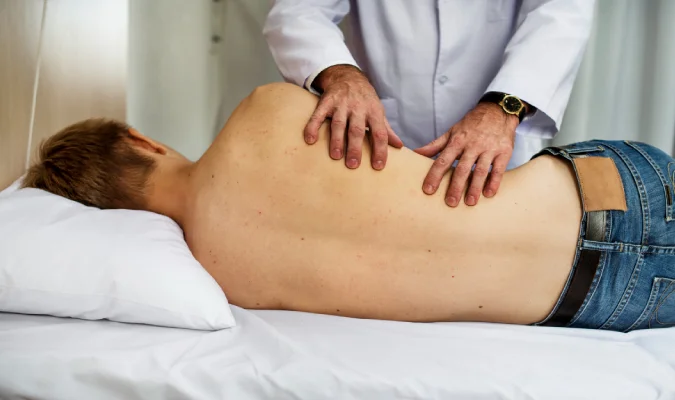
Back discomfort after a crash may affect the lower back, middle back, or the area between the shoulders.
For selected musculoskeletal conditions, a chiropractor may consider manual therapy alongside exercise, education, and advice about returning to normal activities.
The objective is not simply to make pain disappear during an appointment. It is to help patients work toward meaningful goals, such as walking comfortably, sitting longer, or returning to work.
For some people, gentle exercise and activity modification may be more appropriate than spinal manipulation.
Others may need a medical examination before any chiropractic treatment is considered.
Examples of Functional Goals
| Daily Activity | Common Difficulty | Possible Goal |
|---|---|---|
| Driving | Turning the neck | Improve safe mobility |
| Desk work | Sitting comfortably | Increase tolerance |
| Walking | Back discomfort | Gradually restore activity |
| Sleeping | Frequent interruptions | Improve comfort |
| Household tasks | Bending or reaching | Recover practical function |
| Exercise | Fear of aggravating symptoms | Resume suitable movement |
Progress should be assessed against the patient’s actual limitations rather than the number of adjustments performed.
For additional information, explore chiropractic care for back pain.
What Treatments Might Be Included in a Recovery Plan?
There is no universal chiropractic treatment plan for automobile accident injuries.
Recommendations depend on the examination, symptom severity, patient preferences, and whether other healthcare professionals need to be involved.
A plan may combine several conservative approaches.
Comparing Potential Care Options
| Option | Potential Purpose | Important Consideration |
|---|---|---|
| Patient education | Understand symptoms and recovery | Should be individualized |
| Therapeutic exercise | Support mobility and strength | Progress gradually |
| Activity guidance | Return to appropriate routines | Avoid unnecessary inactivity |
| Joint mobilization | Address selected movement restrictions | Requires clinical assessment |
| Spinal manipulation | Consider for selected joint-related symptoms | Not appropriate for everyone |
| Soft-tissue techniques | Complement other care | Benefits may vary |
| Medical referral | Investigate serious or unusual findings | Takes priority when indicated |
Some patients may receive a home exercise program without undergoing an adjustment. Others may be offered selected manual treatment as part of a broader plan.
The clinician should explain why each component is being recommended.
How Chiropractic Care Helps Support Movement and Daily Function
After an accident, people sometimes avoid movement because they are afraid of making the pain worse.
While certain injuries require restrictions, excessive inactivity can create additional difficulties for many uncomplicated musculoskeletal conditions.
An individualized plan may focus on gradually rebuilding tolerance for ordinary tasks.
For example, someone who struggles to sit through a workday may benefit from changing positions more frequently and following an appropriate exercise program. A patient with restricted neck movement may work toward comfortable, controlled motion before resuming demanding activities.
The pace should reflect the patient’s symptoms and examination findings.
This is one reason Chiropractic Care Helps most appropriately when it is connected to specific functional goals rather than a promise of instant relief.
You can learn about therapeutic exercise and how it may fit into conservative care.
When Should You Seek Emergency Medical Attention?
Chiropractic care does not replace emergency treatment.
After a collision, seek urgent medical attention for serious trauma or symptoms that may indicate a significant injury.
Warning signs include loss of consciousness, confusion, severe or worsening headache, new weakness, difficulty walking, or sudden neurological changes.
New bladder or bowel control problems, loss of sensation around the groin, or progressive weakness may indicate an emergency.
Chest pain, breathing difficulties, and other potentially serious symptoms also require prompt assessment.
Do not wait for a chiropractic appointment if these problems occur.
Even without emergency symptoms, persistent numbness, tingling, radiating pain, or worsening discomfort deserves timely evaluation.
The NHS guidance on whiplash provides additional information about symptoms and when to seek medical help.
Is It Better to Get Evaluated Soon After an Accident?
A timely evaluation can help clarify symptoms and identify concerns that need medical attention.
It may also establish an initial record of your complaints, limitations, and examination findings.
However, there is no evidence-based reason to promise that chiropractic treatment immediately after every crash prevents chronic pain.
The most important question is what kind of assessment your situation requires.
If you have emergency warning signs, seek urgent medical care. If you have non-emergency musculoskeletal symptoms, contact an appropriate healthcare provider and explain when the accident occurred.
If you initially felt fine but develop symptoms later, describe that timeline accurately rather than assuming the delay makes the symptoms unimportant.
What Should You Bring to Your First Chiropractic Appointment?
Being prepared can make the first consultation more productive.
If possible, bring identification, your automobile insurance information, and the date of the accident.
If you have already received medical attention, bring any available discharge instructions, imaging reports, or relevant clinical records.
It may also help to write down when symptoms began, what makes them better or worse, and which activities you are struggling with.
Accident Appointment Checklist
- Date and general circumstances of the collision.
- Current symptoms and when they started.
- Relevant medical history and medications.
- Emergency department or other medical records.
- Existing imaging reports, if available.
- Automobile insurance details.
- PIP claim number, if one has been assigned.
- Insurance adjuster contact information, if known.
- Questions about treatment options and costs.
You do not need to postpone necessary medical care until every document is available.
For an overview of the appointment process, see what to expect at a chiropractic appointment.
How Chiropractic Care Helps Document Accident-Related Progress
Accident-related care may involve both clinical records and communication with an insurance company.
Good documentation starts with an accurate history and examination. It can also include functional limitations, treatment recommendations, the patient’s response, and reasons for changing a plan.
These records help explain what care was provided and why it was considered appropriate.
They do not prove that every symptom was caused by the collision or guarantee that an insurer will approve a claim.
For patients, tracking progress can be useful even apart from insurance. If you could only sit for short periods at the first visit but can tolerate longer periods later, that is a meaningful functional change.
Likewise, worsening symptoms or a lack of progress may signal that the treatment plan needs to be reconsidered.
Does Oregon PIP Insurance Cover Chiropractic Care After a Crash?
Personal Injury Protection, commonly called PIP, is an important part of automobile insurance in Oregon.
For qualifying claims, PIP can help cover reasonable and necessary medical expenses related to an automobile accident.
Oregon’s minimum required PIP medical expense benefit is generally $15,000 per person, with qualifying expenses incurred within two years after the injury. A policy may provide higher limits.
PIP is generally considered no-fault coverage, but eligibility, policy conditions, documentation, and medical necessity still matter.
That means an insurer does not automatically pay for every chiropractic visit, adjustment, or exercise session.
Questions to Ask About PIP
Before beginning treatment, consider asking your insurer whether your claim is eligible, which benefits remain, and what information is needed to process medical bills.
You can also ask the clinic how it handles accident-related documentation and billing questions.
Keep copies of important correspondence and avoid assuming that a policy limit is the same as an approved treatment budget.
Read our Oregon PIP insurance guide for more details.
For the underlying rules, consult the Oregon Division of Financial Regulation’s automobile insurance FAQ.
How Long Does Recovery Take After a Car Accident?
There is no single recovery timeline.
Some people with uncomplicated musculoskeletal complaints improve over several weeks. Others experience symptoms that last longer, particularly when multiple injuries or other health factors are involved.
The type of collision alone cannot predict how long a person will need care.
An appropriate plan should be reviewed as the patient progresses.
What Progress May Look Like
Progress is not always a straight line. A patient may feel better on some days and experience temporary setbacks on others.
Rather than promising a specific number of visits, the clinician can assess changes in pain, mobility, sleep, work tolerance, and other practical measures.
If a patient is not improving, the next step may be to change the plan, seek another clinical opinion, or investigate a different explanation for the symptoms.
If functional goals have been met, continued treatment may no longer be necessary.
Choosing a Portland Chiropractor After an Accident
When searching for a chiropractor after a collision, look beyond location and advertising claims.
A good initial conversation should explain the evaluation process, how treatment recommendations are made, and what happens if the clinician identifies a problem outside the scope of chiropractic care.
Consider asking:
- Do you evaluate neck and back complaints after automobile accidents?
- How do you screen for conditions requiring medical referral?
- What happens during the first appointment?
- Are exercises or other alternatives available?
- How will you measure progress?
- How do you handle PIP documentation?
- Can I review the proposed treatment before agreeing?
- What should I do if my symptoms worsen?
You should feel comfortable discussing your concerns and declining any procedure you do not want.
How Chiropractic Care Helps Patients Make Informed Decisions
A helpful chiropractic consultation should leave you with a better understanding of your symptoms and choices.
You should know what the clinician believes may be contributing to your discomfort, what remains uncertain, and which treatment options are reasonable.
You should also understand when additional medical assessment is needed.
This is especially important after a car accident because different injuries can produce similar symptoms.
Chiropractic Care Helps most meaningfully when evaluation, treatment, education, and follow-up are connected to the patient’s needs rather than a fixed package of procedures.
Frequently Asked Questions About Chiropractic Care After a Car Accident
How Does Chiropractic Care Help After a Car Accident?
Chiropractic care may help selected patients by evaluating musculoskeletal complaints, recommending appropriate conservative treatment, and monitoring movement and functional progress.
Should I See a Chiropractor Immediately After a Car Accident?
Seek emergency medical care first for serious injuries or warning signs. For non-emergency neck or back complaints, arrange an appropriate clinical evaluation.
Can Chiropractic Care Help With Whiplash?
Selected patients may benefit from conservative care such as movement advice, exercises, and appropriate manual techniques. Treatment depends on the evaluation.
Is a Chiropractic Adjustment Always Necessary After a Crash?
No. Some patients may benefit from exercise, education, mobilization, or medical referral instead of spinal manipulation.
What Symptoms Should I Report After an Accident?
Report neck or back pain, headaches, stiffness, tingling, numbness, weakness, dizziness, and changes in daily function. Serious symptoms require medical attention.
Can Chiropractic Care Help With Lower Back Pain After a Collision?
It may be an option for selected musculoskeletal complaints after appropriate assessment. Benefits vary, and other treatments or medical evaluation may be needed.
How Many Chiropractic Visits Will I Need?
There is no standard number. Recommendations should depend on clinical findings, functional goals, response to care, and ongoing reassessment.
Does Oregon PIP Insurance Cover Chiropractic Treatment?
PIP may cover eligible, reasonable, and necessary accident-related services under the applicable policy. Payment for individual visits is not guaranteed.
What Should I Bring to My First Appointment?
Bring relevant medical records, current medication information, the accident date, insurance details, and a claim number if available.
Where Can I Request a Car Accident Chiropractic Evaluation in Portland?
Contact Northwest – Hinojosa Chiropractic at 503-512-7076 to ask about an evaluation. The clinic is located at 205 NE 181st Ave, Portland, OR 97230.
Request a Car Accident Chiropractic Evaluation in Portland
If a collision has left you with neck stiffness, back discomfort, or difficulty completing daily activities, an appropriate evaluation can help you understand the next steps.
Knowing how Chiropractic Care Helps after an accident also means understanding its limits: treatment should match your condition, safety comes first, and improvement should be measured through meaningful changes in function.
To ask about appointment availability or the information needed for an accident-related visit, contact:
Northwest – Hinojosa Chiropractic
205 NE 181st Ave, Portland, OR 97230
Phone: 503-512-7076
This article is educational and does not replace individualized medical advice. Seek urgent care for serious injuries or symptoms. Treatment results, appointment availability, and insurance coverage are not guaranteed.