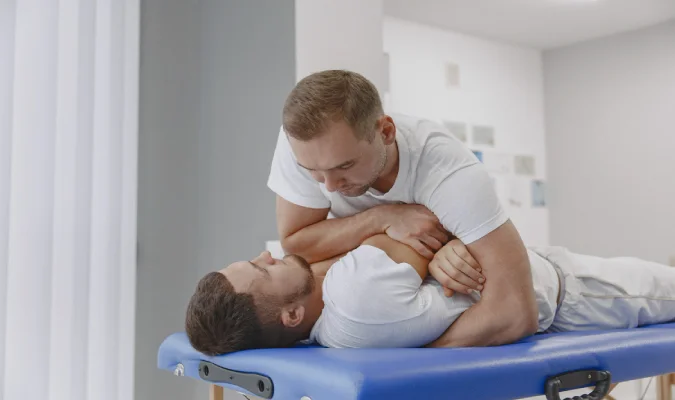


Chiropractic Adjustments may help some people manage back and neck pain, improve certain aspects of movement, and return more comfortably to everyday activities. If you are experiencing stiffness, restricted motion, or musculoskeletal discomfort after a car accident, understanding how chiropractic care works can help you decide whether to request an evaluation.
At Northwest Chiropractic in Portland, Oregon, patients can ask about chiropractic evaluations for back pain, neck discomfort, and accident-related musculoskeletal concerns.
An adjustment is not the right treatment for every patient or every injury. The first step is a careful assessment of your symptoms, health history, and potential risks.
Call 503-512-7076 to ask about scheduling a chiropractic evaluation at our Portland 97230 office.
What Are Chiropractic Adjustments
Chiropractic adjustments are manual procedures in which a trained practitioner applies a controlled force to a joint. Spinal manipulation is one type of adjustment, and different techniques may use different amounts of force.
The goal may be to address certain musculoskeletal symptoms or movement limitations. An adjustment does not necessarily mean that a vertebra was out of place or that treatment permanently corrects the underlying cause of pain.
Chiropractic Adjustment Compared With Other Approaches
| Approach | What It Involves | Important Consideration |
|---|---|---|
| Spinal manipulation | A controlled thrust applied to a spinal joint | Requires assessment of indications and risks |
| Spinal mobilization | Gentler movement within a joint’s natural range | May be considered as an alternative |
| Therapeutic exercise | Individualized movements to support strength and function | Must match the patient’s condition |
| Movement education | Guidance about daily activities and physical demands | May complement other care |
| Medical referral | Evaluation by another health professional | Important when symptoms suggest a different or serious condition |
These approaches are not interchangeable, and a clinician should explain why a particular option is being recommended.
How Chiropractic Adjustments May Help Back Pain
Lower back pain is one of the most common reasons people consider spinal manipulation.
According to the National Institutes of Health overview of spinal manipulation, research suggests that spinal manipulation may produce modest improvements in pain and function for some people with acute or chronic lower back pain.
The evidence does not show that every person will benefit, and spinal manipulation is only one of several treatment options.
What a Patient May Hope to Improve
- Comfort during ordinary movement.
- Ability to sit or stand for daily activities.
- Tolerance for walking and light activity.
- Certain limitations in back movement.
- Confidence in returning to appropriate physical activity.
These are possible treatment goals, not guaranteed results.
Back Pain Symptoms and Appropriate Next Steps
| Symptom | Why It Matters | Possible Next Step |
|---|---|---|
| Localized lower back discomfort | May involve musculoskeletal structures | Request a clinical evaluation |
| Stiffness with movement | May affect daily function | Discuss suitable treatment options |
| Pain after a car accident | Trauma may involve several types of injury | Obtain an appropriate assessment before manipulation |
| Pain radiating into a leg | May require neurological assessment | Tell the clinician about all associated symptoms |
| Progressive weakness or bowel or bladder changes | May indicate a serious condition | Seek urgent medical care |
For a more detailed discussion of this specific condition, read our article on back pain and chiropractic care in Portland.
Can Chiropractic Adjustments Help Neck Pain
Some studies suggest that spinal manipulation or mobilization may help selected patients with neck pain, although the quality and consistency of the evidence vary.
Neck treatment requires particular care because the cervical spine contains important neurological and vascular structures.
Chiropractic Adjustments involving the neck should only be considered after a suitable evaluation and a discussion of potential risks and alternatives.
Common Neck Pain Concerns
Patients may report:
- Stiffness when turning the head.
- Discomfort during desk work or driving.
- Reduced range of motion.
- Muscle tightness around the shoulders.
- Neck discomfort after an accident.
- Symptoms that interfere with sleep or daily activities.
These symptoms do not establish a diagnosis by themselves.
For more information about this topic, visit our article on chiropractic for neck pain.
When Neck Symptoms Require Medical Attention
Seek urgent medical assessment for sudden severe headache or neck pain, new weakness, trouble speaking, facial drooping, significant dizziness with neurological symptoms, or other signs of a possible stroke.
After a collision, severe pain, loss of consciousness, or new neurological symptoms also require prompt medical evaluation.
Chiropractic Adjustments After a Car Accident
A vehicle collision can involve rapid movement and physical forces that affect the neck, back, and other parts of the body.
Some people notice discomfort immediately. Others become aware of symptoms later.
A chiropractor may evaluate certain musculoskeletal complaints after an accident, but a recent traumatic injury can change which procedures are appropriate.
Steps to Take Before Considering an Adjustment After a Crash
- Check for emergency symptoms. Seek urgent care for serious injuries or neurological warning signs.
- Explain how the collision occurred. Include the date and relevant details.
- Describe every symptom. Mention pain, stiffness, headaches, numbness, weakness, and dizziness.
- Share previous medical findings. Bring reports or imaging results when available.
- Ask about treatment suitability. Confirm whether manipulation is appropriate for your condition.
- Discuss alternatives. Some patients may need a different approach or referral.
What Your Chiropractor May Evaluate
| Area | Example of an Assessment | Why It Matters |
|---|---|---|
| Health history | Previous injuries, conditions, and medications | Helps identify potential risks |
| Accident history | Type of collision and symptom onset | Provides clinical context |
| Movement | Range of motion and symptom response | Helps assess functional limitations |
| Neurological findings | Strength, sensation, and other relevant tests | May identify a need for further assessment |
| Treatment suitability | Indications and contraindications | Helps guide an individualized plan |
If your symptoms began after a collision, learn more about our chiropractic care for car accident injuries in Portland.
Call Northwest Chiropractic at 503-512-7076 to ask about an accident-related evaluation and current appointment availability.
What Happens During a Chiropractic Adjustment Appointment
An appointment should begin with an understanding of the patient’s symptoms and clinical needs.
A chiropractor may ask about the location of pain, previous injuries, current medications, medical conditions, and treatment goals.
An adjustment should not be automatic simply because someone has back or neck discomfort.
Typical Stages of a Chiropractic Visit
- Discuss your symptoms and medical history. Explain what brought you to the clinic.
- Complete an appropriate examination. The chiropractor evaluates relevant findings.
- Review the assessment. Ask what the findings suggest and whether further testing is needed.
- Discuss treatment options. Understand the proposed technique and alternatives.
- Review benefits and risks. Ask about possible side effects and contraindications.
- Decide on the next step. Proceed only when the proposed care is appropriate and you understand it.
- Discuss follow-up. Ask how progress will be assessed and when the plan should be reconsidered.
Questions to Ask Before an Adjustment
- Why do you recommend this technique for my symptoms?
- What benefits are reasonably possible?
- What are the risks and common side effects?
- Is there a gentler alternative?
- Would exercise or another approach be more suitable?
- Do my medical conditions or medications affect the decision?
- When should I seek further medical evaluation?
Are Chiropractic Adjustments Safe
Spinal manipulation can cause temporary side effects, including soreness, increased discomfort, stiffness, or headache.
Serious adverse events are uncommon, but they have been reported. For cervical manipulation, rare vascular complications are an important part of an informed discussion.
The National Institutes of Health advises patients to share their health conditions and medications and to understand the potential risks before receiving spinal manipulation.
Safety Considerations Before Treatment
| Consideration | Why You Should Mention It |
|---|---|
| Recent accident or significant trauma | Some injuries require evaluation before manual treatment |
| Osteoporosis or suspected fracture | Bone health can affect treatment suitability |
| Neurological symptoms | May indicate a condition needing medical assessment |
| Blood-thinning medication | Can be relevant to procedural risk |
| Previous spinal surgery | May change treatment decisions |
| Sudden severe headache or unusual neck pain | Can indicate a serious condition |
| Pregnancy | Requires individualized discussion of appropriate care |
The safest plan is one based on your actual clinical findings, not a predetermined number of adjustments.
Who Regulates Chiropractic Practice in Oregon
Chiropractic practice in Oregon is regulated by the Oregon Board of Chiropractic Examiners.
The board describes the state’s chiropractic scope of practice and identifies relevant professional rules.
You can review the official Oregon chiropractic scope of practice to understand how the profession is regulated.
Why Professional Regulation Matters
- Chiropractors must meet applicable licensing requirements.
- Professional practice is subject to state laws and rules.
- Patients can consult public information about professional credentials.
- Practitioners must work within the scope permitted by Oregon law.
- Professional regulation does not guarantee a particular clinical outcome.
The board is a governmental regulator, not an organization endorsing Northwest Chiropractic or any specific clinic.
Chiropractic Adjustments and Therapeutic Exercise
Chiropractic care does not always consist of adjustments alone.
For some musculoskeletal conditions, individualized exercise and movement education may be considered alongside other appropriate interventions.
The right combination depends on the patient’s symptoms, health history, and functional goals.
How Exercise May Complement Care
| Treatment Component | Potential Goal | Important Limitation |
|---|---|---|
| Chiropractic adjustment | Address selected musculoskeletal symptoms | Not appropriate for every patient |
| Mobility exercises | Support comfortable movement | Must be tailored to the condition |
| Strengthening exercises | Build tolerance for physical activities | Progression should be individualized |
| Activity guidance | Help manage daily physical demands | Depends on the diagnosis |
| Follow-up evaluation | Reassess symptoms and function | May lead to a revised plan |
Northwest Chiropractic provides information about therapeutic exercise services that may be relevant to an individualized care plan.
Everyday Habits Worth Discussing
- Changing positions during prolonged sitting.
- Returning gradually to suitable physical activities.
- Using comfortable work and driving positions.
- Avoiding movements that provoke significant symptoms.
- Following individualized exercise instructions.
- Reporting new or worsening symptoms promptly.
These suggestions are general and may not be appropriate after an acute injury without clinical guidance.
How Many Chiropractic Adjustments Will I Need
There is no universal number of visits that works for every patient.
Some conditions may be managed over a short period, while others require a different plan or referral.
The decision should depend on the clinical findings, the patient’s response, and the goals of care.
Factors That May Affect a Treatment Plan
| Factor | Possible Influence |
|---|---|
| Type of condition | Different conditions may need different approaches |
| Duration of symptoms | Recent and persistent symptoms can require different strategies |
| Injury history | Previous trauma may affect evaluation and care |
| Functional limitations | Treatment goals may focus on specific daily activities |
| Response to care | Lack of improvement may require reassessment |
| Patient preferences | Shared decision-making should guide care |
A clinic should explain how progress will be measured rather than promise that a fixed number of visits will resolve your symptoms.
Chiropractic Adjustments for Persistent Back and Neck Discomfort
Persistent discomfort can affect sleep, work, exercise, and other activities.
A longer-lasting problem may involve several contributing factors, and treatment sometimes requires more than one approach.
For additional context about longer-term symptoms, see our article on chronic pain and chiropractic care.
Chiropractic Adjustments may be one component of care for selected patients, but persistent or worsening symptoms deserve reassessment.
When to Reconsider a Treatment Plan
You should ask for a reassessment when:
- Pain becomes more intense.
- New symptoms appear.
- Daily function worsens.
- Treatment is not producing the expected progress.
- You are unsure why a particular procedure is being repeated.
- You would like to explore other treatment options.
A referral to another healthcare professional may be appropriate.
Why Consider Northwest Chiropractic in Portland
Northwest Chiropractic offers an option for patients seeking evaluation of back pain, neck discomfort, and certain accident-related musculoskeletal symptoms.
Our Portland location can be convenient for people living or working near the 97230 area.
When you call, you can ask about the initial evaluation, available appointments, what to bring, and how billing procedures are explained.
Preparing for Your First Visit
Bring relevant information such as:
- A list of your current symptoms.
- The date your symptoms began.
- Details of any recent accident.
- Relevant medical reports.
- Current medications and health conditions.
- Insurance information, if applicable.
- Questions about possible treatment and costs.
Contact Northwest Chiropractic
Northwest Chiropractic
205 NE 181st Ave
Portland, OR 97230
Phone 503-512-7076
Call to check appointment availability and request an evaluation for back or neck discomfort.
Frequently Asked Questions About Chiropractic Adjustments
What Are Chiropractic Adjustments
They are manual procedures that apply controlled force to selected joints. Spinal manipulation is one type of chiropractic adjustment.
Can Chiropractic Adjustments Relieve Lower Back Pain
They may provide modest improvements in pain or function for some patients. Results vary, and the procedure is not suitable for every condition.
Can Chiropractic Adjustments Help Neck Pain
Some evidence supports spinal manipulation or mobilization for selected neck pain conditions, but the evidence has limitations and cervical procedures require careful risk assessment.
Do Chiropractic Adjustments Hurt
Some people experience discomfort during or after treatment. Temporary soreness, stiffness, or headache can occur.
Are Chiropractic Adjustments Safe After a Car Accident
Not automatically. A recent collision may involve injuries that need medical evaluation before manipulation is considered.
Will I Feel Better After My First Adjustment
There is no guaranteed response. Some patients may notice changes, while others may not benefit or may experience temporary soreness.
How Many Chiropractic Adjustments Do I Need
The number of visits depends on your condition, examination findings, goals, and response to care. A fixed schedule is not appropriate for everyone.
Do Chiropractic Adjustments Require X-Rays
Not every patient needs imaging. A clinician should decide whether imaging or another medical assessment is indicated.
Can Chiropractic Adjustments Be Combined With Exercise
They may be combined with individualized therapeutic exercise when appropriate for the patient’s condition.
How Do I Find a Licensed Chiropractor in Oregon
The Oregon Board of Chiropractic Examiners provides public licensing information and resources for patients.
Request a Chiropractic Evaluation in Portland 97230
If back or neck discomfort is interfering with your daily activities, understanding your options is a useful first step.
Chiropractic Adjustments may be appropriate for certain musculoskeletal concerns, but a clinical evaluation is necessary before deciding on treatment.
At Northwest Chiropractic, you can ask about chiropractic services, appointment availability, and the information needed for your first visit.
Northwest Chiropractic
205 NE 181st Ave
Portland, OR 97230
Call 503-512-7076 to request your chiropractic evaluation.
This article is for general educational purposes and does not replace individualized medical advice. Chiropractic adjustments are not appropriate for every condition, and no particular outcome is guaranteed. Seek urgent medical attention for severe trauma, progressive neurological symptoms, or other emergency warning signs.