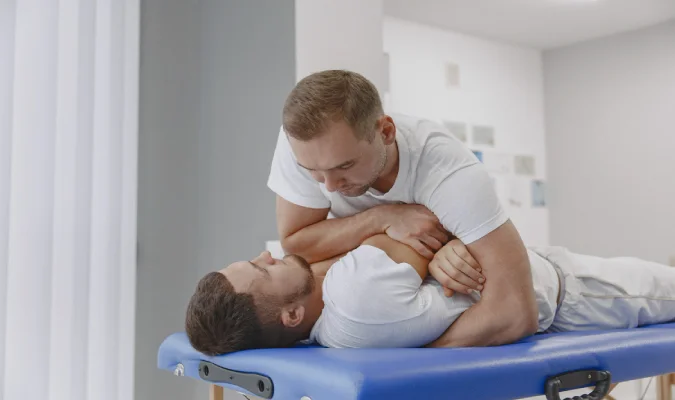


Whiplash recovery after car accident injuries is a common concern for people experiencing neck pain, stiffness, headaches, or shoulder discomfort following a collision in Portland or Gresham. Some symptoms appear immediately, while others develop hours or days later. Understanding how whiplash recovery works, how long symptoms may last, and when to seek medical attention can help you make informed decisions about your health.
Most people with whiplash improve over time, but recovery varies. Some feel better within a few weeks, while others experience symptoms for several months or longer. An appropriate medical evaluation can help identify injuries that need further testing and determine which treatment options may be suitable.
At Northwest – Hinojosa Chiropractic, we welcome patients from Portland, Gresham, and surrounding Oregon communities experiencing accident-related musculoskeletal concerns. Our team can discuss your symptoms, evaluate whether chiropractic care is appropriate, and help you understand the first appointment process.
Dealing with neck pain after a collision? Call 503-512-7076 to ask about scheduling an evaluation.
What Is Whiplash After a Car Accident?
Whiplash is a neck injury associated with a sudden back-and-forth or sideways movement of the head and neck.
It often occurs during rear-end automobile collisions, but it can also happen in other types of crashes, falls, or sports injuries.
The sudden movement may affect muscles, ligaments, joints, and other structures in the neck.
Not every person with neck pain after a collision has whiplash, and not every whiplash injury has the same severity.
A healthcare professional should evaluate symptoms and determine whether additional testing or treatment is necessary.
Common Whiplash Symptoms After a Car Accident
Whiplash symptoms can vary from one person to another.
The following table explains common complaints and why they deserve attention.
| Symptom | What You May Notice | What to Consider |
|---|---|---|
| Neck pain | Soreness when moving or resting | Seek evaluation if new, persistent, or worsening |
| Neck stiffness | Difficulty turning your head | Movement limitations may affect driving and work |
| Headaches | Pain that develops after the collision | Some headaches require urgent medical assessment |
| Shoulder or upper back discomfort | Tightness or soreness around the shoulders | Symptoms may have different causes |
| Muscle spasms | Involuntary tightening of neck muscles | Discuss persistent symptoms with a provider |
| Dizziness | Lightheadedness or problems with balance | May require medical evaluation beyond chiropractic care |
| Tingling or numbness | Altered sensation in the arms or hands | Requires prompt assessment, especially if worsening |
The NHS guidance on whiplash identifies neck pain, stiffness, headaches, and shoulder or arm discomfort among common symptoms.
Can Whiplash Symptoms Be Delayed?
Yes. Whiplash-related discomfort may begin several hours after a collision, and some people notice symptoms the following day.
Delayed pain does not prove that the injury is minor.
If new symptoms develop, especially headaches, dizziness, weakness, or altered sensation, seek appropriate medical advice.
Can Whiplash Cause Headaches and Dizziness?
Headaches and dizziness can occur after a neck injury, but they are not specific to whiplash.
They can also be associated with concussion or other medical conditions.
A severe or worsening headache, significant confusion, fainting, or new neurological symptoms requires urgent medical evaluation.
Whiplash Recovery After Car Accident Injuries
There is no single recovery timeline that applies to every patient.
The severity of symptoms, individual health factors, associated injuries, and clinical findings can affect recovery.
According to NHS Inform’s whiplash guidance, symptoms often improve over the first several weeks, with many people recovering within two to three months. Some people need longer.
Typical Whiplash Recovery Timeline
| Recovery Period | What Some Patients Experience | Recommended Approach |
|---|---|---|
| First 24–72 hours | Neck soreness or stiffness may develop or increase | Seek appropriate assessment and watch for warning signs |
| First 1–2 weeks | Symptoms may begin to improve, although discomfort can continue | Follow individualized advice and remain gently active when safe |
| Weeks 3–6 | Many patients notice gradual improvement in movement and daily activities | Reassess if symptoms persist or progress is limited |
| Months 2–3 | Many people have substantially improved | Discuss ongoing symptoms with a healthcare professional |
| Beyond 3 months | Some patients continue experiencing discomfort or limitations | Consider further evaluation and an updated management plan |
These periods are general descriptions, not deadlines or guaranteed recovery milestones.
How Long Does Whiplash Take to Heal?
Many people recover within weeks to a few months.
However, some experience persistent pain, stiffness, headaches, or functional limitations.
Your recovery should be assessed based on symptoms, daily activities, and clinical findings rather than a fixed number of days.
Why Does Whiplash Recovery Take Longer for Some People?
Recovery may be influenced by several factors, including:
- The nature and severity of the injury
- Initial pain and movement limitations
- Other injuries sustained during the collision
- Previous neck problems
- Sleep difficulties
- Stress and emotional effects of the accident
- Individual health circumstances
Persistent symptoms do not necessarily mean permanent damage, but they should be reassessed rather than ignored.
What Helps Whiplash Recovery After a Car Accident?
For uncomplicated whiplash, clinical guidance generally favors a gradual return to normal movement and activity as tolerated, rather than prolonged immobilization.
However, the appropriate approach depends on your condition and whether serious injuries have been excluded.
Stay Gently Active When It Is Safe
Once a healthcare professional has determined that movement is appropriate, gentle daily activity may help maintain mobility.
Avoid forcing painful movements or returning immediately to activities that may worsen an injury.
Avoid Prolonged Neck Immobilization Without Medical Advice
Routine long-term use of a soft neck collar is generally not recommended for uncomplicated whiplash.
A collar may occasionally be needed for specific injuries, so follow individualized medical instructions.
Follow an Appropriate Exercise Plan
Gentle neck and shoulder exercises may be recommended after evaluation.
The type, frequency, and intensity should be appropriate for your symptoms.
Stop and seek advice if an exercise produces significant worsening, weakness, or neurological symptoms.
Manage Pain With Professional Guidance
A healthcare professional may discuss suitable pain-management options, including medication when appropriate.
Do not take medications that may be unsafe for your medical history or interact with other treatments.
Monitor Your Symptoms and Daily Function
Consider keeping brief notes about:
- Neck pain and stiffness
- Headache frequency
- Sleep quality
- Ability to turn your head
- Driving and work-related limitations
- Activities that improve or worsen symptoms
These details can help your healthcare provider assess progress.
When Should You Seek Medical Attention for Whiplash?
A medical evaluation is appropriate when symptoms develop after a collision, persist, or worsen.
Certain warning signs require more urgent attention.
Whiplash Symptoms That Need Emergency Care
Seek emergency medical attention for:
- Severe or worsening headache
- Significant confusion or loss of consciousness
- New or progressive weakness
- Difficulty walking or maintaining balance
- Severe neck pain after significant trauma
- Loss of bladder or bowel control
- Repeated vomiting after a possible head injury
- Difficulty speaking or other sudden neurological changes
If you believe you have a medical emergency, call 911.
When to Get Reassessed if Neck Pain Continues
Contact an appropriate healthcare professional if:
- Your symptoms are not improving
- Pain interferes with sleep or everyday activities
- Neck movement remains significantly restricted
- You develop new symptoms
- Your recovery appears to have stalled
A follow-up evaluation can help determine whether the original diagnosis and care plan remain appropriate.
Can Chiropractic Care Help With Whiplash Recovery?
Chiropractic care may be considered for some musculoskeletal symptoms associated with whiplash after an appropriate evaluation.
Whether it is suitable depends on the patient’s medical history, symptoms, examination findings, and possible contraindications.
Chiropractic treatment is not appropriate for every neck injury, and no treatment can guarantee a particular recovery time.
What Happens During a Whiplash Chiropractic Evaluation?
Your chiropractor may:
- Review how the collision occurred.
- Discuss when your symptoms began.
- Ask about previous neck injuries and medical conditions.
- Assess appropriate neck and shoulder movements.
- Perform relevant musculoskeletal and neurological screening.
- Explain whether additional testing or referral is needed.
- Discuss suitable treatment options, risks, and alternatives.
An adjustment should not be automatic after a car accident.
For a detailed explanation of the appointment process, read what to expect at your first chiropractor visit after a car accident.
What Treatments May Be Considered for Whiplash?
Depending on the clinical findings, a care plan may involve:
- Appropriate manual or chiropractic treatment
- Therapeutic exercises
- Gentle mobility recommendations
- Activity modifications
- Periodic reassessment
- Referral for other medical services when indicated
The plan should be individualized, and patients should understand the potential benefits, risks, and alternatives.
Is Chiropractic Treatment Appropriate for Every Whiplash Injury?
No.
Some patients need emergency care, imaging, medical treatment, or evaluation by another healthcare professional.
Your chiropractor should determine whether treatment is appropriate before proceeding, especially when significant trauma or neurological symptoms are involved.
To learn more about our services, visit the main whiplash treatment in Portland page.
Whiplash Recovery After Car Accident Injuries and Daily Activities
Neck pain can affect ordinary activities long after the collision itself.
Recovery is not only about a pain score. It also involves returning safely to everyday tasks.
Can You Drive With Whiplash?
Do not drive if pain, stiffness, dizziness, medication effects, or restricted neck movement prevent you from controlling the vehicle safely.
You should be able to check mirrors and blind spots without unsafe limitations.
Ask your healthcare provider when driving is appropriate if symptoms interfere with these tasks.
Can You Work While Recovering From Whiplash?
Some people can continue working with temporary modifications.
Others may need adjustments to lifting, prolonged sitting, computer use, or other activities.
The appropriate approach depends on your symptoms and job demands.
How Should You Sleep With Whiplash?
Try to maintain a comfortable, supported neck position.
Avoid positions that significantly increase symptoms.
If sleep problems continue, discuss them with your healthcare provider.
Oregon PIP Insurance and Whiplash Treatment After a Car Accident
Whiplash-related healthcare expenses may raise questions about Oregon Personal Injury Protection insurance, commonly called PIP.
According to the Oregon DMV Driver Manual, Oregon’s minimum PIP coverage is $15,000 per person for qualifying reasonable and necessary expenses within two years after the injury, subject to applicable requirements.
Coverage for individual chiropractic services is not automatic.
The insurer must determine eligibility and payment under the applicable policy and law.
What Insurance Information Should You Bring?
| Information | Why It May Be Helpful |
|---|---|
| Automobile insurer | Identifies the insurance company |
| Policy number | Supports administrative questions |
| PIP claim number, if available | Connects records to an existing claim |
| Accident date | Provides relevant background |
| Previous medical records | Helps document earlier assessments |
| Symptom history | Helps explain how your condition has changed |
If you do not have a claim number, contact your insurer to ask how to report the accident.
For more information, visit our Oregon PIP insurance guide.
Questions about your first appointment or accident-related documentation? Call 503-512-7076.
Whiplash Chiropractic Care in Portland and Gresham
If you are experiencing neck pain or stiffness after a collision, choosing the right healthcare provider is an important decision.
At Northwest – Hinojosa Chiropractic, we welcome patients from Portland, Gresham, and nearby Oregon communities seeking an evaluation for accident-related musculoskeletal symptoms.
Whiplash Treatment Options in Portland
Our East Portland clinic evaluates patients with appropriate musculoskeletal concerns after automobile collisions.
We emphasize individualized assessments, clear explanations, and informed treatment decisions.
Learn more about our whiplash treatment services in Portland.
Chiropractic Appointments for Gresham Patients
Patients from Gresham can contact our East Portland office for directions, scheduling information, and questions about preparing for an appointment.
Car Accident Injury Care and Documentation
Our team can explain what information may be needed for accident-related registration and treatment records.
Insurance coverage and payment decisions remain subject to the applicable insurer.
You can also explore our broader car accident chiropractic care services.
Frequently Asked Questions About Whiplash Recovery After a Car Accident
How Long Does Whiplash Recovery After a Car Accident Take?
Many people improve within a few weeks to two or three months, although some have symptoms for longer. Recovery depends on the injury, individual health factors, and clinical findings.
Can Whiplash Symptoms Start Days After a Car Accident?
Yes. Neck pain and stiffness can appear hours or days after a collision. New or worsening symptoms should be evaluated rather than automatically attributed to whiplash.
Does Whiplash Always Require Chiropractic Treatment?
No. Not everyone with whiplash needs chiropractic care. Treatment depends on the diagnosis, symptoms, medical history, and whether chiropractic treatment is appropriate.
Can Whiplash Cause Headaches?
Yes, headaches can occur with whiplash, but they can also indicate other conditions. Severe or worsening headaches, especially with neurological symptoms, require urgent medical attention.
Is It Better to Rest or Stay Active With Whiplash?
For uncomplicated whiplash, gradual movement and a return to normal activities as tolerated are generally recommended after appropriate assessment. Prolonged immobilization is usually discouraged unless specifically prescribed.
What If Whiplash Pain Lasts More Than Six Weeks?
If symptoms persist, worsen, or limit everyday activities, seek reassessment. Your healthcare provider may review the diagnosis, treatment plan, and need for additional testing or referral.
Can Oregon PIP Insurance Cover Whiplash Chiropractic Care?
Eligible accident-related chiropractic services may qualify for Oregon PIP benefits, depending on the policy and applicable requirements. Confirm coverage with your insurer.
Can Patients From Gresham Schedule a Whiplash Evaluation?
Yes. Northwest – Hinojosa Chiropractic welcomes patients from Gresham and surrounding communities at its East Portland location.
Schedule a Whiplash Evaluation in Portland
Understanding whiplash recovery after car accident injuries can help you recognize symptoms, ask informed questions, and seek the appropriate type of care.
If you are dealing with neck pain, stiffness, or other musculoskeletal concerns after a collision, Northwest – Hinojosa Chiropractic welcomes you to contact our office.
We serve patients from Portland, Gresham, and nearby Oregon communities.
Our team can answer questions about appointment preparation and treatment-related documentation.
Northwest – Hinojosa Chiropractic
205 NE 181st Ave
Portland, OR 97230
Call 503-512-7076 to Ask About Scheduling a Whiplash Evaluation
Explore our whiplash treatment in Portland page or visit the Northwest Chiropractic homepage to learn more about the clinic.
Medical and insurance disclaimer — This article provides general educational information and does not replace professional medical advice, diagnosis, or treatment. Some symptoms after a collision require emergency medical care. Chiropractic treatment is not appropriate for every injury. Insurance coverage and payment depend on individual circumstances and applicable requirements.