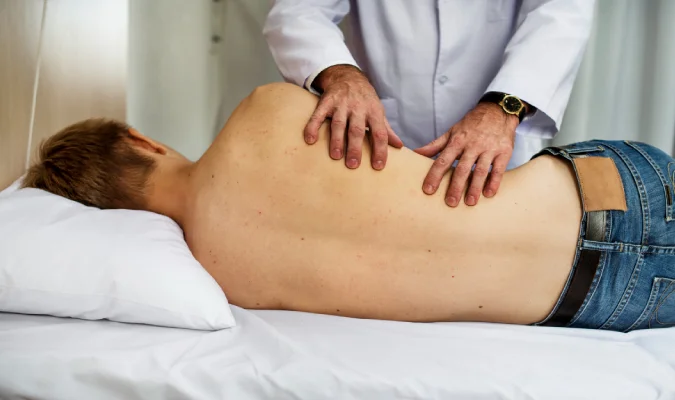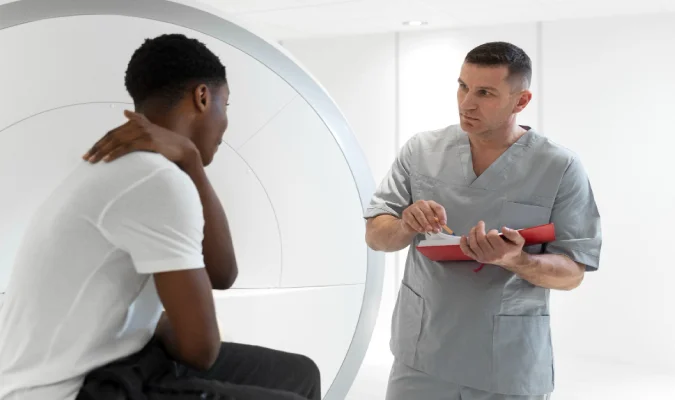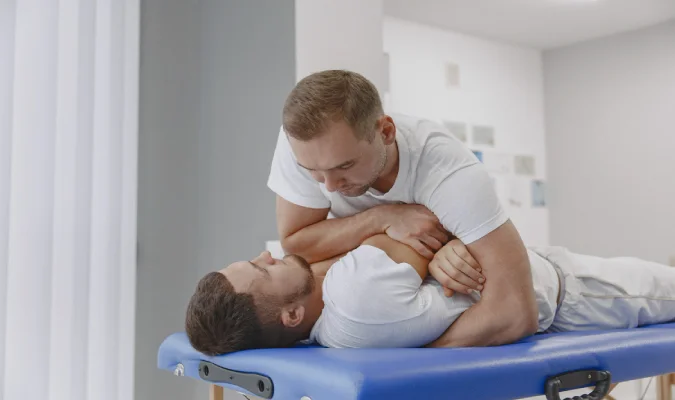


Choose Chiropractic Care when you want to explore whether a conservative, non-surgical approach may be appropriate for certain types of back pain, neck discomfort, or movement limitations. Chiropractic treatment is one option for selected musculoskeletal concerns, but the right decision depends on your symptoms, health history, examination findings, and personal preferences.
For people recovering from a car accident, the decision requires additional care. A collision can cause injuries that need medical assessment before any manual treatment is considered.
At Northwes – Hinojosa Chiropractic in Portland, Oregon, you can ask about an evaluation for musculoskeletal symptoms, including concerns that began after a vehicle collision.
Call 503-512-7076 to inquire about an evaluation at our Portland 97230 location.
Why Do People Choose Chiropractic Care
People consider chiropractic care for different reasons. Some want an evaluation of recurring back discomfort. Others have neck stiffness, difficulty moving comfortably, or symptoms after a physical injury.
Chiropractic care commonly focuses on the musculoskeletal system, including joints, muscles, and spinal movement.
An appropriate evaluation helps determine whether chiropractic treatment, another conservative approach, or a referral may be more suitable.
Common Reasons to Consider a Chiropractor
| Reason | What a Patient May Be Experiencing | Appropriate Next Step |
|---|---|---|
| Lower back discomfort | Pain during sitting, standing, or movement | Request an assessment of symptoms |
| Neck stiffness | Difficulty turning the head comfortably | Discuss possible causes and warning signs |
| Movement limitations | Reduced tolerance for everyday activities | Review functional goals |
| Accident-related symptoms | New discomfort after a vehicle collision | Obtain appropriate injury evaluation |
| Persistent musculoskeletal pain | Symptoms that continue or return | Consider reassessment and available options |
| Questions about manual treatment | Interest in non-surgical approaches | Discuss benefits, risks, and alternatives |
Not every symptom listed above can be treated effectively with chiropractic care, and some conditions require medical evaluation.
Seven Reasons to Consider Chiropractic Care in Portland
There are several practical reasons a person may explore chiropractic treatment. These are considerations for making an informed decision, not promises of a specific result.
1 A Conservative Approach to Selected Musculoskeletal Problems
Chiropractic care may offer a non-surgical option for certain musculoskeletal conditions.
This does not mean surgery or medication is unnecessary for every patient. Some conditions respond best to other treatments, and serious injuries require appropriate medical care.
2 An Evaluation of Back and Neck Symptoms
A chiropractor can review the history of symptoms, examine relevant movement and function, and consider whether chiropractic treatment is appropriate.
An evaluation should also identify situations in which another healthcare professional is needed.
3 Attention to Movement and Daily Function
Pain can make it harder to drive, work, walk, or complete household activities.
Treatment goals may include improving tolerance for daily tasks or addressing movement restrictions, depending on the patient’s condition.
4 Discussion of Manual Treatment Options
Some patients may be candidates for spinal manipulation or mobilization.
These procedures have different techniques, indications, and risks. They should not be performed automatically or without informed consent.
5 Opportunities to Include Therapeutic Exercise
Individualized exercises may be considered to support mobility, strength, and functional goals.
The exercises should reflect the patient’s examination findings and stage of recovery.
6 A Plan That Can Be Reassessed
Symptoms and function should be reviewed during care.
If progress is limited or new problems appear, the plan may need to change or a referral may be appropriate.
7 A Chance to Make an Informed Healthcare Decision
A good clinical discussion allows patients to understand possible benefits, limitations, risks, and alternatives.
You should never feel that a particular procedure is mandatory simply because you scheduled a visit.
Chiropractic Care Compared With Other Options
Choosing a healthcare approach should begin with the nature of the problem, not with the assumption that one treatment works for everyone.
Some conditions may benefit from conservative management, while others require medical investigation or specialized care.
Comparing Common Approaches
| Option | What It May Involve | Important Consideration |
|---|---|---|
| Chiropractic care | Assessment and selected manual or exercise-based interventions | Suitability depends on the condition |
| Physical therapy | Exercise, rehabilitation, and other therapeutic methods | Treatment plans vary |
| Primary medical care | Diagnosis, medical management, and referrals | Important for unclear or complex symptoms |
| Medication | Symptom management when medically appropriate | Benefits and side effects require consideration |
| Specialist care | Evaluation of specific or serious conditions | May be necessary for certain findings |
| Emergency care | Immediate assessment of potentially serious injuries | Required for emergency warning signs |
These approaches can sometimes complement one another. They are not always competing alternatives.
When to Choose Chiropractic Care for Back Discomfort
Lower back discomfort is a common reason people explore chiropractic treatment.
Symptoms may be related to different musculoskeletal conditions, but pain location alone does not establish a diagnosis.
For selected patients, spinal manipulation may be one option among several conservative treatments. The potential benefits are generally modest and vary between individuals.
Back Pain Questions Worth Asking
- When did the discomfort begin?
- Did it follow an accident, fall, or physical activity?
- Does the pain travel into a leg?
- Are there changes in strength or sensation?
- Which daily activities are affected?
- What treatments have already been tried?
- Are there medical conditions that affect treatment choices?
For a closer look at this symptom, read our guide to lower back discomfort and possible care approaches.
Back Pain Warning Signs
Seek urgent medical evaluation if back pain is accompanied by new loss of bowel or bladder control, numbness around the groin or saddle area, progressive leg weakness, or other serious neurological symptoms.
These signs should not be managed through a routine chiropractic appointment.
Considering Chiropractic Care for Neck Pain
Neck discomfort may involve stiffness, reduced motion, or muscle tenderness.
Some patients ask about spinal manipulation or mobilization, but the cervical spine requires careful assessment because certain conditions make manual procedures inappropriate.
Sudden severe neck pain or headache, especially with neurological symptoms, requires urgent medical evaluation.
Important Questions Before Neck Treatment
| Question | Why It Matters |
|---|---|
| Did symptoms begin after a collision | Recent trauma can change treatment suitability |
| Are there headaches or dizziness | Some presentations require further medical assessment |
| Is there arm weakness or numbness | Neurological symptoms need evaluation |
| Are there previous cervical injuries | Medical history affects clinical decisions |
| What technique is proposed | Different manual approaches have different risks |
| Are alternatives available | Supports informed consent |
To understand the procedures rather than the decision to seek care, visit our explanation of spinal adjustment techniques and safety considerations.
Why Consider a Chiropractic Evaluation After a Car Accident
A car accident can cause symptoms involving the neck, back, shoulders, and other areas.
Some discomfort may begin immediately, while other symptoms develop later.
However, it is not possible to determine the severity of an injury based only on the presence or absence of pain.
A recent collision may require medical assessment before manual treatment, especially if the person has severe pain, neurological symptoms, or other warning signs.
Steps After a Vehicle Collision
- Check for emergency symptoms. Seek immediate medical care for severe trauma, loss of consciousness, significant weakness, or other serious concerns.
- Record your symptoms. Note when they started and how they change.
- Share the accident details. Explain the type of collision and any previous medical care.
- Gather relevant records. Keep emergency department reports, imaging results, and insurance information when available.
- Request an appropriate evaluation. Ask whether your symptoms need medical investigation before chiropractic treatment.
- Discuss the options. Understand the benefits, risks, alternatives, and proposed follow-up.
- Monitor your condition. Seek reassessment if symptoms worsen or new problems appear.
Learn more about our evaluation and care services following an automobile collision.
If you have musculoskeletal symptoms after a crash, call Northwes – Hinojosa Chiropractic at 503-512-7076 to ask about current appointment availability.
How to Decide Whether Chiropractic Care Is Right for You
The most useful question is not whether chiropractic care is always better than another treatment.
Instead, consider whether the proposed approach matches your specific symptoms, examination findings, medical needs, and goals.
A Practical Decision Checklist
| Consideration | What to Ask |
|---|---|
| Diagnosis or clinical assessment | What do my symptoms and examination suggest? |
| Treatment suitability | Is this approach appropriate for my condition? |
| Expected benefit | What improvement is reasonably possible? |
| Risks | What side effects or complications should I know about? |
| Alternatives | What other options could I consider? |
| Follow-up | How will progress be measured? |
| Cost | What services and financial responsibilities should I expect? |
| Referral | When would another healthcare professional be needed? |
Signs That You Need More Information Before Treatment
- You do not understand the proposed procedure.
- You have a recent injury that has not been adequately assessed.
- You have new neurological symptoms.
- You have been promised a guaranteed recovery.
- You are being asked to commit to many visits without a clear explanation.
- You have questions about costs that remain unanswered.
It is reasonable to request clarification before agreeing to treatment.
What Happens During a Chiropractic Evaluation
If you decide to explore chiropractic care, the initial visit should focus on understanding your symptoms and determining appropriate next steps.
The process may include a medical history, physical examination, discussion of findings, and review of possible treatments.
An adjustment is not necessarily performed during the first appointment.
Steps in the Initial Evaluation
- Explain your symptoms and concerns.
- Review relevant medical history and medications.
- Describe previous injuries or recent accidents.
- Complete an appropriate clinical examination.
- Discuss the findings and possible explanations.
- Review treatment options and alternatives.
- Ask about risks, costs, and follow-up.
- Agree on an appropriate next step.
For practical preparation, see our article about what happens during your first chiropractor visit in Portland.
What Role Can Exercise Play in Chiropractic Care
Some treatment plans include exercise, movement education, or other conservative approaches.
For certain musculoskeletal problems, exercise may help patients work toward functional goals.
The type and intensity of exercise should be selected according to the patient’s condition and abilities.
Treatment Components and Their Purposes
| Component | Potential Purpose | Limitation |
|---|---|---|
| Clinical evaluation | Understand symptoms and relevant findings | May identify the need for further testing |
| Manual treatment | Address selected musculoskeletal complaints | Not appropriate for every patient |
| Mobility exercises | Support comfortable movement | Must be individualized |
| Strengthening exercises | Work toward improved activity tolerance | Progression varies |
| Activity guidance | Support safe participation in daily tasks | Should reflect the diagnosis |
| Follow-up assessment | Review response and adjust recommendations | Improvement is not guaranteed |
Northwes – Hinojosa Chiropractic also publishes information about therapeutic exercise options.
What Professional Chiropractic Organizations Recommend Patients Consider
The American Chiropractic Association is a professional association that provides educational information about chiropractic care.
Its patient resources on chiropractic and pain management include information about the profession, common concerns, and what patients may expect from a visit.
The association is not Oregon’s licensing authority, and a professional association’s educational materials do not guarantee that a particular treatment will work.
Questions to Discuss With a Chiropractor
- What training and license do you hold?
- What findings support the proposed treatment?
- Are there reasons to avoid spinal manipulation?
- What alternatives could address my concerns?
- What changes would indicate that treatment is helping?
- When should the plan be reconsidered?
- How are treatment costs explained?
How to Verify a Chiropractor’s License in Oregon
In Oregon, the Oregon Board of Chiropractic Examiners regulates chiropractic practice.
Patients can use its official public license verification resources to review available licensing and disciplinary information.
Verifying a professional license is an important step, but it does not establish that a treatment is necessary or guarantee a specific outcome.
What to Verify
- The professional’s name.
- Current license status.
- Available public disciplinary information.
- The professional’s role in your care.
- Any questions about experience with your type of concern.
Northwes – Hinojosa Chiropractic is not described here as endorsed by either the regulator or the professional association.
Why Consider Northwes – Hinojosa Chiropractic in Portland
If you are exploring conservative care for back discomfort, neck stiffness, or symptoms after an automobile accident, you can contact Northwes – Hinojosa Chiropractic to ask about an evaluation.
The clinic is located in Portland’s 97230 area and provides information about musculoskeletal care and accident-related services.
When scheduling, ask about the evaluation process, appointment availability, insurance documentation, and potential costs.
Contact Information
Northwes – Hinojosa Chiropractic
205 NE 181st Ave
Portland, OR 97230
Phone 503-512-7076
Call to ask about an evaluation and current scheduling options.
Frequently Asked Questions About Choosing Chiropractic Care
Why Choose Chiropractic Care Instead of Other Treatments
Chiropractic care may be a conservative option for selected musculoskeletal conditions. The best approach depends on your diagnosis, preferences, and clinical needs.
Can Chiropractic Care Help Lower Back Pain
Spinal manipulation may offer modest benefits for some patients with lower back pain, but it does not work for everyone.
Can Chiropractic Care Help Neck Discomfort
Certain manual approaches may be considered for selected patients. A careful evaluation is especially important before cervical manipulation.
Is Chiropractic Care Appropriate After a Car Accident
It may be considered after an appropriate assessment. Serious injuries and warning signs require medical attention.
Does Chiropractic Treatment Always Include Spinal Adjustments
No. An evaluation may lead to different recommendations, including exercises, other conservative measures, or referral.
Is Chiropractic Care Completely Risk Free
No. Manual treatments can have side effects and, in rare cases, serious complications. Risks should be discussed before treatment.
How Many Chiropractic Visits Will I Need
There is no universal number of visits. Recommendations should reflect your condition, goals, and response to care.
Can I Combine Chiropractic Care With Medical Treatment
In some cases, chiropractic care can be part of a broader treatment plan. Coordination with other healthcare professionals may be appropriate.
How Do I Know Whether a Chiropractor Is Licensed in Oregon
You can consult the Oregon Board of Chiropractic Examiners’ public license lookup.
How Can I Contact Northwes – Hinojosa Chiropractic
Call 503-512-7076 to ask about appointments at 205 NE 181st Ave, Portland, OR 97230.
Choose Chiropractic Care With an Informed Decision
Choose Chiropractic Care when a careful evaluation suggests that it may be appropriate for your musculoskeletal concerns and you understand the available options.
If you have back discomfort, neck stiffness, or symptoms after a car accident, the next step is to determine what type of assessment you need.
At Northwes – Hinojosa Chiropractic, you can ask about services, the initial evaluation, and available appointments in Portland.
Northwes – Hinojosa Chiropractic
205 NE 181st Ave
Portland, OR 97230
Call 503-512-7076 to request information about your chiropractic evaluation.
This article provides general educational information and does not replace individualized medical advice. Chiropractic treatment is not appropriate for every condition, and results cannot be guaranteed. Seek urgent medical attention for severe trauma, progressive neurological symptoms, or other emergency warning signs.