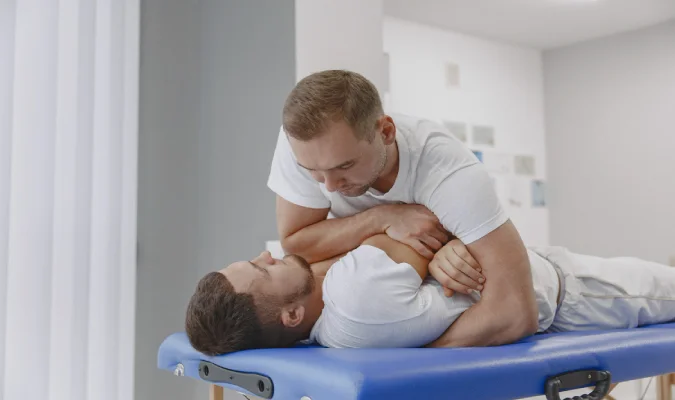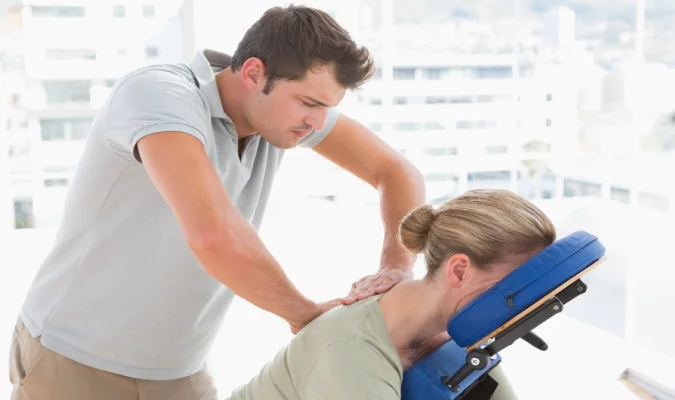


Chiropractic Services after a car accident can play a role in evaluating musculoskeletal injuries, addressing selected neck and back complaints, and helping patients return to everyday activities. If you have been involved in a collision in Portland, understanding the available services can help you make informed decisions about your recovery.
A crash can disrupt your routine even when you are able to walk away from the scene. You may notice stiffness while turning your head, discomfort when sitting at work, headaches, or lower back pain that makes ordinary activities more difficult.
Some symptoms appear immediately, while others become noticeable hours or days later. That does not mean every delayed symptom is serious, but it does mean your symptoms deserve an appropriate assessment.
Not everyone needs the same treatment after an accident. Some people require emergency medical attention. Others may benefit from conservative care once significant injuries have been ruled out.
At Northwest – Hinojosa Chiropractic in Portland, patients can ask about chiropractic evaluations and rehabilitation-oriented services for accident-related musculoskeletal complaints.
Experiencing neck or back discomfort after a collision? Call 503-512-7076 to ask about an evaluation and current appointment availability.
What Chiropractic Services Are Available After an Auto Accident?
Accident-related chiropractic care can involve more than spinal adjustments.
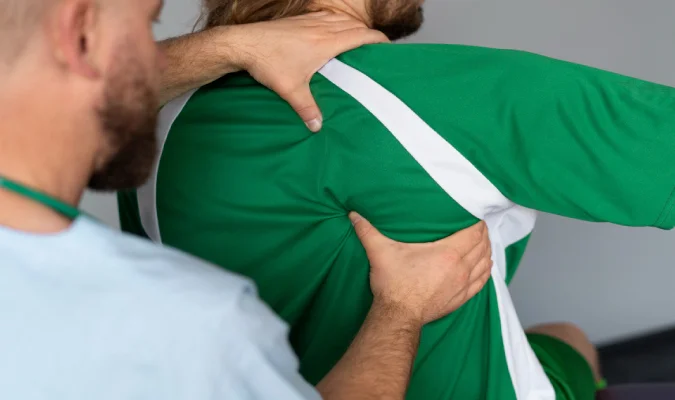
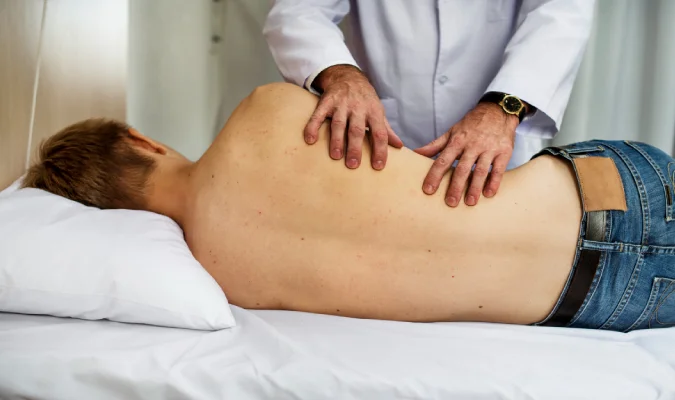
Depending on the clinic and your clinical findings, services may include a musculoskeletal examination, movement assessment, therapeutic exercise, joint mobilization, selected manual techniques and recommendations for returning to normal activities.
The goal is to understand which areas are affected and what approach may be suitable for your condition.
For example, a person with uncomplicated neck stiffness may benefit from appropriate movement guidance and exercise. Another patient with neurological symptoms may need further medical investigation before beginning conservative treatment.
Overview of post-accident services
| Service | Possible purpose | Important consideration |
|---|---|---|
| Injury evaluation | Review symptoms and physical findings | Serious injuries may need medical referral |
| Range-of-motion assessment | Identify movement limitations | Findings should guide treatment |
| Therapeutic exercise | Support strength, mobility and function | Exercises must be individualized |
| Joint mobilization | Address selected movement restrictions | Not appropriate for every injury |
| Spinal adjustments | Consider for certain musculoskeletal complaints | Risks and alternatives must be discussed |
| Activity guidance | Support gradual return to daily tasks | Follow medical restrictions |
| Progress monitoring | Evaluate response to care | Treatment should change if needed |
| Insurance documentation | Record relevant clinical information | Coverage depends on the insurer |
These services are not necessarily required for every patient. An appropriate evaluation determines which options deserve consideration.
Why Is an Injury Evaluation the First Step?
An automobile collision can involve forces that affect several parts of the body.
Even if your main complaint is neck pain, the clinician should consider the overall circumstances of the accident, previous medical findings and other symptoms.
A first evaluation may include questions about the crash, your health history, the onset of discomfort and the activities you are struggling to perform.
The clinician may assess movement, relevant orthopedic findings and neurological function when indicated.
The examination helps identify whether conservative treatment is appropriate or whether further medical evaluation is needed.
Questions commonly asked after a collision
- When did the accident occur?
- Were you the driver or a passenger?
- What direction was the impact?
- Did you hit your head or lose consciousness?
- Did you receive emergency medical care?
- When did the pain or stiffness begin?
- Have symptoms changed since the accident?
- Do you have numbness, tingling or weakness?
- What activities are currently difficult?
- Have you received treatment for similar complaints before?
Accurate answers matter more than trying to describe your symptoms in a particular way.
A patient should never feel pressured to report pain or limitations that are not actually present.
How Can Chiropractic Services Help With Whiplash-Related Complaints?
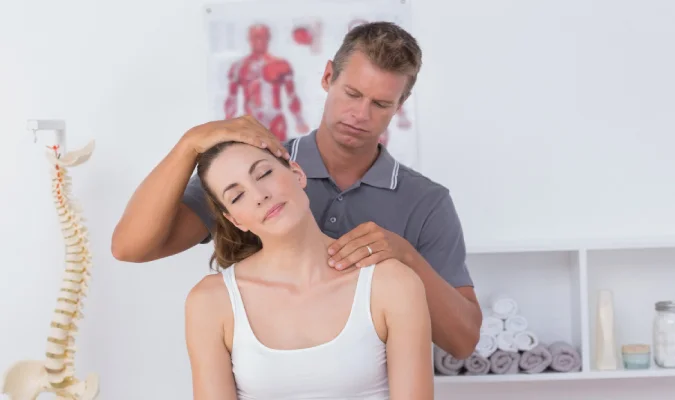
Whiplash is a neck injury associated with a sudden movement of the head, commonly during a vehicle collision.
It can cause neck pain, stiffness, headaches and discomfort around the shoulders.
Some people also experience reduced movement or difficulty performing tasks such as checking traffic while driving.
However, neck pain after a crash is not automatically a diagnosis of whiplash. Other injuries may need to be considered.
For uncomplicated whiplash, clinical guidance emphasizes staying appropriately active, performing suitable neck exercises and avoiding unnecessary prolonged immobilization.
The NHS guidance on whiplash explains that symptoms may begin several hours after an injury and that recovery often occurs over weeks or months.
Why movement matters
After an injury, people sometimes avoid moving their neck because they are concerned about making the pain worse.
Although certain injuries require restrictions, prolonged inactivity is not generally recommended for uncomplicated whiplash.
A clinician can help determine which movements are appropriate and how to increase activity gradually.
Exercises should be adapted to the patient’s symptoms and medical findings.
The goal is not to force the neck into painful positions. It is to support safe, progressive recovery of useful movement.
What Is Range-of-Motion Rehabilitation?
Range of motion refers to how far a joint can move in different directions.
After an accident, pain, stiffness or injury-related restrictions may affect movement of the neck, back or other areas.
Range-of-motion rehabilitation focuses on evaluating these limitations and, when appropriate, helping patients gradually regain useful movement.
The process may involve gentle exercises, movement practice and reassessment over time.
Examples of functional movement goals
| Movement limitation | Everyday difficulty | Possible rehabilitation goal |
|---|---|---|
| Reduced neck rotation | Checking traffic while driving | Improve safe turning ability |
| Limited forward bending | Putting on shoes | Increase comfortable movement |
| Shoulder stiffness | Reaching overhead | Restore useful arm movement |
| Lower back discomfort | Sitting through work | Improve activity tolerance |
| General guarding | Avoiding ordinary tasks | Rebuild movement confidence |
The clinic publishes information about range-of-motion recovery as part of its rehabilitation-related services.
Restoring movement should be guided by the underlying condition rather than a fixed schedule.
Why Are Therapeutic Exercises Important After a Crash?
Therapeutic exercise can be a valuable part of conservative rehabilitation.
Depending on the injury, a program may focus on gentle mobility, muscle control, strength, endurance or returning to ordinary activities.
Exercises can also give patients an active role in their recovery between appointments.
For selected uncomplicated whiplash injuries, clinical guidance supports neck exercises and advice to remain active.
The SIRA whiplash treatment guidance identifies activity advice, reassurance and neck exercises among recommended interventions.
How exercise plans may progress
In the early stage, a patient may begin with comfortable movements and ordinary activities within appropriate limits.
As symptoms and function improve, the program may include exercises that challenge strength or endurance.
Later goals might involve returning to work tasks, household responsibilities or recreational activities.
Progress is individualized. A person recovering from a mild neck strain will not necessarily follow the same program as someone with several injuries.
If exercises cause significant worsening or new neurological symptoms, the plan should be reassessed.
You can learn more about the clinic’s therapeutic exercise services.
Are Chiropractic Adjustments Necessary After Every Accident?
No. Not every accident-related complaint requires a spinal adjustment.
An adjustment may be considered for selected musculoskeletal conditions, but the decision should follow an appropriate examination.
The clinician should explain the proposed technique, potential benefits, risks and alternatives.
Cervical manipulation deserves particular caution after trauma because significant injuries must be ruled out before any high-velocity neck procedure is considered.
A patient may prefer non-manipulative options such as exercise, education or suitable mobilization.
That preference should be respected.
Manual therapy versus active rehabilitation
Manual therapy and exercise serve different purposes.
A manual technique may be considered to address selected symptoms or movement restrictions. Active rehabilitation focuses on helping the patient regain capacity through movement and exercise.
For whiplash, evidence supporting some manual treatments is limited. They should not replace appropriate activity advice and exercise.
A responsible plan should avoid making patients dependent on repeated procedures without clear functional improvement.
Can Chiropractic Services Help With Back Pain After a Collision?
Lower back discomfort can develop after a motor vehicle accident, sometimes alongside neck or shoulder symptoms.
The cause may involve several tissues or conditions, and it should not be assumed that all post-collision back pain is caused by a simple muscle strain.
An evaluation may explore the location of pain, whether it extends into a leg, changes in strength or sensation, and the effect on daily activities.
Depending on the findings, conservative care may include exercise, education and selected manual treatments.
Patients with suspected fractures, significant neurological symptoms or other serious injuries require appropriate medical assessment.
Different symptoms may require different next steps
| Symptom | Possible concern | Appropriate response |
|---|---|---|
| Mild stiffness | Musculoskeletal discomfort | Evaluation if persistent or limiting |
| Pain with sitting | Reduced activity tolerance | Assess function and contributing factors |
| Pain extending into a leg | Possible nerve involvement | Clinical and neurological evaluation |
| Progressive weakness | Significant neurological problem | Prompt medical attention |
| Severe pain after major trauma | Possible serious injury | Urgent medical evaluation |
| New bladder or bowel dysfunction | Possible neurological emergency | Emergency medical care |
For more information about accident-related treatment options, visit car accident chiropractic care.
How Soon Should You Seek Care After an Auto Accident?
The right timing depends on the symptoms and circumstances of the collision.
Serious injuries require emergency assessment immediately.
If you have persistent neck or back pain, stiffness, headaches or difficulty performing ordinary activities, arrange an appropriate clinical evaluation.
Some symptoms may develop after the initial shock of the accident has passed.
It is helpful to record when you first noticed them and whether they are improving or worsening.
An early evaluation can clarify which next steps are appropriate, but it does not guarantee faster healing or prevent chronic pain.
The purpose of seeking care is to identify problems, address symptoms when suitable and avoid overlooking significant injuries.
If you have non-emergency symptoms after a crash, call 503-512-7076 to ask about accident-related Chiropractic Services in Portland.
What Are the Warning Signs After a Car Accident?
Certain symptoms should not wait for a routine chiropractic visit.
Seek emergency medical attention after major trauma or if you develop serious neurological symptoms.
Warning signs include loss of consciousness, confusion, progressive weakness, severe or worsening headache, difficulty speaking, loss of coordination, or new bladder or bowel dysfunction.
Severe neck pain after significant trauma may require imaging or other medical assessment.
Numbness, tingling or weakness after a neck injury also deserves prompt clinical attention.
Do not attempt to manipulate your own neck or back after a collision.
If you cannot turn your head safely, do not drive yourself to an appointment.
Recognizing when emergency or medical care is needed is a fundamental part of responsible post-accident treatment.
How Is Progress Measured During Chiropractic Recovery?
A recovery plan should focus on meaningful changes in your daily activities.
Pain intensity is one measure, but it is not the only one.
Your clinician may ask whether you can move more comfortably, sleep better, work with fewer interruptions or return to suitable exercise.
These functional changes help determine whether the treatment plan is useful.
Progress indicators after an accident
| Activity | Initial limitation | What progress may look like |
|---|---|---|
| Driving | Difficulty turning the neck | Safer, more comfortable head movement |
| Working | Frequent pain-related breaks | Improved work tolerance |
| Walking | Discomfort after short distances | Gradually increased activity |
| Sleeping | Waking because of pain | Fewer interruptions |
| Household tasks | Avoiding bending or lifting | Return to suitable tasks |
| Exercise | Reduced participation | Progressive return to activity |
Not every patient improves at the same rate.
If symptoms worsen, new warning signs develop or meaningful improvement does not occur, the plan should be reconsidered.
Continuing treatment indefinitely without reassessment is not a reliable recovery strategy.
What Does a Personalized Recovery Plan Include?
An individualized plan begins with your specific symptoms and goals.
For example, someone with uncomplicated whiplash may need guidance about neck movement and a gradual return to work.
A patient with lower back pain may require a different exercise program.
Someone with symptoms affecting several body regions may need a broader evaluation or collaboration with other healthcare professionals.
A recovery plan may address:
- Current symptoms and physical findings.
- Medical restrictions or contraindications.
- Exercises appropriate for the stage of recovery.
- Temporary changes to daily activities.
- Options for selected manual treatment.
- Measurable functional goals.
- Follow-up and reassessment.
- Referral when symptoms require another level of care.
The plan should be explained in language the patient understands.
You should know what you can do between appointments and which changes should prompt you to contact a healthcare professional.
How Long Does Recovery After an Accident Take?
Recovery time varies substantially.
Some people improve within days or weeks, while others have symptoms lasting months.
For whiplash, the NHS notes that many patients improve within approximately two to three months, although some experience symptoms for longer.
The duration depends on the injury, initial symptoms, individual health factors and other circumstances.
There is no reliable way to promise that a particular number of adjustments will produce recovery by a specific date.
A treatment plan should be based on clinical need and response, not an automatic package of visits.
If your symptoms are not improving, the clinician should review the diagnosis, goals and treatment approach.
Can Chiropractic Services Prevent Chronic Pain After a Crash?
No treatment can guarantee that persistent pain will be prevented.
Some people develop longer-lasting symptoms despite receiving appropriate care, while others recover with minimal intervention.
The most useful approach is to evaluate symptoms, identify serious conditions, support suitable activity and monitor functional progress.
Exercise, education and appropriate self-management may be important components of care.
Avoiding exaggerated promises is particularly important after an accident, when patients may feel anxious about long-term consequences.
A responsible provider should discuss uncertainty and realistic expectations.
What Should You Bring to an Accident-Related Chiropractic Visit?
Preparing relevant information can make the evaluation more efficient.
Bring any medical records from emergency departments, urgent care clinics or other providers.
If you have imaging reports, medication information or discharge instructions, these may be useful.
You should also provide the date of the accident and a clear description of your symptoms.
Appointment preparation checklist
- Write down the date and general circumstances of the collision.
- Note when each symptom began.
- Record activities that are difficult.
- Bring relevant medical reports.
- Prepare a list of medications.
- Have your insurance information available.
- Bring the claim number if one has been assigned.
- Prepare questions about treatment and follow-up.
You do not need to know which procedure you want before attending.
The evaluation should help determine whether any treatment is appropriate.
Does Oregon PIP Insurance Cover Chiropractic Services?
Oregon Personal Injury Protection insurance, commonly called PIP, may help cover certain medical expenses related to motor vehicle accidents.
For qualifying claims, chiropractic services may be eligible when they are reasonable, necessary and consistent with applicable policy requirements.
However, coverage is not automatic.
The insurer may need information about the accident, treatment, medical necessity and available benefits.
It is useful to ask your insurance company about the status of your claim and the documentation required.
You can also ask the clinic which details are needed for billing.
Insurance questions worth asking
- Is my accident-related claim eligible for PIP benefits?
- What medical expense coverage is available?
- Are chiropractic evaluations and treatments eligible?
- What documentation must be submitted?
- Are there applicable deadlines?
- How are bills and explanations of benefits handled?
For more information, read our guide to PIP insurance.
Insurance questions should never delay emergency medical treatment.
Why Is Clinical Documentation Important?
After an accident, documentation can help establish what was evaluated, what symptoms were reported and which treatments were provided.
A clinical record may include the accident history, examination findings, treatment recommendations and follow-up observations.
Good documentation should accurately reflect the patient’s condition.
It should not exaggerate injuries or imply that a treatment was necessary without a clinical basis.
Patients can help by providing accurate information and keeping copies of relevant records.
If you are communicating with an insurer, follow its instructions and retain correspondence related to the claim.
Documentation supports continuity of care, but it does not guarantee payment or establish legal responsibility for the accident.
What Makes a Good Post-Accident Chiropractic Clinic?
Choosing a clinic after a collision involves more than finding the nearest provider.
Look for a practice that evaluates injuries carefully, explains treatment alternatives and knows when to recommend medical referral.
A clinic should be willing to discuss whether exercise, manual treatment or other options are appropriate.
It should also explain how progress will be assessed.
Questions to ask before choosing care
- What happens during the first accident-related evaluation?
- Do you screen for injuries requiring medical referral?
- Are exercises included when appropriate?
- Do you offer alternatives to spinal manipulation?
- How do you measure functional progress?
- What happens if symptoms do not improve?
- Can you explain the billing process for PIP?
- What should I bring to my appointment?
The answers should help you make an informed choice without pressure to commit to a predetermined treatment package.
Chiropractic Services in East Portland
For patients in East Portland and surrounding communities, access to a nearby clinic can make follow-up appointments easier to manage.
Northwest – Hinojosa Chiropractic is located at 205 NE 181st Ave, Portland, OR 97230.
The clinic publishes information about accident-related chiropractic care, therapeutic exercise and range-of-motion recovery.
Patients can call to ask about the evaluation process, current appointment availability and insurance documentation.
Because published schedules may differ across pages of the clinic’s website, confirm current hours directly with the office.
The most appropriate care will depend on the patient’s symptoms and examination findings.
Frequently Asked Questions About Chiropractic Services After an Accident
What Chiropractic Services May Help After a Car Accident?
Services may include injury evaluation, movement assessment, therapeutic exercise, activity guidance and selected manual treatments when clinically appropriate.
Can Chiropractic Services Help With Whiplash?
Some patients with uncomplicated whiplash may benefit from conservative care, particularly suitable exercises and activity guidance. Treatment depends on the evaluation.
How Soon Should I See a Chiropractor After a Crash?
Seek emergency care for serious injuries. For non-emergency neck or back symptoms, arrange an appropriate evaluation rather than waiting for symptoms to become severe.
Do I Need a Spinal Adjustment After Every Car Accident?
No. Adjustments are not necessary for everyone and may be inappropriate after certain injuries. Treatment should follow an individualized assessment.
Can Chiropractic Care Speed Up Accident Recovery?
Recovery varies, and faster healing cannot be guaranteed. Appropriate evaluation, exercises and activity guidance may support recovery in selected patients.
What Is Range-of-Motion Rehabilitation?
It involves assessing movement limitations and using appropriate exercises or other conservative techniques to help restore useful mobility.
How Many Chiropractic Visits Will I Need?
There is no fixed number. Visit recommendations depend on your injuries, symptoms, functional goals and response to treatment.
Does Oregon PIP Cover Chiropractic Services?
PIP may cover eligible, reasonable and necessary accident-related chiropractic services under the applicable policy. Coverage is not guaranteed.
What Should I Bring to My First Accident-Related Appointment?
Bring relevant medical records, a symptom history, medication information, accident details and insurance information if available.
Where Can I Request Chiropractic Services in Portland?
Contact Northwest – Hinojosa Chiropractic at 503-512-7076 to ask about an evaluation at 205 NE 181st Ave, Portland, OR 97230.
Request an Accident-Related Chiropractic Evaluation in Portland
Recovering after a car accident is not simply about receiving adjustments. It involves understanding your symptoms, identifying appropriate treatment options and gradually returning to activities that matter to you.
Chiropractic Services may be one component of conservative recovery for selected musculoskeletal injuries, especially when paired with education, appropriate exercise and ongoing reassessment.
If you are experiencing neck stiffness, back discomfort or movement limitations after a collision, contact the clinic to ask about an evaluation.
Northwest – Hinojosa Chiropractic
205 NE 181st Ave, Portland, OR 97230
Phone: 503-512-7076
This article provides general educational information and does not replace individualized medical advice. Seek emergency care for serious injuries or warning signs. Treatment outcomes, insurance coverage and appointment availability are not guaranteed.