
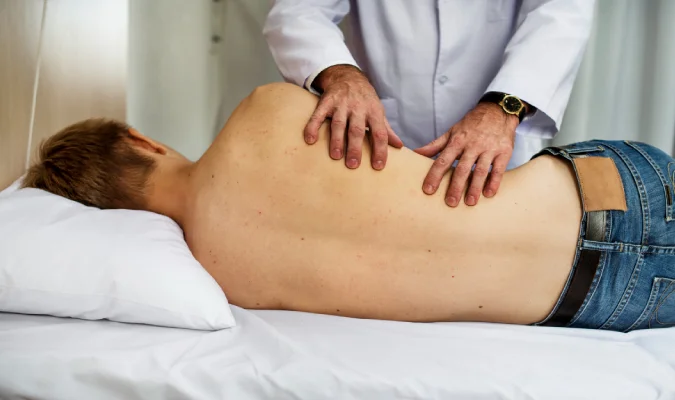
Back pain after car accident experiences does not always begin at the scene. You might walk away from a collision feeling shaken but physically comfortable, only to notice lower back stiffness when you get home or discomfort when you get out of bed the next morning.
That delay can be confusing. Does it mean the accident caused an injury? Should you wait for the pain to disappear? And if you already visited an emergency department, do you need another evaluation?
The timing of symptoms is one piece of the picture, not a diagnosis. A collision can involve forces that affect muscles, joints, and other structures, but pain that develops later can have different explanations. New back pain after a crash deserves appropriate medical attention, particularly when it persists, worsens, or affects your ability to move.
For drivers and passengers around Gresham, understanding what to watch for can help you make a more informed decision about your next step.
Why Can Back Pain After a Car Accident Start Later?
Not everyone experiences discomfort immediately after an injury.
A person may be focused on the accident, experience changing muscle tension, or become more aware of discomfort when returning to ordinary activities.
The underlying cause cannot be determined from symptom timing alone.
You May Not Notice Discomfort at the Scene
Immediately after a collision, attention is often directed toward checking for injuries, moving to safety, and exchanging information.
You may not notice every physical sensation at that moment.
Later, when you sit, bend, or try to sleep, discomfort may become more apparent.
Musculoskeletal Symptoms Can Change Over Time
Muscles, ligaments, and joints may be affected by trauma.
Some people notice soreness or stiffness later as they move through their usual routines.
However, delayed pain is not proof of a particular muscle strain, spinal injury, or other diagnosis.
Daily Activities May Reveal Symptoms
You might first notice a problem while:
- Getting out of a car.
- Sitting at a desk.
- Bending to pick something up.
- Standing after a long period of sitting.
- Turning in bed.
- Carrying groceries.
- Walking longer distances.
Record which activities bring on the discomfort, but avoid deliberately repeating painful movements to test yourself.
Back Pain After a Car Accident: What Can the Timing Tell You?
The onset of symptoms is useful information for a healthcare professional.
It may help explain how your condition has changed, but it does not reliably indicate the severity of an injury.
Pain That Starts Immediately
Pain at the scene may be related to trauma and should be assessed according to its severity, associated symptoms, and the circumstances of the collision.
Severe pain or signs of serious injury require urgent medical assessment.
Pain That Starts Later the Same Day
Discomfort that develops hours later is worth documenting.
If you notice new back pain after the collision, contact an appropriate healthcare professional for guidance rather than assuming the delay makes it harmless.
Pain That Appears the Next Morning
You may wake up feeling stiff or notice pain when getting out of bed.
Tell the clinician when you first noticed the symptoms and whether you experienced any discomfort the day before.
Pain That Appears Several Days Later
New symptoms days after a crash should not automatically be attributed to the collision without an evaluation.
A healthcare professional can consider the accident history alongside other possible causes.
If the pain is persistent, worsening, or accompanied by neurological symptoms, seek timely medical assessment.
Lower Back Pain After a Car Accident: What Might Be Involved?
The lower back, or lumbar region, supports movement and everyday activities.
After a collision, discomfort may involve muscles, ligaments, joints, or other structures. Some symptoms may also be unrelated to a simple musculoskeletal strain.
Muscle and Soft-Tissue Discomfort
A sudden impact may be associated with strain or soreness in tissues supporting the back.
Symptoms can include stiffness, localized discomfort, and difficulty with certain movements.
An examination is needed to determine whether this explanation fits your situation.
Joint-Related Discomfort
Some people experience pain with bending, twisting, or moving from sitting to standing.
Those movement patterns can help guide an assessment, but they do not identify a specific injured joint on their own.
Symptoms That Travel Into a Leg
Back pain accompanied by leg pain, numbness, tingling, or weakness deserves particular attention.
These symptoms may indicate neurological involvement or another condition that requires additional evaluation.
New or progressive weakness, numbness in the groin or saddle area, or loss of bladder or bowel control requires emergency medical assessment.
Upper Back Pain After a Car Accident
Although lower back discomfort receives considerable attention, some people notice pain between the shoulder blades or around the middle of the back.
Why Might the Upper Back Hurt?
The forces involved in a collision, body positioning, and muscle tension may contribute to discomfort.
However, upper back pain can also have causes unrelated to a routine strain.
When Should Upper Back Pain Be Evaluated Urgently?
Seek urgent medical care if pain follows significant trauma or occurs with chest pain, breathing difficulty, severe abdominal symptoms, or other concerning findings.
Do not assume that pain near the shoulder blades is always muscular.
What Information Is Useful?
Describe whether the pain changes with breathing, movement, posture, or activity.
Mention any associated chest, abdominal, or neurological symptoms.
Back Pain After a Car Accident: Symptoms That Should Not Wait
Some post-collision symptoms require emergency care rather than a routine chiropractic appointment.
| Symptom or Situation | Recommended Action | Why It Matters |
|---|---|---|
| Suspected spinal injury after major trauma | Emergency medical care | Serious structural injury must be considered |
| New loss of bladder or bowel control | Emergency medical care | Possible serious neurological involvement |
| Numbness in the groin or saddle area | Emergency medical care | Possible nerve compression emergency |
| New or progressive leg weakness | Urgent or emergency medical assessment | Neurological involvement may be present |
| Severe back pain with significant trauma | Urgent medical assessment | Fracture or other serious injury may need evaluation |
| Back pain with chest pain or breathing difficulty | Emergency medical care | May indicate a serious non-musculoskeletal problem |
| New pain without emergency warning signs | Arrange appropriate clinical evaluation | The cause and next steps need assessment |
| Persistent pain after an earlier evaluation | Request reassessment | Symptoms or findings may have changed |
These examples are not a complete list of possible warning signs.
MedlinePlus, a service of the U.S. National Library of Medicine, advises seeking medical attention for back pain that follows an injury.
What if You Felt Fine After the Accident but Have Back Pain Now?
This situation is common enough to be worth discussing directly, but it should not lead to assumptions about the cause.
First, Think About Whether You Need Immediate Care
Review your symptoms for emergency warning signs.
If you are unsure whether your condition is urgent, seek appropriate medical guidance.
Next, Record the Timeline
Write down when the accident occurred and when you first noticed discomfort.
Include whether you had any pain at the scene, later that evening, or the next day.
Then, Arrange an Appropriate Evaluation
If new pain develops after a collision, contact a healthcare professional.
A chiropractor may be able to evaluate selected musculoskeletal concerns, but some situations require medical screening or another type of care first.
Avoid Making Your Own Diagnosis
Do not assume that delayed pain means a slipped disc, spinal misalignment, or permanent damage.
Likewise, do not dismiss symptoms solely because the vehicles appeared to have little visible damage.
How to Track Delayed Back Pain After a Collision
A brief symptom log can help you explain changes more accurately.
You do not need a complicated app or an hourly pain score.
A Practical Symptom Log
| When | What to Record | Example |
|---|---|---|
| Accident day | Symptoms at the scene | No back pain noticed initially |
| Later that evening | New discomfort | Stiffness while sitting |
| Following morning | Changes after sleep | Pain when getting out of bed |
| Following days | Activity limitations | Difficulty bending comfortably |
| After medical assessment | Advice received | Follow-up recommended if symptoms worsen |
These examples illustrate what a log might contain; they do not describe a typical or expected recovery pattern.
What Else Should You Note?
Include whether symptoms are improving, worsening, or changing location.
Record associated symptoms such as tingling, weakness, headaches, or abdominal discomfort.
If you have already received medical care, keep a note of the recommendations you were given.
Can Back Pain Get Worse After an Emergency Room Visit?
Yes, symptoms can change after an initial medical evaluation.
An emergency department visit is important when indicated, but it does not guarantee that every symptom will remain the same afterward.
Follow Your Discharge Instructions
If you were evaluated after the accident, review the instructions provided by your healthcare team.
They may include recommendations about activity, follow-up, or warning signs.
Report New Symptoms
Contact an appropriate healthcare professional if pain worsens or new symptoms appear.
Emergency warning signs still require emergency care, even if you were previously discharged.
Bring Previous Records to Your Next Appointment
If available, bring relevant discharge summaries, imaging reports, medication information, and a description of symptom changes.
This can help the next clinician understand what has already been evaluated.
Should You Rest or Stay Active With Back Pain After a Car Accident?
The appropriate activity level depends on the nature of your symptoms and whether serious injuries have been ruled out.
Do not use general exercise advice as a substitute for evaluation after trauma.
Avoid Pushing Through Significant Pain
If a movement produces substantial discomfort or neurological symptoms, do not repeatedly force it.
Ask a healthcare professional which activities are appropriate for your situation.
Is Bed Rest Always Necessary?
No. Prolonged bed rest is not routinely recommended for uncomplicated low back pain.
However, that general advice does not override restrictions given after a significant injury.
What About Stretching or Exercising?
Gentle movement or therapeutic exercise may be appropriate in some cases, but the timing and type of activity should reflect the clinical findings.
If you have not been assessed after a significant collision, avoid aggressive stretching, heavy lifting, or self-manipulation.
When Might Chiropractic Care Be Considered for Post-Accident Back Pain?
A chiropractic evaluation may be an option for selected musculoskeletal concerns after an appropriate assessment.
The important question is not whether every patient needs an adjustment. It is whether the patient’s symptoms and findings support a particular approach.
What Happens During the Evaluation?
A clinician may review:
- How the collision occurred.
- When symptoms began.
- Which movements affect the pain.
- Whether symptoms extend into the legs.
- Previous medical conditions or injuries.
- Current medications.
- Emergency or urgent care records.
The examination may include relevant movement, musculoskeletal, and neurological assessments.
Does Every Patient Need a Spinal Adjustment?
No.
Depending on the findings, recommendations may include conservative care, therapeutic exercise, additional testing, or referral to another healthcare professional.
Manual treatment should not be performed when the evaluation suggests it is inappropriate.
What Services Can You Ask About?
Northwest – Hinojosa Chiropractic provides information about back-related concerns and accident-related chiropractic services.
You can explore the clinic’s approach to back pain or review its accident-related care services to understand the types of concerns the office discusses.
What Should Gresham Drivers Bring to a Back Pain Evaluation?
You do not need to arrive with a diagnosis.
You do need to provide accurate information about the collision, your symptoms, and any medical care you have already received.
Useful Documents and Details
Consider preparing:
- The date and approximate time of the collision.
- A description of how the accident occurred.
- Your symptom timeline.
- Relevant medical records or discharge instructions.
- Imaging reports, if available.
- A current medication list.
- Insurance or claim information, when applicable.
- Questions about evaluation, risks, and treatment options.
Ask the clinic which documents are required before your appointment.
Questions That Can Make the Visit More Useful
You might ask:
- What findings help explain my symptoms?
- Are there signs that require further medical assessment?
- What care options may be appropriate?
- Would exercise or movement guidance be useful?
- How will progress be reassessed?
- What changes should prompt another evaluation?
For a broader first-visit checklist, see our guide to preparing for an initial chiropractic evaluation.
Back Pain After a Car Accident Near Gresham: Finding the Right Next Step
If your symptoms developed after a collision in or around Gresham, you may be deciding whether to contact a medical provider, request a chiropractic evaluation, or follow up after an earlier appointment.
Start with the level of care your symptoms require.
For more guidance about choosing an appropriate evaluation after a crash, read our post-collision assessment guide for Gresham-area patients.
Where Is Northwest – Hinojosa Chiropractic Located?
Northwest – Hinojosa Chiropractic is located in East Portland, near Gresham.
205 NE 181st Ave
Portland, OR 97230
The clinic does not have a Gresham office at this address.
How to Ask About an Appointment
When contacting the clinic, explain that you were involved in a car accident, when your back discomfort began, and whether you have already received medical evaluation.
Ask what information to prepare and whether an initial appointment is available.
For clinic details and information about traveling from Gresham, visit our Gresham-area clinic information page.
Frequently Asked Questions About Back Pain After a Car Accident
Can back pain start two days after a car accident?
Yes. Some people notice discomfort hours or days after a collision. The delay does not establish the cause or severity, so new or worsening symptoms should be appropriately evaluated.
Why did my back feel fine immediately after the accident?
You may not notice every symptom at the scene, and discomfort can become more apparent as time passes or you resume ordinary activities. A clinician can assess possible causes.
Is delayed back pain after a car accident serious?
Not always, but it should not be dismissed. The need for urgent assessment depends on the injury circumstances, symptom severity, and associated warning signs.
What are the emergency warning signs for back pain after a crash?
Seek emergency care for suspected spinal injury, new loss of bladder or bowel control, saddle numbness, major or progressive weakness, or other severe symptoms after trauma.
Can lower back pain after a car accident affect my legs?
Yes. Some conditions involving the back can produce leg pain, tingling, numbness, or weakness. New neurological symptoms require timely medical evaluation.
Should I see a doctor if back pain appears days after a collision?
Yes, contact an appropriate healthcare professional for an evaluation, especially if symptoms persist, worsen, or interfere with daily activities.
Will I need an X-ray or MRI for delayed back pain?
Not necessarily. Imaging decisions depend on the collision, symptoms, examination findings, and whether testing is clinically indicated.
Can chiropractic care be considered for back pain after a car accident?
It may be considered for selected musculoskeletal concerns after an appropriate assessment. Some injuries require other medical care, and an adjustment is not suitable for every patient.
What should I bring to an evaluation for post-accident back pain?
Bring a symptom timeline, relevant medical records, medication information, and accident or insurance details when applicable. Confirm specific requirements with the clinic.
Where can Gresham residents ask about an accident-related chiropractic evaluation?
Northwest – Hinojosa Chiropractic is located at 205 NE 181st Ave, Portland, OR 97230. Call (503) 512-7076 to ask about services and current appointment availability.
Back Pain After a Car Accident? Don’t Ignore Changes in Your Symptoms
If back discomfort develops after a collision, pay attention to when it began, how it changes, and whether other symptoms appear.
You do not need to determine the cause yourself. An appropriate clinical evaluation can help clarify what may be happening and whether additional medical care or conservative treatment is suitable.
For people near Gresham exploring options for back pain after a car accident, Northwest – Hinojosa Chiropractic offers information about accident-related chiropractic services at its East Portland office.
Call (503) 512-7076 to ask about an evaluation and current appointment availability.
Learn more about the clinic’s accident-related services.
This article provides general educational information and does not replace individualized medical advice, diagnosis, or emergency medical care. No treatment or recovery outcome is guaranteed.