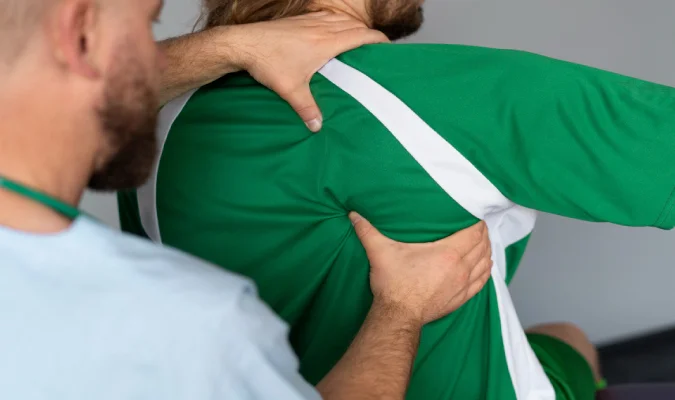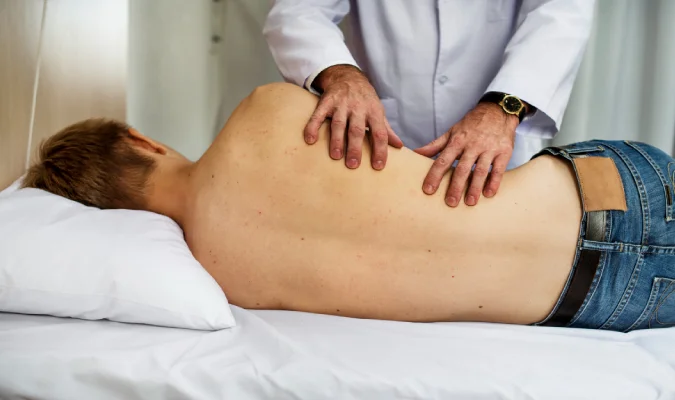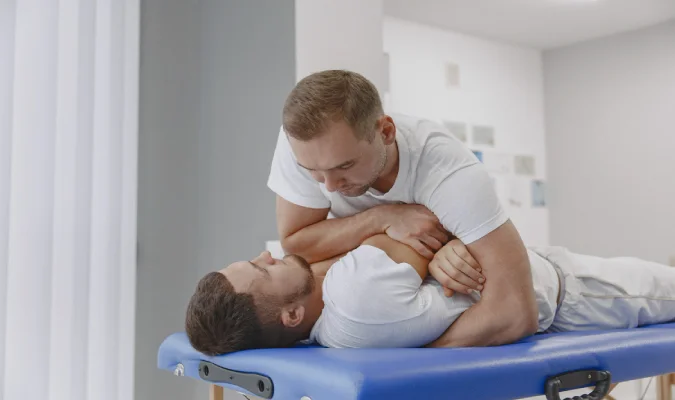

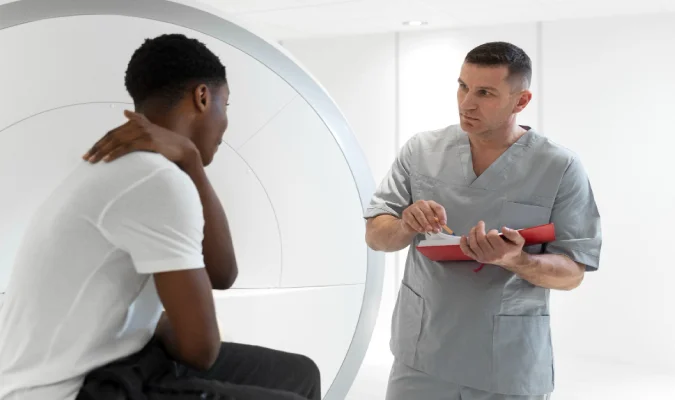
Neck pain after rear end collision accidents can appear immediately or develop after you have already left the scene. For drivers around Gresham, that can create an uncomfortable question: is this ordinary soreness, or does your neck need a medical evaluation?
A rear-end crash may cause a sudden movement of the head and neck, but the symptoms and injuries vary from person to person. Some people experience temporary stiffness. Others develop headaches, shoulder discomfort, or symptoms that require more urgent attention.
Quick answer: If you develop neck pain after being rear-ended, seek emergency medical care for serious symptoms or suspected spinal injury. Otherwise, arrange an appropriate clinical evaluation if pain, stiffness, or movement limitations develop, persist, or worsen. Do not assume that you have whiplash or that a chiropractic adjustment is automatically necessary.
Here is what Gresham-area drivers and passengers should understand before deciding what to do next.
Neck Pain After Rear End Collision: Why Can It Happen?
A rear-end collision can move the vehicle and its occupants suddenly. Depending on the impact and other factors, the head and neck may move in a way that places stress on cervical structures.
The neck includes muscles, ligaments, joints, discs, nerves, and bones. Discomfort after a crash may involve one or more of these structures.
What Happens to Your Neck During a Rear-End Crash?
When a vehicle is struck from behind, the body and head may move at different times as the seat and head restraint interact with the occupant.
This movement can place forces on the neck.
However, the precise movement and potential injury depend on many factors, including occupant position, restraint use, vehicle characteristics, and collision circumstances.
You cannot determine the severity of an injury simply by looking at the vehicle’s damage.
Does Every Rear-End Collision Cause Whiplash?
No.
Whiplash is a term commonly used for certain neck injuries associated with rapid head and neck movement.
Although rear-end crashes are a recognized cause, not everyone involved in one develops whiplash.
Neck pain alone is not enough to establish a diagnosis.
Can Neck Pain Start Hours or Days After Being Rear-Ended?
Yes. Some people notice symptoms later rather than immediately at the accident scene.
The timing of discomfort varies, and delayed symptoms do not automatically indicate a severe injury.
Why Might Your Neck Feel Fine at First?
Immediately after a collision, your attention may be focused on the accident scene, the vehicles, or the people involved.
Symptoms can also change over time as soreness or stiffness becomes more noticeable.
The important point is not to assume that feeling fine initially rules out all injury.
What if You Wake Up With a Stiff Neck the Next Morning?
Make a note of when the stiffness began, where you feel it, and which movements are uncomfortable.
If symptoms followed a collision, arrange appropriate medical assessment rather than treating the problem as an ordinary sleeping-related stiff neck without considering the trauma.
What if Neck Pain Gets Worse Several Days Later?
Worsening symptoms deserve reassessment.
Tell the healthcare professional whether the pain is increasing, whether your movement is becoming more restricted, and whether new symptoms such as tingling, weakness, or headaches have appeared.
Do not attempt forceful neck stretching or self-manipulation to test whether the discomfort will improve.
Neck Pain After Rear-End Collision: Symptoms to Monitor
Not all symptoms after a rear-impact accident have the same significance.
Some may reflect musculoskeletal discomfort, while others may suggest the need for urgent medical attention.
Common Neck-Related Complaints
People may report:
- Neck soreness or stiffness.
- Pain when turning the head.
- Discomfort near the base of the skull.
- Shoulder or upper back soreness.
- Reduced neck movement.
- Headaches.
- Difficulty finding a comfortable sleeping position.
These symptoms can occur for different reasons and should not be used to diagnose whiplash without an evaluation.
Symptoms That Need Additional Attention
Tell a healthcare professional promptly about:
- Tingling or numbness in an arm or hand.
- New weakness.
- Persistent dizziness.
- Significant or worsening headaches.
- Pain that interferes substantially with ordinary activities.
- Symptoms that continue to worsen rather than improve.
Depending on severity and circumstances, some of these symptoms require emergency assessment.
When Is Neck Pain After a Rear-End Accident an Emergency?
The first priority after a collision is ruling out potentially serious injury when warning signs are present.
A routine chiropractic appointment is not a substitute for emergency medical care.
Seek Emergency Care for These Warning Signs
Call 911 or seek emergency care if you experience:
- Loss of consciousness or significant confusion.
- Suspected neck or spinal injury after major trauma.
- New inability to move an arm or leg.
- Severe or rapidly worsening neurological symptoms.
- Difficulty speaking, walking, or maintaining balance.
- Severe or unusual headache after head or neck trauma.
- New loss of bladder or bowel control.
- Serious breathing difficulties.
If a significant spinal injury is suspected, avoid unnecessary movement and follow emergency instructions.
Neck Pain After a Rear-End Collision: Decision Table
| Situation | Suggested Next Step | Important Consideration |
|---|---|---|
| Serious trauma with suspected spinal injury | Emergency medical care | Avoid unnecessary movement |
| Loss of consciousness or major confusion | Emergency medical care | Possible head injury |
| New weakness or major neurological changes | Emergency medical care | Requires urgent assessment |
| Neck stiffness without emergency warning signs | Arrange an appropriate clinical evaluation | Cause and treatment suitability need assessment |
| Pain beginning the next day | Discuss with a healthcare professional | Delayed symptoms can occur |
| Increasing pain or reduced neck movement | Seek reassessment | Symptoms may be changing |
| Persistent musculoskeletal symptoms after medical screening | Ask about appropriate conservative care | Treatment depends on findings |
If you are unsure whether a symptom represents an emergency, seek timely medical guidance rather than relying on an online article to make the decision.
Is It Whiplash or Another Neck Problem?
Whiplash is one possible explanation for neck symptoms after a rear-end crash, but it is not the only possibility.
Muscle strain, joint-related discomfort, nerve involvement, and more serious injuries can produce overlapping symptoms.
How Is Whiplash Evaluated?
A healthcare professional may ask about the collision, symptom onset, previous neck problems, and neurological symptoms.
The examination may include movement assessment and relevant musculoskeletal or neurological tests.
Imaging is not automatically required for everyone, but it may be necessary when clinical findings or injury circumstances raise concern.
Can You Diagnose Whiplash Yourself?
No.
Although you can record your symptoms, a clinical evaluation is needed to consider possible diagnoses and rule out concerning conditions.
For more information about the clinic’s approach to accident-related neck concerns, explore our whiplash care services in Portland.
What Should Gresham Drivers Do During the First 24–72 Hours?
There is no universal timetable that determines when every symptom will appear or when every person needs treatment.
Instead, focus on safety, appropriate medical assessment, and accurate information.
At the Accident Scene
Follow emergency instructions, check for serious injuries, and avoid unnecessary movement if spinal injury is suspected.
Do not attempt to test the full range of motion of an injured neck.
Later That Day
If you develop neck symptoms, consider the circumstances of the collision and whether you need prompt medical evaluation.
Record when the symptoms began.
Over the Next Several Days
Pay attention to changes in pain, movement, headaches, or neurological symptoms.
If symptoms worsen or new concerns arise, seek medical reassessment.
A Simple Symptom Timeline
You can write:
- Date and approximate time of the collision.
- Whether you were driving or riding as a passenger.
- When neck discomfort first appeared.
- Which movements are uncomfortable.
- Whether symptoms affect sleep, work, or driving.
- Whether you received emergency or urgent medical care.
- Any changes since the first day.
This information may help the clinician understand the progression of your symptoms.
Can You Drive With Neck Pain After a Rear-End Collision?
Driving requires adequate attention, visibility, and the ability to check traffic safely.
Neck pain or stiffness can make those tasks more difficult.
What if Turning Your Head Hurts?
If you cannot comfortably and safely check mirrors and blind spots, do not drive yourself to an appointment.
Arrange another form of transportation and seek appropriate medical advice.
What if You Also Feel Dizzy?
Dizziness after a collision deserves medical attention, especially when accompanied by headache, neurological changes, or other concerning symptoms.
Do not drive while dizzy or otherwise impaired.
Should You Use a Neck Brace While Driving?
Do not start using a cervical collar or brace solely based on internet advice.
Follow the recommendations of the clinician evaluating your injury, including any driving restrictions.
Neck Pain After Rear-End Collision: What Does an Evaluation Include?
An appropriate evaluation should focus on identifying possible causes, recognizing warning signs, and determining which care options are suitable.
Questions About the Collision
The clinician may ask:
- How did the collision occur?
- Were you the driver or a passenger?
- Were you wearing a seat belt?
- Did your head strike anything?
- Did you receive medical attention afterward?
- When did the neck symptoms begin?
These details provide context, but they do not establish a diagnosis on their own.
Questions About Your Symptoms
You may be asked whether you have headaches, dizziness, pain extending into the shoulders or arms, numbness, weakness, or difficulty with daily activities.
Be specific about any new or worsening symptoms.
Examination and Next Steps
Depending on the findings, the clinician may discuss conservative care, additional medical evaluation, diagnostic testing, or referral.
An evaluation does not mean that spinal manipulation will necessarily be recommended.
For a broader explanation of post-collision assessment, read our guide to deciding when to seek an accident-related evaluation.
Is Chiropractic Care Appropriate for Neck Pain After Being Rear-Ended?
It may be considered for selected musculoskeletal symptoms after an appropriate assessment.
However, a recent collision is an important part of the medical history, and not every patient is a candidate for cervical manipulation.
Is a Neck Adjustment Always Necessary?
No.
A chiropractor should evaluate the patient’s symptoms, consider contraindications, and discuss relevant risks and alternatives before recommending manual treatment.
Some people may need a different form of care or referral to another healthcare professional.
What Other Conservative Approaches Might Be Discussed?
Depending on the evaluation, care may include:
- Selected therapeutic exercises.
- Education about activity and movement.
- Appropriate soft-tissue approaches.
- Other clinically suitable conservative treatments.
- Medical referral when indicated.
For more information about movement-based services available at the clinic, review our therapeutic exercise options.
Should You Manipulate Your Own Neck?
Avoid forcefully twisting, cracking, or stretching your neck after a collision, particularly before serious injury has been considered.
Ask an appropriate healthcare professional what movements and activities are safe for your situation.
How Long Does Neck Pain Last After a Rear-End Collision?
Recovery varies.
Some people experience short-lived discomfort, while others have symptoms that last longer or require additional evaluation.
There is no reliable way to predict an individual’s recovery time from the fact that the vehicle was rear-ended.
What Can Affect Recovery?
Factors may include:
- The type and severity of the injury.
- Previous neck problems.
- Associated neurological or other symptoms.
- Functional limitations.
- Other individual health factors.
A clinician can discuss your particular situation and reassess progress over time.
What if Symptoms Continue for Weeks?
Persistent symptoms deserve appropriate follow-up.
Do not assume that prolonged pain always means permanent damage, but do not ignore worsening or function-limiting symptoms.
The next step may involve reassessment, rehabilitation, or referral depending on the findings.
Preparing for a Neck Pain Evaluation Near Gresham
If you have already received necessary emergency or medical care and are considering chiropractic evaluation, preparation can make your visit more productive.
What to Bring
| Information | Why It Helps |
|---|---|
| Collision date and description | Establishes the event timeline |
| Symptom notes | Shows when symptoms began and changed |
| Medical discharge instructions | Clarifies prior recommendations |
| Imaging reports, if available | Provides relevant clinical context |
| Medication list | Supports medical history review |
| Insurance or claim information | Helps with administrative questions |
| Questions for the clinician | Supports informed decision-making |
Questions to Ask Before Booking
Ask whether the clinic evaluates neck-related musculoskeletal symptoms after car accidents, what records are useful, and whether a prior medical evaluation is advisable.
You can also ask how the clinician determines whether manual treatment is appropriate.
For a more complete checklist, see our first-visit preparation guide.
Where Can Gresham Drivers Ask About Accident-Related Neck Evaluations?
If you live or work in Gresham, you may consider healthcare options in nearby East Portland.
Northwest – Hinojosa Chiropractic provides chiropractic services and information about accident-related musculoskeletal concerns.
The clinic is located at:
205 NE 181st Ave
Portland, OR 97230
This is an East Portland office, not a Gresham location.
What to Say When You Call
You might explain:
“I was involved in a rear-end collision and have developed neck discomfort. I’ve already received [describe any medical evaluation]. Could you tell me whether an initial chiropractic evaluation may be appropriate and what records I should bring?”
The office can discuss its services and appointment process, but a telephone conversation does not replace a clinical examination.
For directions and clinic information, view our page for patients visiting from Gresham.
Frequently Asked Questions About Neck Pain After a Rear-End Collision
Is neck pain normal after being rear-ended?
Neck discomfort can occur after a rear-end collision, but it should not automatically be dismissed as normal. An appropriate evaluation can help determine whether further assessment or treatment is needed.
Can neck pain start the day after a rear-end collision?
Yes. Some people notice neck pain or stiffness hours or days after a collision. New, persistent, or worsening symptoms should be discussed with a healthcare professional.
Does neck pain after a rear-end collision mean I have whiplash?
Not necessarily. Whiplash is one possible diagnosis, but other conditions can cause similar symptoms. A clinical evaluation is needed to assess the cause.
When should I go to the emergency room for neck pain after a crash?
Seek emergency care for suspected spinal injury, loss of consciousness, significant confusion, new weakness, serious neurological symptoms, or other severe concerns after trauma.
Can I drive if my neck is stiff after an accident?
Only if you can drive safely. If pain or restricted movement prevents you from checking traffic properly, do not drive yourself. Dizziness or neurological symptoms also require medical attention.
Should I get an X-ray after being rear-ended?
Not everyone needs imaging. A healthcare professional should determine whether X-rays or other tests are appropriate based on the collision, symptoms, and examination findings.
Can a chiropractor evaluate neck pain after a rear-end collision?
A chiropractor may evaluate selected musculoskeletal concerns, but serious injuries must be appropriately assessed and some patients need other medical care before chiropractic treatment is considered.
Is a neck adjustment safe immediately after a car accident?
A neck adjustment should not be assumed safe or appropriate immediately after trauma. An individualized evaluation must consider possible injuries, contraindications, risks, and alternatives.
How long can neck pain last after a rear-end collision?
Duration varies depending on the individual and the nature of the injury. Persistent or worsening symptoms should be reassessed by an appropriate healthcare professional.
Where can Gresham residents ask about a chiropractic evaluation after a rear-end collision?
Northwest – Hinojosa Chiropractic is located in East Portland at 205 NE 181st Ave, Portland, OR 97230. Call (503) 512-7076 to ask about accident-related evaluation services and current appointment availability.
Neck Pain After a Rear-End Collision? Know Your Next Step
A rear-end crash can leave you with questions about neck stiffness, delayed pain, driving safety, and whether additional medical assessment is needed.
The right response depends on your symptoms. Serious warning signs require emergency care. Other new, persistent, or worsening concerns deserve appropriate clinical evaluation.
If you are experiencing neck pain after rear end collision accidents in the Gresham area, Northwest – Hinojosa Chiropractic can answer questions about its accident-related chiropractic services in East Portland.
Call (503) 512-7076 to ask about appointment availability and what to prepare.
Learn more about our accident-related chiropractic services.
This article provides general educational information and does not replace individualized medical advice, diagnosis, or emergency care. No particular treatment or recovery outcome is guaranteed.