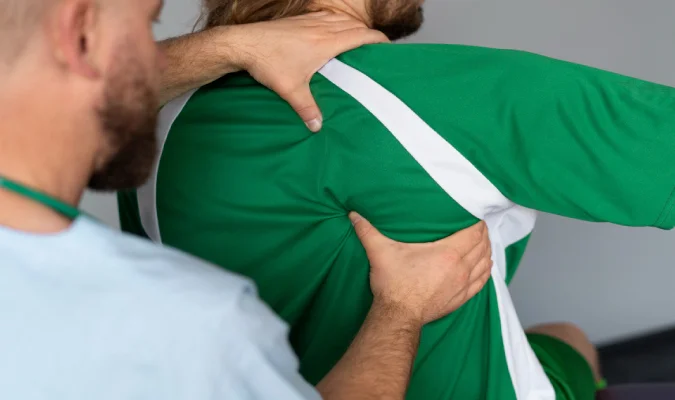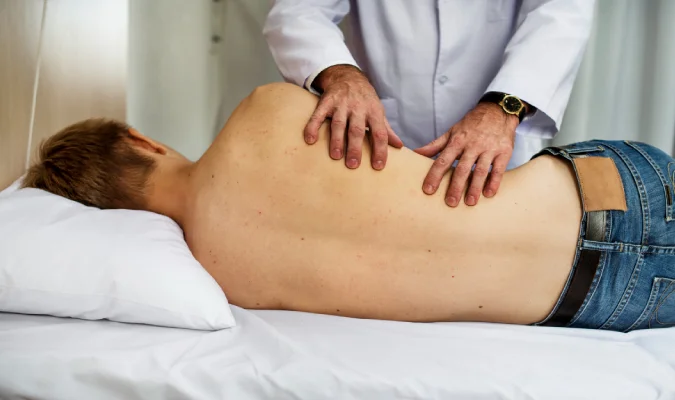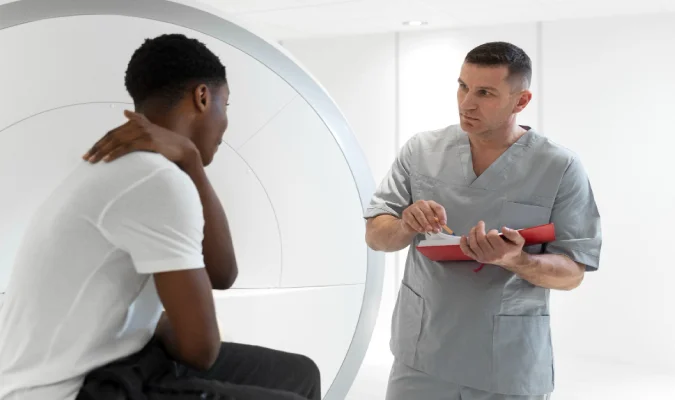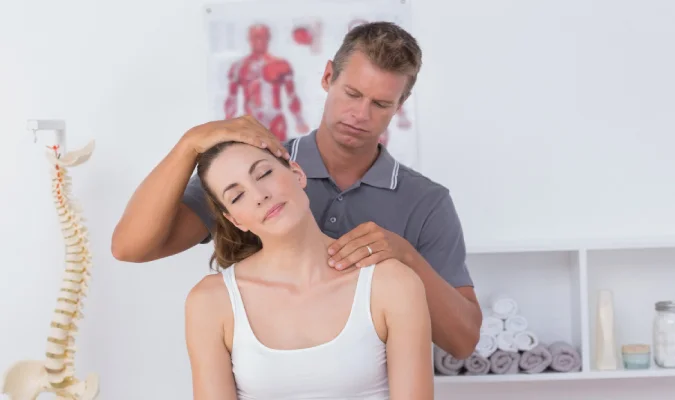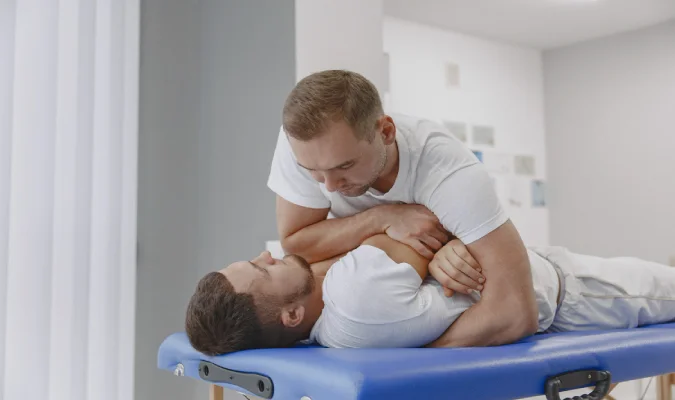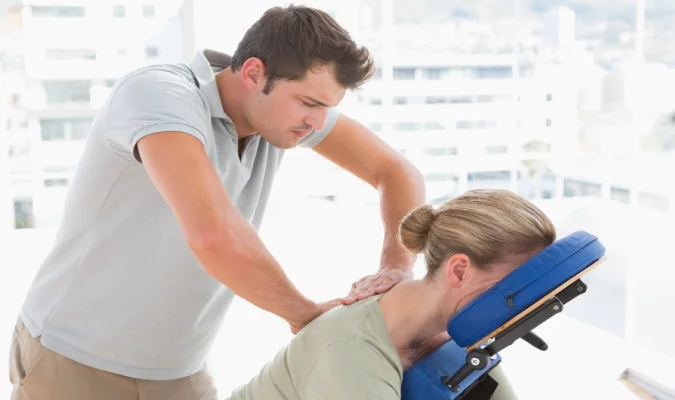


Neck and Back Pain can make everyday activities more difficult, from working at a desk and driving to sleeping comfortably or lifting groceries. Some people experience stiffness in both areas after long periods of limited movement, while others notice symptoms following physical activity or a car accident.
Although the neck and back are connected parts of the musculoskeletal system, discomfort in both regions does not necessarily have one cause. The right approach begins with understanding your symptoms, identifying warning signs, and determining whether conservative treatment is appropriate.
At Northwes – Hinojosa Chiropractic, located at 205 NE 181st Ave, Portland, OR 97230, you can inquire about an evaluation for selected musculoskeletal concerns, including symptoms following a vehicle collision.
Call 503-512-7076 to ask about an evaluation and current appointment availability.
Why Neck and Back Pain Can Occur Together
The neck and back work together during movement, balance, and everyday activities. Muscles, joints, and nerves all contribute to how these regions function.
When discomfort affects one area, people sometimes change how they sit, stand, or move. But combined symptoms can also arise from separate conditions.
It is important not to assume that all pain is caused by poor posture, a misaligned vertebra, or a single spinal problem.
Common Situations Associated With Discomfort
| Situation | Symptoms a Person May Notice | What an Evaluation May Consider |
|---|---|---|
| Prolonged desk work | Neck stiffness and upper back discomfort | Movement patterns and daily activities |
| Physical exertion | Muscle soreness or restricted movement | Recent activity and symptom progression |
| Vehicle collision | New neck, back, or shoulder pain | Mechanism of injury and trauma-related risks |
| Previous injury | Recurring symptoms | Medical history and previous treatment |
| Nerve-related condition | Radiating pain, tingling, or weakness | Neurological findings |
| Other medical conditions | Pain with unusual or general symptoms | Whether medical investigation is needed |
The location of pain alone cannot confirm a diagnosis.
Common Symptoms of Neck and Back Discomfort
Symptoms vary according to the cause and the individual.
Some people mainly notice muscle tightness, while others experience pain during specific movements or difficulty completing routine tasks.
Symptoms Worth Discussing
- Stiffness when turning your head.
- Upper back discomfort during desk work.
- Lower back pain when sitting or standing.
- Tenderness around the shoulders.
- Reduced tolerance for driving.
- Pain that interferes with sleep.
- Symptoms that began after a car accident.
- Tingling, numbness, or weakness.
New neurological symptoms deserve particular attention and may require medical assessment.
How Symptoms Can Affect Daily Activities
| Symptom | Possible Daily Impact | Useful Information to Record |
|---|---|---|
| Neck stiffness | Difficulty checking blind spots | Which movements are restricted |
| Upper back pain | Discomfort while working | How long symptoms last |
| Lower back pain | Difficulty bending or sitting | Activities that aggravate pain |
| Shoulder tightness | Reduced comfort with reaching | Whether symptoms spread |
| Pain after a collision | Difficulty resuming routine tasks | Accident date and symptom onset |
| Tingling or weakness | Changes in normal function | When it began and whether it is worsening |
A symptom diary can help you explain changes during an evaluation, but it does not replace a clinical assessment.
When Neck and Back Pain Requires Medical Attention
Some causes of spinal pain need prompt medical evaluation rather than a routine chiropractic appointment.
Severe trauma, progressive neurological changes, and certain combinations of symptoms can indicate a serious condition.
Emergency Warning Signs
Seek immediate medical attention if you experience:
- New loss of bladder or bowel control.
- Loss of sensation around the groin or saddle area.
- Progressive weakness in an arm or leg.
- Difficulty walking after a recent injury.
- Severe neck or back pain after significant trauma.
- Sudden severe headache or neck pain with neurological symptoms.
- Chest pain, fainting, or other emergency symptoms.
If symptoms follow a serious car accident, emergency assessment may be necessary even before a routine pain-management plan is considered.
The NHS guide to back pain explains common causes, self-care options, and symptoms that require urgent assessment.
How a Chiropractor Evaluates Neck and Back Pain
A chiropractic evaluation should begin with a review of your symptoms, health history, and relevant injuries.
The clinician may assess movement, tenderness, strength, sensation, and other findings when appropriate.
The purpose is to determine whether chiropractic treatment may be suitable or whether further medical assessment is needed.
Seven Steps in a Typical Evaluation
- Describe your main concerns. Explain where you feel discomfort and how it affects daily life.
- Review your medical history. Mention previous injuries, surgeries, conditions, and medications.
- Explain symptom onset. Include any recent accident or fall.
- Complete an appropriate examination. The clinician may assess movement and relevant neurological findings.
- Discuss possible explanations. Ask what the findings suggest and what remains uncertain.
- Review treatment choices. Understand potential benefits, risks, and alternatives.
- Agree on next steps. These may include treatment, further testing, monitoring, or referral.
An adjustment is not automatically required during an initial visit.
If you are preparing for an appointment, our guide explains what to expect during an initial chiropractic consultation in Portland.
Can Chiropractic Care Help With Neck and Back Pain
Chiropractic care may be considered for certain musculoskeletal conditions, particularly when a clinical evaluation suggests that conservative treatment is appropriate.
Some patients may benefit from selected manual approaches, movement education, or exercise-based care. Results vary, and treatment is not appropriate for every cause of pain.
Spinal manipulation may provide modest benefits for some people with lower back pain, but it is not a universal solution.
Cervical procedures require careful consideration of risks, especially when symptoms began after trauma or are accompanied by neurological changes.
Comparing Possible Care Options
| Option | Potential Role | Important Limitation |
|---|---|---|
| Chiropractic evaluation | Assess selected musculoskeletal concerns | May identify a need for medical referral |
| Spinal manipulation | Manual treatment for certain conditions | Not appropriate for every patient |
| Joint mobilization | Selected manual approach to movement limitations | Must be individualized |
| Therapeutic exercise | Support mobility and functional goals | Requires suitable progression |
| Medical management | Evaluate or treat other causes of pain | May be necessary before manual care |
| Physical therapy | Rehabilitation and exercise-based treatment | Depends on clinical needs |
No treatment should be described as guaranteed to eliminate pain or permanently correct a supposed spinal misalignment.
To learn more about the procedure itself, see our article explaining spinal adjustment methods and what patients should know.
Neck and Back Pain After a Car Accident
Neck and Back Pain after a collision deserves careful attention because trauma can affect multiple structures.
Some symptoms begin immediately, while others become noticeable later. Neither the timing nor the intensity of pain can reliably establish the extent of an injury.
A healthcare professional should consider whether serious injuries need to be excluded before any manual treatment.
What to Tell Your Healthcare Professional
- When the collision occurred.
- Whether you were the driver or a passenger.
- Where the vehicle was struck.
- Whether you received emergency medical care.
- When your symptoms started.
- Whether you have headaches, dizziness, or neurological symptoms.
- Whether you have previous neck or back injuries.
- Which daily activities are now difficult.
Steps to Take After a Collision
- Seek emergency care when needed. Do not wait for a chiropractic visit if serious symptoms are present.
- Document symptoms. Record the location and timing of discomfort.
- Gather relevant records. Keep medical reports and imaging results when available.
- Arrange an appropriate evaluation. Ask whether your symptoms require further medical investigation.
- Discuss safe activity. Avoid forcing movements before injuries are assessed.
- Understand treatment options. Ask about risks, benefits, and alternatives.
- Monitor changes. Seek reassessment if symptoms worsen.
Northwes – Hinojosa Chiropractic provides information about musculoskeletal evaluations following automobile collisions.
If your symptoms began after an accident, call 503-512-7076 to ask how to prepare for an evaluation.
Neck Pain and Whiplash Are Not Always the Same Thing
Whiplash is associated with a sudden movement of the head and neck, often during a collision.
However, not every case of neck pain after an accident is whiplash. Other injuries and medical conditions may need to be considered.
Symptoms That Deserve Special Attention
| Symptom | Possible Concern | Appropriate Response |
|---|---|---|
| Neck stiffness | May be associated with a musculoskeletal injury | Request an appropriate assessment |
| Headache after a crash | May require additional evaluation | Explain timing and severity |
| Dizziness | Can have several causes | Seek medical advice |
| Arm numbness | May indicate neurological involvement | Obtain prompt assessment |
| Progressive weakness | Potentially serious neurological issue | Seek urgent medical attention |
| Severe pain after major trauma | Possible significant injury | Emergency assessment |
For a more focused explanation of this injury, read our guide to whiplash symptoms and care considerations after a crash.
How Therapeutic Exercise May Fit Into a Care Plan
Exercises may be part of a conservative approach for selected patients with musculoskeletal pain.
The purpose can include improving movement tolerance, supporting functional activity, or helping a person return gradually to everyday tasks.
Exercises should be selected according to the diagnosis, physical abilities, and stage of recovery.
Examples of Functional Goals
- Turning the head more comfortably during normal activities.
- Tolerating work-related sitting or standing.
- Returning gradually to walking and routine movement.
- Improving confidence with safe physical activity.
- Building strength when appropriate.
- Monitoring symptoms during rehabilitation.
A person with a recent traumatic injury should not begin forceful neck stretches or strenuous exercises without appropriate evaluation.
You can explore the clinic’s information about individualized therapeutic exercise services.
Everyday Habits That May Support Comfort and Movement
For some non-emergency musculoskeletal conditions, maintaining appropriate activity can be helpful.
There is no single perfect posture that prevents all spinal pain. Comfortable movement, activity variation, and individualized advice are often more useful than rigid posture rules.
Practical Habits to Consider
| Daily Activity | Possible Adjustment | When to Seek Advice |
|---|---|---|
| Desk work | Change position periodically | If pain disrupts work |
| Driving | Use a comfortable, safe seating position | If neck movement is restricted |
| Walking | Maintain tolerable activity | If weakness or balance problems occur |
| Lifting | Modify demanding tasks temporarily | If symptoms worsen |
| Exercise | Adjust intensity to current abilities | After recent trauma |
| Sleep | Experiment with comfortable support | If pain is persistent or unusual |
Habits Worth Discussing With a Clinician
- Taking movement breaks during long periods of sitting.
- Gradually returning to normal activities when safe.
- Avoiding prolonged bed rest unless specifically instructed.
- Adjusting physical tasks that aggravate symptoms.
- Following an individualized exercise plan.
- Asking for reassessment when symptoms change.
These are general considerations, not a treatment plan for a specific diagnosis.
How Long Does Neck and Back Pain Take to Improve
Recovery depends on the underlying condition, the severity of symptoms, and individual circumstances.
Some episodes of musculoskeletal pain improve over weeks. Other conditions require longer follow-up or a different treatment approach.
No clinician can responsibly guarantee that a particular number of visits will eliminate your symptoms.
When to Reevaluate Your Care
Request further assessment if:
- Symptoms are becoming more intense.
- New numbness or weakness appears.
- Daily activities are increasingly limited.
- You are not making expected progress.
- You develop new symptoms after an accident.
- The recommended treatment is not helping.
A change in symptoms may require a change in the treatment plan or referral to another professional.
How to Choose Appropriate Care in Portland
When deciding whether to visit a chiropractor, focus on the evaluation process, professional credentials, and whether the proposed treatment fits your condition.
Patients should be able to ask questions about risks, expected benefits, alternatives, and costs.
Questions Before Starting Treatment
| Question | Why It Matters |
|---|---|
| What does my examination suggest | Helps clarify the clinical assessment |
| Is manual treatment appropriate | Addresses suitability and safety |
| What are the possible risks | Supports informed consent |
| Are there alternatives | Helps compare options |
| Do I need additional testing | Identifies possible diagnostic needs |
| How will progress be assessed | Helps guide follow-up |
| When would referral be necessary | Clarifies the limits of care |
| What costs may apply | Helps avoid billing surprises |
Verify a Chiropractor’s License in Oregon
The Oregon Board of Chiropractic Examiners regulates chiropractic practice in the state.
Patients can use its official chiropractic license verification resources to access public licensing and disciplinary information.
License verification is a useful step, but it does not guarantee that a treatment will be effective.
Insurance Questions After a Vehicle Collision
People seeking evaluation after a car accident may have questions about insurance and billing.
Coverage depends on the policy, applicable requirements, and the services involved.
It is important not to assume that all chiropractic visits are automatically covered.
Documents That May Be Helpful
- Insurance information.
- Accident date.
- Claim number, if available.
- Medical reports.
- Imaging results, if applicable.
- Questions about deductibles or patient responsibility.
Our guide about Oregon Personal Injury Protection benefits for eligible accident-related care explains that separate insurance topic.
Call the clinic at 503-512-7076 to ask which documents may be useful for your visit.
Why Contact Northwes – Hinojosa Chiropractic
If Neck and Back Pain is affecting your routine, you can contact Northwes – Hinojosa Chiropractic to ask about an initial evaluation.
The clinic is located in Portland 97230 and provides information about chiropractic services for musculoskeletal concerns, including symptoms after vehicle collisions.
An appropriate plan should begin with understanding your symptoms, discussing the options, and considering whether further medical assessment is necessary.
Clinic Information
Northwes – Hinojosa Chiropractic
205 NE 181st Ave
Portland, OR 97230
Phone 503-512-7076
Call to inquire about current appointment availability and the evaluation process.
Frequently Asked Questions About Neck and Back Pain
What Causes Neck and Back Pain at the Same Time
Possible causes include musculoskeletal strain, previous injuries, different conditions affecting each region, or other medical problems. An evaluation helps clarify the possibilities.
Can Chiropractic Care Help With Neck and Back Discomfort
It may be appropriate for selected musculoskeletal conditions. The benefits and risks depend on the individual and the treatment proposed.
Are Spinal Adjustments Necessary for Everyone
No. An adjustment is only one possible intervention and may not be suitable for every patient.
Can a Car Accident Cause Both Neck and Back Symptoms
Yes. A collision can affect multiple body regions, but the type and severity of injury require proper evaluation.
Is Neck Pain After a Crash Always Whiplash
No. Other injuries or conditions may explain the symptoms.
Do I Need Imaging Before Chiropractic Treatment
Not everyone needs imaging. The decision depends on symptoms, trauma history, examination findings, and clinical indications.
Can Exercise Help With Spinal Discomfort
Individualized exercise may help some patients improve movement and function. It should be appropriate for the condition.
When Should I Seek Emergency Care
Seek urgent help for severe trauma, progressive weakness, loss of bladder or bowel control, saddle-area numbness, or other serious neurological symptoms.
How Long Will Recovery Take
Recovery varies. Some symptoms improve over weeks, while others persist or require further evaluation. No specific outcome can be guaranteed.
How Can I Schedule an Evaluation in Portland
Call Northwes – Hinojosa Chiropractic at 503-512-7076 to ask about appointments at 205 NE 181st Ave, Portland, OR 97230.
Request a Neck and Back Pain Evaluation in Portland
Neck and Back Pain can affect work, driving, sleep, and daily movement. The appropriate response depends on the cause, severity, and circumstances of your symptoms.
If you are experiencing musculoskeletal discomfort or symptoms after a vehicle collision, you can ask Northwes – Hinojosa Chiropractic about an evaluation and the available options.
Northwes – Hinojosa Chiropractic
205 NE 181st Ave
Portland, OR 97230
Call 503-512-7076 to ask about an appointment and current availability.
This article is for educational purposes and does not replace individualized medical advice. Chiropractic treatment is not appropriate for every condition, and outcomes cannot be guaranteed. Seek urgent medical attention for serious injuries or emergency warning signs.